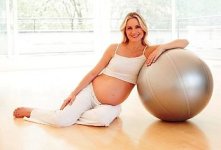
Pregnancy isn’t a time to challenge yourself, or to take on risky exercise routines. Follow these tips, and play it safe while exercising during your pregnancy.
Choose moderate exercise activities, such as walking, water aerobics, swimming, prenatal yoga, or stationary bike.
Stop exercising when you start feeling tired.
Never exercise to exhaustion.
Don’t allow your body to get overheated.
Drink plenty of water.
Clothing should be comfortable. Wear a supportive bra. Wear sturdy athletic shoes for good balance, and to protect your feet.
Heed the warnings of when to stop exercising: dizziness, shortness of breath, back pain, swelling or numbness, nausea, or an uneven, racing heart beat.
Irene Pastore is a native New Yorker, health and fitness blogger, and personal trainer. Irene owns this website, and writes all the blog posts. For her complete bio, visit the About Page.
A well-rounded prenatal exercise program includes aerobics, stretching, strengthening, and relaxation. Here is a quick list of 7 prenatal exercise benefits
Helps you and your baby gain the proper amounts of weight.
Reduces the discomforts of pregnancy, such as back aches, leg cramps, constipation, bloating, and swelling.
Lowers the risk of gestational diabetes (diabetes found for the first time when a woman is pregnant).
Boosts mood and energy level.
Improves sleep.
Helps with an easier, shorter labor.
Assists with faster recovery from delivery, and return to a healthy weight.
Irene Pastore is a native New Yorker, health and fitness blogger, and personal trainer. Irene owns this website, and writes all the blog posts. For her complete bio, visit the About Page.
Discuss with your doctor about how much weight you should gain during your pregnancy.
Nutrition
Eat foods rich in folate, iron, calcium, and protein. Consult with your physician about prenatal nutritional supplements.
Consume a healthy breakfast every day.
Consume foods high in fiber, and drink plenty of water to avoid constipation.
Eliminate empty calorie foods, and focus on nutritious eating.
Avoid alcohol, raw or undercooked fish, fish high in mercury, undercooked meat and poultry, and soft cheeses.
Physical Activity
Be physically active on most, or all, days of the week. If you have health concerns, talk to your physician before you begin.
Postnatal
After pregnancy, slowly get back to your routine of regular, moderate-intensity physical activity.
Return to a healthy weight slowly.
Information from the National Institutes of Health
Irene Pastore is a native New Yorker, health and fitness blogger, and personal trainer. Irene owns this website, and writes all the blog posts. For her complete bio, visit the About Page.
Barley: Barley is a hearty grain that compliments winter meals. Add to soups, and stews, or combine with sautéed onions and celery. Contains gluten.
Corn: Use cornmeal flour to bake delicious muffins, and breads. Corn flour is also used in making pasta. Contains a type of gluten different from that found in wheat.
Kamut: A firm-textured ancient wheat with a nutty, sweet and buttery flavor. Contains gluten.
Farro: An ancient Italian grain that may have sustained the Roman Legions.
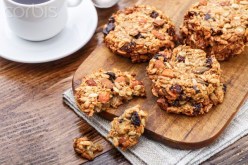
Oatmeal-Raisin Cookies
Farro is used in soups, salads, and desserts. Looks and tastes somewhat like brown rice, with a nutty taste. Farro is also known as Emmer. Contains gluten.
Millet: A tiny grain, that looks like a seed. Use it like rice as a side dish, or in a casserole. Gluten-free.
Oats: A sweet-flavored grain commonly used in preparing warm cereal, and cookies. Oats contain avenin, a protein that may trigger a reaction in celiacs.
Rice: Varieties include Brown, White, Short and Long Grain. Sticky White Rice is used in preparing sushi rolls. White and Brown Basmati is another variety with a rich nutty flavor. Gluten-free.
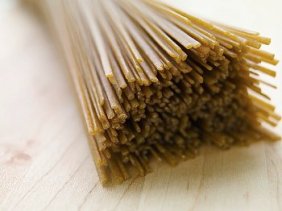
Whole Wheat Linguine
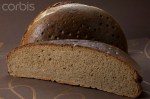
Rye: Rye is a member of the wheat family, and is used in bread making, and Scandinavian crispbreads, and crackers. Contains gluten.
Spelt: An ancient variety of wheat. Spelt produces baked goods lighter in texture and easier to digest than standard wheat. Contains gluten.
Triticale: This grain is a hybrid of rye and wheat. Triticale flour is used to bake muffins, breads, cakes, and crispbreads. Contains gluten.
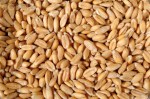
Wheat: The most widely known grain used in baking breads, cookies, cakes, noodles, pasta, and pies. Contains gluten.
SEEDS
The seeds on this list are used the same way as grains. Common uses are breakfast cereals, side dishes, and casseroles. Seeds are available as flour for baking. If you’re wheat intolerant, try using seeds. They’re lighter than wheat, and have their own unique taste.
Amaranth: A very tiny seed used in making breakfast cereal, added to soups and stews. Gluten-free.
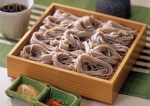
Buckwheat: Buy Toasted Buckwheat, or Raw. Use in soups, or as a side dish. Whole Buckwheat flour makes great pancakes. If you don’t mind the dark brown color, buckwheat can be used to make cookies, and sweet breads. Gluten-free.
Quinoa: A small seed, that comes in white, black or red. Add fruit and nuts to Quinoa to make a tasty breakfast porridge Trader Joe’s sells their own brand of penne and fusilli pasta made from Quinoa and Rice. Gluten-free.
Teff: Teff is an ancient seed, cultivated for thousands of years in Abyssinia. Teff seeds are about the same size as a poppy-seed. Teff comes in white, red and dark brown. Teff flour is used to bake breads, and pie crust. The seeds can be steamed, boiled, and baked. Gluten-free.
GRAIN & SEED GALLERY
SPELT GRAINS
RYE BREAD
BROWN RICE GRAINS
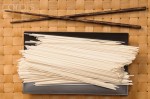
RICE NOODLES
WHOLE WHEAT BREAD
WHEAT GRAINS
MILLET GRAINS
Raw buckwheat seeds
BUCKWHEAT NOODLES
Irene Pastore is a native New Yorker, health and fitness blogger, and personal trainer. Irene owns this website, and writes all the blog posts. For her complete bio, visit the About Page.
Fat Acceptance is a social movement, that promotes changing cultural attitudes, towards overweight and obese people.
Other names for fat acceptance is fat liberation, fat power, big is beautiful, and health at every size.
Advocates of fat acceptance want to change the collective bias about overweight people. They believe that health is independent of body weight.
In February 2016, fashion model, Cheryl Tiegs was criticized, and subsequently apologized, for her comments about Sports Illustrated full-figure cover model Ashley Graham, who at 5’9″, weighs 182 pounds.
Tiegs quoted Dr. Oz, that being over-sized isn’t healthy in the long run.
Fat Acceptance Is Medically Unsound
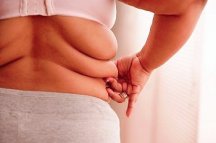
The outcomes of excess fat aren’t glamorous. Medical studies have shown that overweight and obesity are risk factors for chronic, and sometimes life-threatening diseases such as:
Cancer
Diabetes
Heart disease
Osteoarthritis
Osteoarthritis and Obesity
Excess weight causes a break down in joint cartilage, causing pain, swelling, and problems moving the joint. Cartilage provides cushioning between the bones. In osteoarthritis, bone rubs against bone, creating joint damage and more pain.
Eventually a doctor will give an obese patient bad news about the effects of carrying around excess weight. An overweight person can expect any or all of the following conditions:
A knee or hip replacement
Ruptured spinal discs
Pain medication
Decline in quality of life
Loss of balance
Back ache
Facts About Obesity and Arthritis
Being only 10 pounds overweight increases the force on the knee by 30-60 pounds with each step.
Overweight women have nearly 4 times the risk of knee osteoarthritis. For overweight men, the risk is 5 times greater.
Even small amounts of weight loss reduces the risk of developing knee osteoarthritis.
A person who is 100 pounds overweight, puts 400 extra pounds of pressure on their knees.
The more weight on your joints, the greater the chances of cartilage breakdown, and premature damage to the knees, hips and lumbar spine.
Irene Pastore is a native New Yorker, health and fitness blogger, and personal trainer. Irene owns this website, and writes all the blog posts. For her complete bio, visit the About Page.
2 Cups Cooked, Drained Garbanzo Beans
2 Cups Cherry Tomatoes. Rinsed and Cut In Half
1 Tablespoon Olive Oil
1 Teaspoon Balsamic Vinegar
2 Tablespoons Fresh Minced Oregano (or 1 Teaspoon Dried)
1/8 Teaspoon Ground Black Pepper
½ Teaspoon Italian Seasoning
Alfalfa Sprouts or Romaine Lettuce
Instructions
In a large salad bowl, combine beans and tomatoes.
In a small bowl, combine olive oil, vinegar, oregano,
pepper, and Italian seasoning.
Beat the ingredients until the oil and vinegar no longer separate, and the mixture is well-blended and thick.
Pour the dressing over the beans and tomatoes, and
mix gently to coat.
Line salad bowls with Alfalfa Sprouts, or Romaine Lettuce. Top with bean mixture, and serve.
Buon Appetito!
Irene Pastore is a native New Yorker, health and fitness blogger, and personal trainer. Irene owns this website, and writes all the blog posts. For her complete bio, visit the About Page.

 exercise routines. Follow these tips, and play it safe while exercising during your pregnancy.
 Irene Pastore is a native New Yorker, health and fitness blogger, and personal trainer. Irene owns this website, and writes all the blog posts. For her complete bio, visit the About Page.
 aerobics, stretching, strengthening, and relaxation. Here is a quick list of 7 prenatal exercise benefits





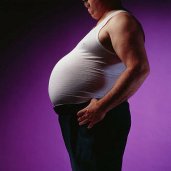 The outcomes of excess fat aren’t glamorous. Medical studies have shown that overweight and obesity are risk factors for chronic, and sometimes life-threatening diseases such as:
 pain, swelling, and problems moving the joint. Cartilage provides cushioning between the bones. In osteoarthritis, bone rubs against bone, creating joint damage and more pain.

 Irene Pastore Fitness.com