Dietary Prevention of Osteoporosis


What Is Osteoporosis

Normal and Osteoporotic Bones

Osteoporosis is a bone disease characterized by decreased bone mineral density and mass. As the disease progresses bones become weak and brittle leading to increased risk of fractures.

Symptoms of Osteoporosis

Osteoporosis is called the ‘silent disease’ since there are no symptoms until fractures start to occur. As the disease progresses symptoms may include back pain, loss of height, a stooped posture, and bone that breaks more easily than expected.

Dietary Prevention of Osteoporosis

Build strong bones by eating a diet rich in calcium. 98 percent of bodily calcium is stored in your bones. Men and women between the ages of 18 and 50 need 1,000 milligrams of calcium a day. This daily amount increases to 1,200 milligrams when women turn 50 and men turn 70.

Sources of Dietary Calcium

  • Kale
  • Yogurt
  • Bok Choy
  • Kefir
  • Broccoli
  • Canned Seafood: Sardines, Anchovies and Salmon
  • Hard Cheese: Parmesan, Romano
  • Turnip Greens
  • Cottage Cheese
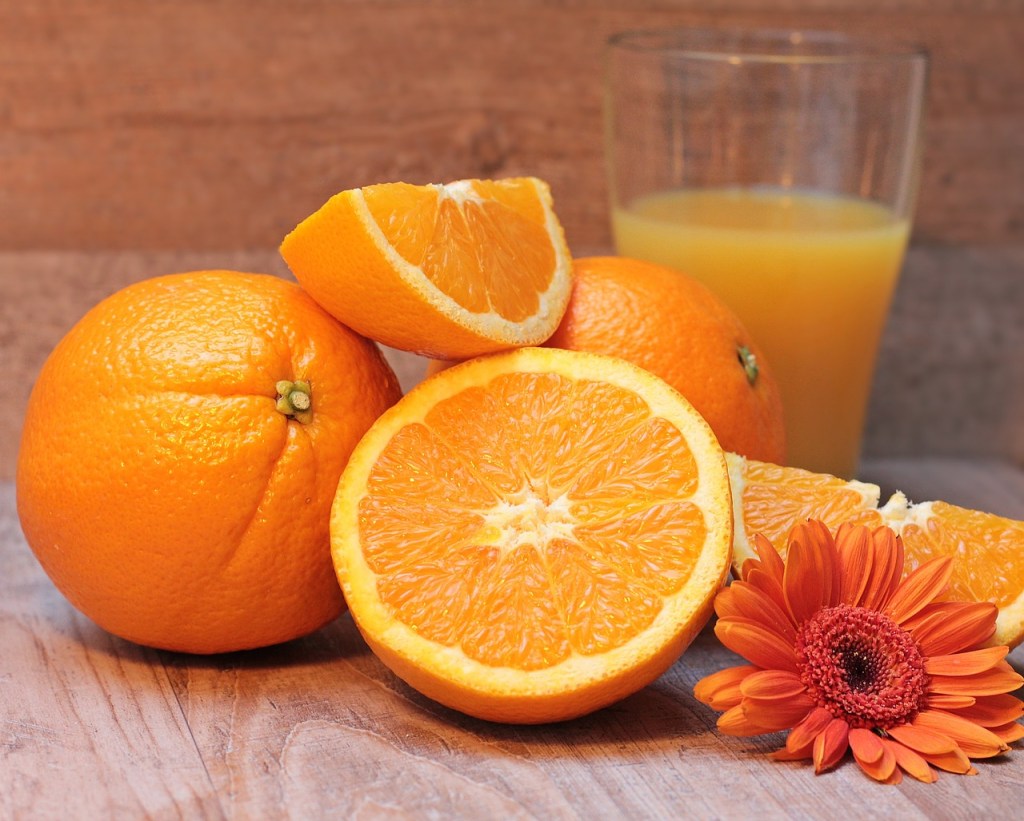
  • Oranges and Orange Juice
  • Collard Greens
  • Almonds
  • Tofu
  • Almond Milk
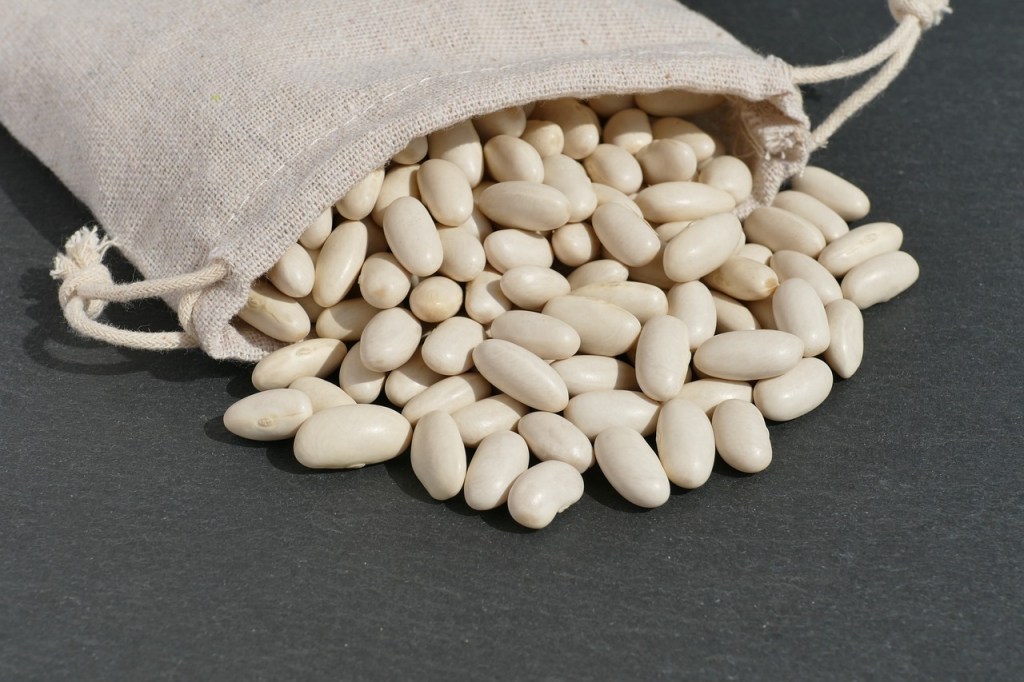
  • Great Northern Beans
  • Ricotta Cheese
  • Rhubarb
  • Figs
  • Soy Milk
  • Black Beans
  • Butternut Squash
  • Okra
  • Chickpeas
  • Unsweetened Rice Milk
  • Amaranth
  • Edamame
  • Powdered Milk

Understanding Methotrexate: Risks and Side Effects


Methotrexate is a prescription medication used to treat cancer, rheumatoid arthritis, and psoriasis. It can cause non threatening as well as life-threatening side effects. Contact your doctor when experiencing medication side effects.

Methotrexate has several brand names: Rheumatrex, Trexall, Xatmep, Jylamvo, Otrexup, and RediTrex.

Methotrexate Side Effects

  • Mouth sores
  • Nausea
  • Fever
  • Dizziness
  • Stomach pain
  • Tiredness
  • Chills
  • Infection
  • Fever
  • Cough
  • Sore throat
  • Wounds that don’t heal
  • Bleeding
  • Liver, kidney or bone marrow damage
  • Allergic reactions
  • Blood clots
  • Shortness of breath
  • Chest pain
  • Dry cough, shortness of breath or trouble breathing
  • Low red blood cell count
  • Weakness, fatigue, dizziness, headache
  • Seizures
  • Unusual bruising or bleeding
  • Diarrhea
  • Hair Loss
  • Pain, redness or swelling with mouth or throat sores
  • Vomiting

Low Back Pain After 50: Sleeping Face Down


Low Back Pain Series: Causes, Prevention and Remedies

Sleeping In A Face Down Position and Low Back Pain

Aging may lead to spinal problems. We spend several hours per day sleeping. Take the best care of your spine by sleeping in a healthy position.

Sleeping prone, also called face down or stomach sleeping, increases pressure on the spine which may lead to low back pain when you get up in the morning. Health professionals consider prone sleeping the least healthy position for sleep.

Remedy

The best way to avoid low back pain is to sleep on your side with your knees bent. Using a pillow between your knees is also helpful to reduce pressure on the spine. Sleeping on your back is also beneficial.

The Body Pillow

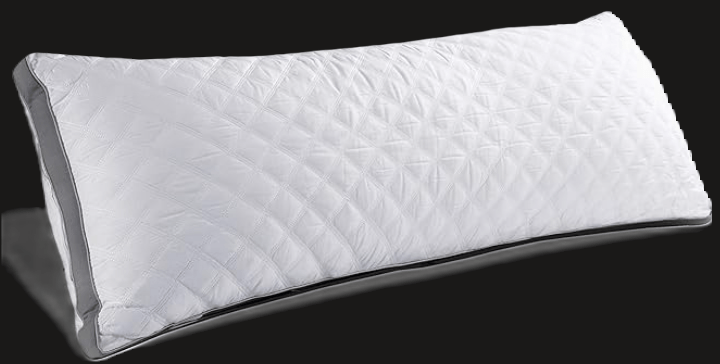
If you’re accustomed to prone sleeping and find it difficult to change to a side sleeping position, try using a Body Pillow. They’re available in various lengths starting at 50 up to 72 inches. Body Pillows help to support the spine and provide relief from low back pain.


Related posts Low Back Pain After 50 and How To Fix It, Strengthen Your Core To Alleviate Low Back Pain , Post Activity Muscle Strain, The Impact of Prolonged Sitting

Tomorrow’s post will cover the effect of your mattress on your low back.

Need Help? Contact Irene Pastore To Start Your After 50 Fitness Journey. Fill Out The Contact Form.