
Virtual Fitness: How To Do Dumbbell Reverse Lunge
October 7, 2021
Walking Dumbbell Lunge
Irene Pastore is a native New Yorker, health and fitness blogger, and personal trainer. She owns this website, and authors each blog post. To read her complete bio, visit the About Page.
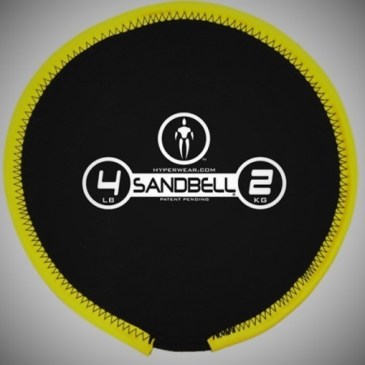

EQUIPMENT TYPE: Sandbells are sandbags with a built-in handle that enables the user to use a firm grip. Sandbells range in weight from 2 lbs. up to 50 lbs.
HOW TO USE SANDBELLS: Use a Sandbell the same way you would use other free weights. You can perform similar exercises as with a dumbbell, kettlebell or medicine ball. Sandbells are very safe.
WORKOUT: The Sandbell is harder to control than a medicine ball, because of its unpredictable movement, making it a good choice for core workouts. It also challenges grip strength.
PORTABILITY: Because it’s bulky, and unwieldly, the Sandbell isn’t something you can throw in your pocket, carry bag, or suitcase.
DURABILITY: If the bag gets damaged, sand leaks out. There are pros and cons to every type of equipment. Eventually everything you use, will wear out, and will have to be replaced.
COST: Sandbells cost between $12.00 up to $100.00 or more, depending on size and quality.
Irene Pastore, is a Certified Personal Trainer, fitness blogger, health educator, and speaker. She has 23 years experience teaching exercise in New York City. To read her complete bio, visit the About Page.
MODIFIED PUSH-UP
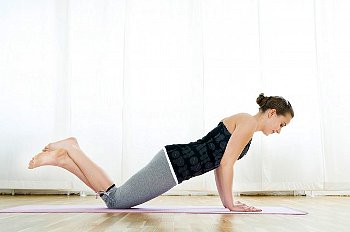
Level: Beginner to Intermediate
Equipment: Exercise Mat, Towel, (optional)
Muscles Worked: Chest, Arms, Shoulders
How to Perform the Modified Push-Up
Start Position: Get onto hands and knees with your wrists aligned under shoulders. Cross your ankles.
Finish Position: Bend elbows and slowly lower your upper body toward the mat, until your elbows form right angles with your shoulders. Return to start position. Repeat for 10-12 repetitions.
Modification: Place a folded towel under your knees for extra cushion.
Caution: Do not exceed your level of strength. Pushing your body weight up is harder than lowering yourself down. The stronger you are, the lower you can go. Play it safe to avoid injury.
The actual number of repetitions is based on your strength. If you can’t do 10 or 12 repetitions, do only what you can. As you gain strength, you’ll be able to take on more.
Copyright 2013 Irene Pastore and Blue Moon Personal Training
THE LAT PULLDOWN

Type: Strength Training Exercise
Equipment: Lat Pulldown Pulley Machine
Correct Form

Cautions
The exercise described in this post is informational, and not meant to replace the guidance of a personal trainer in a live setting. Exercises performed incorrectly may result in injury.
Copyright 2013 Irene Pastore and Blue Moon Personal Training
 Irene Pastore Fitness.com