Low Back Pain After 50: Essential Tips for Safe Lifting and Back Health


Improper Lifting and Low Back Pain

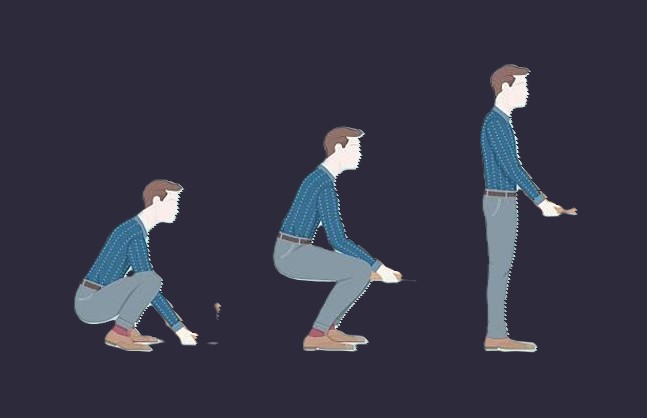
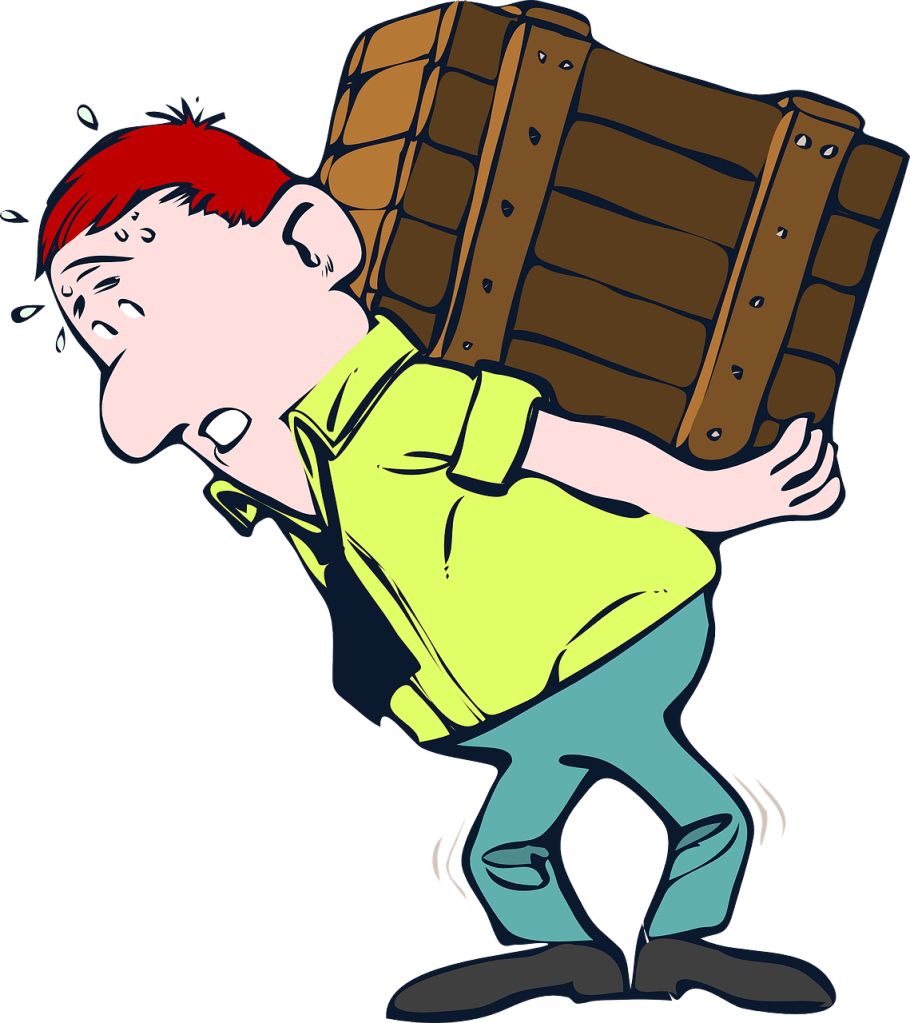
Muscle strains and low back disc herniation can occur from improper postural lifting techniques or lifting a load that is too heavy. Learn the correct ways to lift in order to protect your low back from pain and injury.

Ergonomics – Proper Lifting Techniques Guide

Use this illustrated guide from Pennsylvania State University to prevent back and lifting-related injuries. These guidelines should be used when lifting or moving any loads, both at work and at home. Click here to read the Guide.

Back Health Guide

An illustrated guide from the National Institutes of Health. This guide will help you to prevent back injury by understanding Good Posture and Lifting With Proper Posture. Click here to read the Guide.


Related posts Low Back Pain After 50 and How To Fix It, Strengthen Your Core To Alleviate Low Back Pain, Post Activity Muscle Strain, Low Back Pain After 50: Why Your Mattress Matters, Sedentary Lifestyle and Low Back Ache

Sedentary Lifestyle: A Major Cause of Low Back Pain


Sedentary Lifestyle and Low Back Ache

A person is considered sedentary if they’re getting little or no physical activity and spend most of their day sitting for long periods of time.

A sedentary lifestyle is a risk factor for cancer, diabetes , obesity, high blood pressure, high blood sugar, and cardiovascular disease.

How Does Sedentary Living Cause Low Back Pain

Lack of exercise can cause weight gain, which in turn increases pressure on the low back. Prolonged periods of sitting also increases pressure on the discs of the lower spine. Both conditions increase your chances of developing chronic low back pain .

How To Remedy Sedentary Living

  • Begin a low impact exercise program such as walking, swimming, or stationary bike.
  • Stretch everyday
  • Start a weight management program
  • Improve your sitting and standing posture

Related posts Low Back Pain After 50 and How To Fix It, Strengthen Your Core To Alleviate Low Back Pain, Post Activity Muscle Strain, Low Back Pain After 50: Why Your Mattress Matters

Low Back Pain After 50: Excess Weight and Osteoarthritis


Low Back Pain Series: Causes, Prevention and Remedies

Excess Weight and Low Back Ache

Being overweight puts excess pressure and strain on the lumbar spine, your hips and knees.

The more weight you carry the greater the chances of developing low back pain. Carrying too much weight wears down cartilage in the lower spine, knees and hips. Osteoarthritis occurs when joint cartilage deteriorates. It is a gradual painful condition.

Remedy

If low back pain or stiffness doesn’t go away, the best bet is to see your doctor to get a proper medical diagnosis.

Unfortunately osteoarthritis cannot be reversed. Your doctor can help you manage symptoms and possibly slow the progression. If you’re overweight, a program of weight management will most likely be prescribed. Reducing joint stress may reduce pain, prevent more injury and improve mobility.

Symptoms of Osteoarthritis

  • Stiffness
  • Loss of flexibility
  • Low back pain
  • A grinding sensation during movement
  • Low back tenderness
  • Low back swelling

Related posts Low Back Pain After 50 and How To Fix It, Strengthen Your Core To Alleviate Low Back Pain, Post Activity Muscle Strain, Low Back Pain After 50: Why Your Mattress Matters

Need Help? Contact Irene Pastore To Start Your After 50 Fitness Journey. Fill Out The Contact Form.

Fat Acceptance and Arthritis

What Is Fat Acceptance?
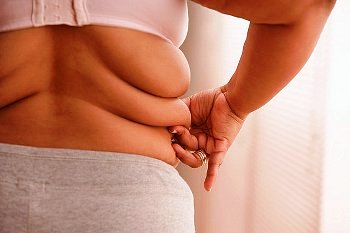
Fat Acceptance is a social movement, that promotes changing cultural attitudes, towards overweight and obese people.

Other names for fat acceptance is fat liberation, fat power, big is beautiful, and health at every size.

Advocates of fat acceptance want to change the collective bias about overweight people.  They believe that health is independent of body weight.

In February 2016, fashion model, Cheryl Tiegs was criticized, and subsequently apologized,  for her comments about Sports Illustrated full-figure cover model Ashley Graham, who at 5’9″, weighs 182 pounds.

Tiegs quoted Dr. Oz, that being over-sized isn’t healthy in the long run.

Fat Acceptance Is Medically Unsound

The outcomes of excess fat aren’t glamorous.  Medical studies have shown that overweight and obesity are risk factors for chronic, and sometimes life-threatening diseases such as:

  • Cancer
  • Diabetes
  • Heart disease
  • Osteoarthritis

Osteoarthritis and Obesity

Excess weight causes a break down in joint cartilage, causing pain, swelling, and problems moving the joint.  Cartilage provides cushioning between the bones. In osteoarthritis, bone rubs against bone, creating joint damage and more pain.

Eventually a doctor will give an obese patient bad news about the effects of carrying around excess weight.  An overweight person can expect any or all of the following conditions:

  • A knee or hip replacement
  • Ruptured spinal discs
  • Pain medication
  • Decline in quality of life
  • Loss of balance
  • Back ache

Facts About Obesity and Arthritis

  • Being only 10 pounds overweight increases the force on the knee by 30-60 pounds with each step.
  • Overweight women have nearly 4 times the risk of knee osteoarthritis.  For overweight men, the risk is 5 times greater.
  • Even small amounts of weight loss reduces the risk of developing knee osteoarthritis.
  • A person who is 100 pounds overweight, puts 400 extra pounds of pressure on their knees.
  • The more weight on your joints, the greater the chances of cartilage breakdown, and premature damage to the knees, hips and lumbar spine.

Irene Pastore is a native New Yorker, health and fitness blogger, and personal trainer. Irene owns this website, and writes all the blog posts. For her complete bio, visit the About Page.

Copyright 2016 Irene Pastore and Tour De Core.com