Sedentary Lifestyle: A Major Cause of Low Back Pain


Sedentary Lifestyle and Low Back Ache

A person is considered sedentary if they’re getting little or no physical activity and spend most of their day sitting for long periods of time.

A sedentary lifestyle is a risk factor for cancer, diabetes , obesity, high blood pressure, high blood sugar, and cardiovascular disease.

How Does Sedentary Living Cause Low Back Pain

Lack of exercise can cause weight gain, which in turn increases pressure on the low back. Prolonged periods of sitting also increases pressure on the discs of the lower spine. Both conditions increase your chances of developing chronic low back pain .

How To Remedy Sedentary Living

  • Begin a low impact exercise program such as walking, swimming, or stationary bike.
  • Stretch everyday
  • Start a weight management program
  • Improve your sitting and standing posture

Related posts Low Back Pain After 50 and How To Fix It, Strengthen Your Core To Alleviate Low Back Pain, Post Activity Muscle Strain, Low Back Pain After 50: Why Your Mattress Matters

Low Back Pain After 50: Excess Weight and Osteoarthritis


Low Back Pain Series: Causes, Prevention and Remedies

Excess Weight and Low Back Ache

Being overweight puts excess pressure and strain on the lumbar spine, your hips and knees.

The more weight you carry the greater the chances of developing low back pain. Carrying too much weight wears down cartilage in the lower spine, knees and hips. Osteoarthritis occurs when joint cartilage deteriorates. It is a gradual painful condition.

Remedy

If low back pain or stiffness doesn’t go away, the best bet is to see your doctor to get a proper medical diagnosis.

Unfortunately osteoarthritis cannot be reversed. Your doctor can help you manage symptoms and possibly slow the progression. If you’re overweight, a program of weight management will most likely be prescribed. Reducing joint stress may reduce pain, prevent more injury and improve mobility.

Symptoms of Osteoarthritis

  • Stiffness
  • Loss of flexibility
  • Low back pain
  • A grinding sensation during movement
  • Low back tenderness
  • Low back swelling

Related posts Low Back Pain After 50 and How To Fix It, Strengthen Your Core To Alleviate Low Back Pain, Post Activity Muscle Strain, Low Back Pain After 50: Why Your Mattress Matters

Need Help? Contact Irene Pastore To Start Your After 50 Fitness Journey. Fill Out The Contact Form.

Low Back Pain After 50: Why Your Mattress Matters


Low Back Pain Series: Causes, Prevention and Remedies

Mattress Quality and Sleep

Low back pain becomes more common as you get older. Middle age onset of low back pain occurs between the ages of 40 to 65. Chronic pain can lead to loss of mobility and quality of life.

Morning low back pain may be the result of mattress quality. If you’re sleeping on a mattress that’s too soft, your spine isn’t getting the support it needs.

Poor sleep affects your mood while low back pain affects your ability to participate in the activities of daily living . ACLs include work, family, social activities and recreation.

Is Your Mattress Too Hard or Too Soft?

Too soft or too hard mattresses may cause back discomfort. How can you tell?

  • You wake up stiff or sore
  • The longer you rest, the more pain you have
  • You can’t get comfortable
  • You’re experiencing poor sleep

There are mattresses designed for low back pain. Choosing the right mattress is important for a good night’s sleep and to avoid back pain. Click the link below to read about choosing a mattress.

How To Choose A Mattress: Finding Your Perfect Match from the SleepFoundation.org


Related posts Low Back Pain After 50 and How To Fix It, Strengthen Your Core To Alleviate Low Back Pain, Post Activity Muscle Strain, The Impact of Prolonged Sitting

Need Help? Contact Irene Pastore To Start Your After 50 Fitness Journey. Fill Out The Contact Form.

How Seniors Can Monitor Heart Rate Effectively


Seniors can improve their heart health by learning how to monitor their heart rate during exercise. There are several ways that ensure you’re within your target training zone. Two easy methods are discussed in this post. Click the links below this article for more information on this subject.

Rating of Perceived Exertion

Use the Rate of Perceived Exertion Chart to determine how hard your heart is working during exercise. RPE measures your exertion on a scale from 1 to 10 based on how you feel. It is often used in combination with wearable heart rate trackers. By using RPE you are self-monitoring the level of difficulty of your exercise.

The Talk Test

The Talk Test Is an aerobic test that measures your ability to talk during physical activity at various levels of intensity. Intensity refers to the level of difficulty. There are three levels of intensity during the Talk Test: Low, Moderate and High. These levels correspond to the RPE as Low 3-4, Moderate 5-6, and High 8-9.


Related Posts

Understanding Your Heart Rate For Safe and Effective Exercise


Tracking your heart rate during exercise prevents you from overworking your heart. Your doctor may have recommended a training range for your heart based on your age and health.

In today’s post you’ll learn how to how to calculate your Maximum Heart Rate (MHR) and how to use it to determine how hard you’re working during exercise.

This concept is referred to as exercise intensity. In general, the higher the heart rate during exercise, the higher the exercise intensity. There are three levels of cardio exercise intensity: Low, Moderate and Vigorous.

Maximum Heart Rate Formula

The Maximum Heart Rate Formula is 220 – Your Age. If your age is 65, your Maximum Heart Rate (MHR) is 155. If your age is 55, your MHR is 165.

Exercise Intensity Levels

  • Low Intensity is 40% to 50% of your MHR
  • Moderate Intensity is 50% to 70% of your MHR
  • Vigorous Intensity is 70% to 85% of your MHR

The Karvonen Formula

The Karvonen formula is a simple formula that is used to calculate your Target Heart Rate (THR) during exercise. The THR is a percentage of your Maximum Heart Rate.

  • Maximum Heart Rate (MHR) is 220 – Your Age
  • Resting Heart Rate (RHR) is your heart rate at rest
  • Heart Rate Reserve (HRR) is your MHR – RHR
  • Karvonen Formula is your HRR x Training % + RHR

Example of a 65 year old with a Resting Heart Rate of 72 and a Maximum Heart Rate of 155. The Training Heart Rate Zone for this individual is 113 to 142 Beats Per Minute (BPM).

MHR = 155

RHR = 72

HRR = 83

83 x 50% + 72 = 113 Beats Per Minute (BPM)

83 x .85% + 72 = 142 BPM

How To Monitor Your Heart Training Zone During Exercise

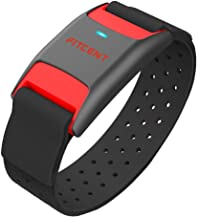
The easiest method to monitor your heart rate during exercise is to wear a heart rate monitor either on your wrist or around your chest. The wearable electronic device alerts you when you’re moving outside your Training Zone. This is a more convenient method of tracking your heart rate.

Monday’s post will discuss the RPE Method of monitoring exercise intensity.


Related Post

Learn How To Measure Your Resting Heart Rate and Why It Matters


According to the American Heart Association, the health benefits of regular cardio exercise include lower risk of heart disease, stroke, Type 2 Diabetes, high blood pressure, dementia, Alzheimer’s and several types of cancers.

Why It’s Important To Know Your Resting Heart Rate

Your Resting Heart Rate (RHR) is the baseline from which you’ll determine how hard your heart is working during cardio exercise and whether you’re within a safe exercise zone. Learning how to take your pulse to measure your Resting Heart Rate (RHR) is very easy.

What is A Resting Heart Rate

Your Resting Heart Rate (RHR) is the number of times your heart beats per minute when you’re at rest. A good time to check your RHR is in the morning before you get out of bed.

How To Check Your Resting Heart Rate

Have the palm of one hand face upward. Take your other hand and place three middle fingers on your wrist on the inside groove below the base of the thumb. Press lightly to feel the pulse under your fingers.

Using the second hand on a watch or clock, count the number of times your heart beats in 30 seconds. Multiply the number of beats by 2. For example, if your heart beats 40 times in 30 seconds, multiplied by 2 will equal 80 beats per minute (bpm). 80 bpm is your Resting Heart Rate (RHR).

According to the American Heart Association a normal Resting Heart Rate for most adults is between 60 to 100 beats per minute.


Related Post