Discuss with your doctor about how much weight you should gain during your pregnancy.
Nutrition
Eat foods rich in folate, iron, calcium, and protein. Consult with your physician about prenatal nutritional supplements.
Consume a healthy breakfast every day.
Consume foods high in fiber, and drink plenty of water to avoid constipation.
Eliminate empty calorie foods, and focus on nutritious eating.
Avoid alcohol, raw or undercooked fish, fish high in mercury, undercooked meat and poultry, and soft cheeses.
Physical Activity
Be physically active on most, or all, days of the week. If you have health concerns, talk to your physician before you begin.
Postnatal
After pregnancy, slowly get back to your routine of regular, moderate-intensity physical activity.
Return to a healthy weight slowly.
Information from the National Institutes of Health
Irene Pastore is a native New Yorker, health and fitness blogger, and personal trainer. Irene owns this website, and writes all the blog posts. For her complete bio, visit the About Page.
Fat Acceptance is a social movement, that promotes changing cultural attitudes, towards overweight and obese people.
Other names for fat acceptance is fat liberation, fat power, big is beautiful, and health at every size.
Advocates of fat acceptance want to change the collective bias about overweight people. They believe that health is independent of body weight.
In February 2016, fashion model, Cheryl Tiegs was criticized, and subsequently apologized, for her comments about Sports Illustrated full-figure cover model Ashley Graham, who at 5’9″, weighs 182 pounds.
Tiegs quoted Dr. Oz, that being over-sized isn’t healthy in the long run.
Fat Acceptance Is Medically Unsound
The outcomes of excess fat aren’t glamorous. Medical studies have shown that overweight and obesity are risk factors for chronic, and sometimes life-threatening diseases such as:
Cancer
Diabetes
Heart disease
Osteoarthritis
Osteoarthritis and Obesity
Excess weight causes a break down in joint cartilage, causing pain, swelling, and problems moving the joint. Cartilage provides cushioning between the bones. In osteoarthritis, bone rubs against bone, creating joint damage and more pain.
Eventually a doctor will give an obese patient bad news about the effects of carrying around excess weight. An overweight person can expect any or all of the following conditions:
A knee or hip replacement
Ruptured spinal discs
Pain medication
Decline in quality of life
Loss of balance
Back ache
Facts About Obesity and Arthritis
Being only 10 pounds overweight increases the force on the knee by 30-60 pounds with each step.
Overweight women have nearly 4 times the risk of knee osteoarthritis. For overweight men, the risk is 5 times greater.
Even small amounts of weight loss reduces the risk of developing knee osteoarthritis.
A person who is 100 pounds overweight, puts 400 extra pounds of pressure on their knees.
The more weight on your joints, the greater the chances of cartilage breakdown, and premature damage to the knees, hips and lumbar spine.
Irene Pastore is a native New Yorker, health and fitness blogger, and personal trainer. Irene owns this website, and writes all the blog posts. For her complete bio, visit the About Page.
Irene Pastore is a native New Yorker, health and fitness blogger, and personal trainer. Irene owns this website, and writes all the blog posts. For her complete bio, visit the About Page.
Austin Shifflett, a 22-year-old man from Charlottesville, Virginia, lost 166 pounds, by changing his diet, and starting an exercise program. While he found comfort in eating junk food, his weight ballooned up to 324 pounds.
AFTER
He became tired of being bullied about his appearance and decided to take action. His weight loss method was the Atkins Diet, a low carb, high protein regimen. Through diligence, he made a miraculous transition, and now weighs in at 158 pounds.
Irene Pastore is a native New Yorker, health and fitness blogger, and personal trainer. Irene owns this website, and writes all the blog posts. For her complete bio, visit the About Page.
Irene Pastore is a native New Yorker, health and fitness blogger, and personal trainer. Irene owns this website, and writes all the blog posts. For her complete bio, visit the About Page.
Walking is the most accessible heart-healthy exercise. It strengthens the heart muscle, lungs, legs, thighs, and makes you think. Consider walking in a local park for your next walk, instead of a motorized treadmill.
Central Park in New York City
Two advantages of indoor treadmill walking is that it offers a bad-weather alternative so you don’t skip workouts. Secondly, treadmills are easy to use.
Outdoor walks offer a more interesting trek, than plodding away on a treadmill. You’re getting fresh air, you’re out in nature, the scenery is engaging, friends can join you, and you can make it a day-long activity, or even a week-long vacation.
If you’re planning to become a day hiker, or serious backpacker, park walking is a good place to begin learning how to handle outdoor terrain, and to test your navigation skills.
FITNESS WALKING
When you walk for fitness on an indoor treadmill, you have total control. At the push of a button, you’re instantly climbing a hill. Outdoors, you have to select your path, and plan ahead.
PLAN THE TERRAIN
American parks are small and local, or national, and span hundreds of miles. The terrain determines the level of difficulty. National Parks offer a variety of graded trail hikes, from novice to advanced. Local parks are easier to navigate, and are a very good place to begin learning how to walk outdoors.
Flat Terrainrequires the easiest cardio effort.
Low Up Hill Terrain requires moderate cardio effort.
Steep Up HillTerrainrequires the toughest cardio effort. What goes up, must come down. In many instances, a steep uphill might be more difficult on the way down.
Walking Pace refers to how fast you’re moving. Another word for pace, is speed. A slower pace is easier than a brisk pace. For cardio training you’ll want to use a brisk pace. Beginners should start with a slow to moderate pace, on flat terrain, and gradually work up to a more heart-challenging speed.
Dirt Roads, Forested, and Rocky areas will give you footing experience, and teach you how your walking shoes are performing.
Weather Conditions are crucial when walking outdoors. Know in advance, and plan ahead. If you’re walking in a local park, it’s easier to leave and run for cover, when the weather turns bad. If you’re in a national park, you have to know what you’re doing. At that level, mistakes can be fatal.
MAKE IT A DAY
Novices should use flat or moderate terrain. Try walking around a pond, or lake. Don’t walk alone. Go with a relative or friend. Bring a lunch, water and snacks. Monitor your heart rate, and don’t overdo it. Local nature conservancy walks offer plenty of interesting scenery for beginners.
BREATHTAKING SCENERY – SPECTACULAR VIEWS
National Parks are breathtaking, and spectacular, especially those that are located in western United Stated. Novices attempting hiking in national parks, should opt for the easier trails.
The National Parks in these photographs, are in Washington State, Maine, Wyoming, and Utah. Central Park is New York City’s premier local park. It covers 843 acres of land.
Mt. Rainier National Park
Acadia National Park
Double Arches National Park
Grand Teton National Park
Grand Teton National Park
Grand Teton National Park
Central Park NYC
Central Park NYC
Irene Pastore is a native New Yorker, health and fitness blogger, and personal trainer. Irene owns this website, and writes all the blog posts. For her complete bio, visit the About Page.


 Irene Pastore is a native New Yorker, health and fitness blogger, and personal trainer. Irene owns this website, and writes all the blog posts. For her complete bio, visit the About Page.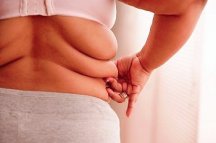

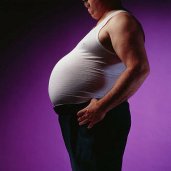 The outcomes of excess fat aren’t glamorous. Medical studies have shown that overweight and obesity are risk factors for chronic, and sometimes life-threatening diseases such as:
 pain, swelling, and problems moving the joint. Cartilage provides cushioning between the bones. In osteoarthritis, bone rubs against bone, creating joint damage and more pain.


 Irene Pastore Fitness.com