Research suggests a connection between oral bacteria and Alzheimer’s disease, raising concerns for those with poor dental health. With nearly 700 species of bacteria in our mouths, experts say maintaining good oral hygiene could benefit both heart and brain health. Dr. Celine Gounder, CBS News medical contributor explains what this means.
Bad backs, elbow pain, and creaky knees so common in older people often aren’t just “old age.” In fact, the source of this stiffness plagues many young people as well. The culprit is arthritis: a condition that affects over 90 million people in the U.S. alone. What makes arthritis so pervasive, and why haven’t we found a cure for it? Kaitlyn Sadtler and Heather J. Faust investigate.
Osteoporosis is a bone disease characterized by decreased bone mineral density and mass. As the disease progresses bones become weak and brittle leading to increased risk of fractures.
Symptoms of Osteoporosis
Osteoporosis is called the ‘silent disease’ since there are no symptoms until fractures start to occur. As the disease progresses symptoms may include back pain, loss of height, a stooped posture, and bone that breaks more easily than expected.
Dietary Prevention of Osteoporosis
Build strong bones by eating a diet rich in calcium. 98 percent of bodily calcium is stored in your bones. Men and women between the ages of 18 and 50 need 1,000 milligrams of calcium a day. This daily amount increases to 1,200 milligrams when women turn 50 and men turn 70.
Healthy bone is neither dry or brittle. Bone is living tissue alive with cells and flowing body fluids. Bone loss occurs in men and women as they age. Medications and lifestyle factors also contribute to bone loss.
Symptoms and Conditions of Poor Bone Health
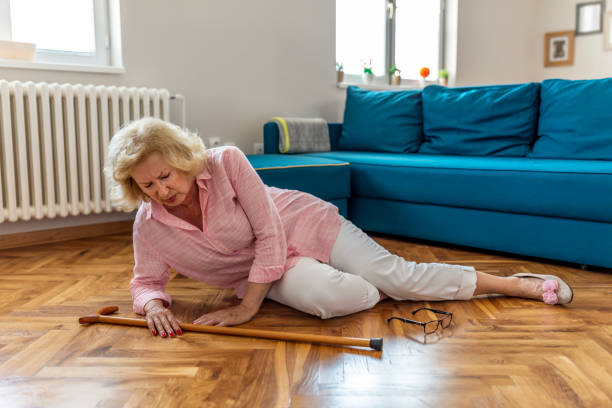
Falling
Fractures of the spine, hip or wrist
Osteoporosis
How To Keep Your Bones Healthy
Do regular weight bearing exercise such as strength training, walking and stair climbing.
Consume calcium and vitamin D rich food such as dairy, salmon, sardines and tuna.
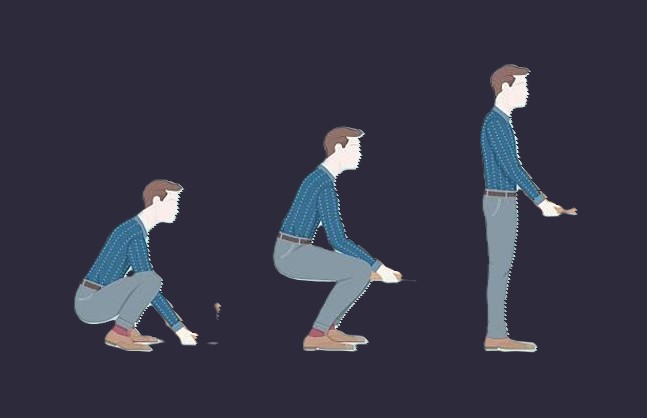
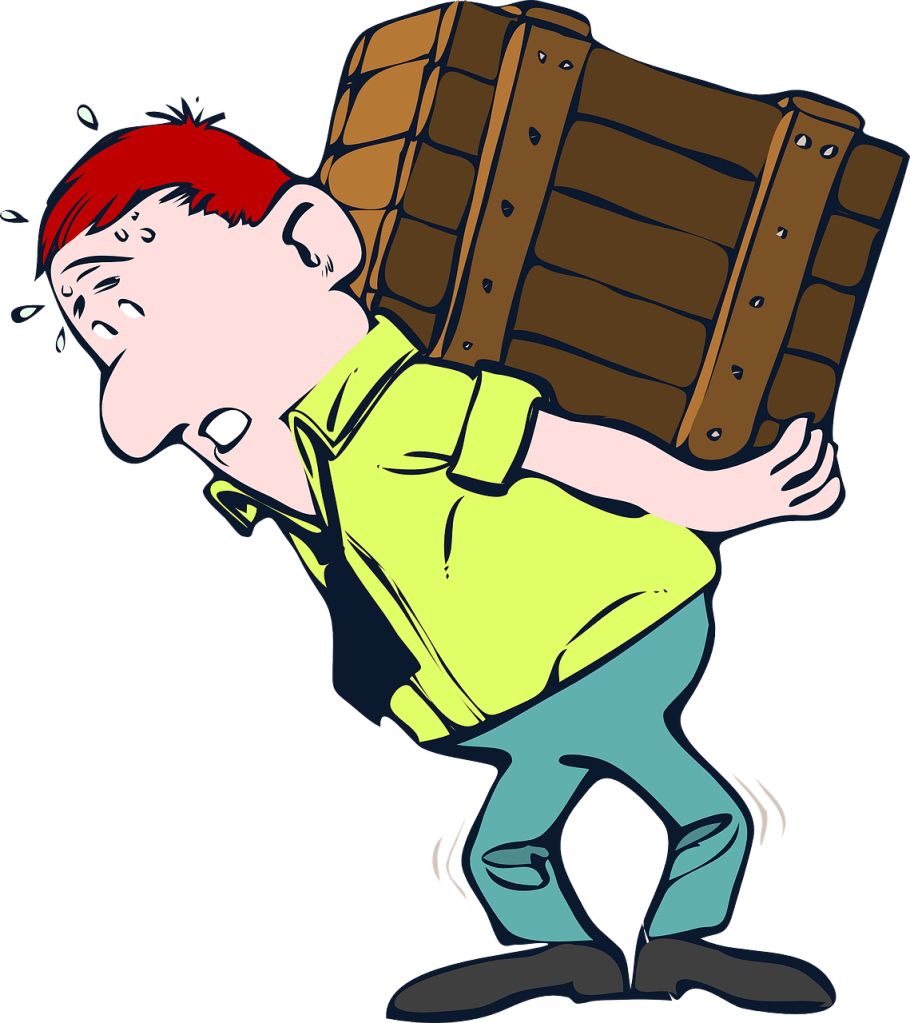
Muscle strains and low back disc herniation can occur from improper postural lifting techniques or lifting a load that is too heavy. Learn the correct ways to lift in order to protect your low back from pain and injury.
Ergonomics – Proper Lifting Techniques Guide
Use this illustrated guide from Pennsylvania State University to prevent back and lifting-related injuries. These guidelines should be used when lifting or moving any loads, both at work and at home. Click here to read the Guide.
Back Health Guide
An illustrated guide from the National Institutes of Health. This guide will help you to prevent back injury by understanding Good Posture and Lifting With Proper Posture. Click here to read the Guide.









 Irene Pastore Fitness.com