Optimize Your Gut Health After 50


Why Your Gut Needs Different Foods After 50

Your digestive system plays a major role in your overall health, especially as you get older. From nutrient absorption to immune defense and even mood regulation, your gut does a lot more than break down food. And with age, its needs change. Fortunately, what you eat can help keep things running smoothly.

In this post, we’ll look at how aging affects your gut—and what foods can help support it.

How Aging Affects Your Digestive System

You might notice that digestion feels a little different in your 50s, 60s, and beyond. That’s because several age-related changes begin to affect how your gut functions:

  • Slower digestion: Your metabolism slows down, which means food moves more slowly through the digestive tract.
  • Reduced stomach acid: This can impact the absorption of important nutrients like vitamin B12, iron, and calcium.
  • Less diverse gut bacteria: The balance of “good” bacteria in your gut can shift, affecting everything from digestion to immunity.
  • More constipation and bloating: Decreased muscle tone in the digestive tract can lead to discomfort and irregularity.

The good news? Food can help address many of these issues—if you give your gut what it needs.

Gut-Friendly Foods For Older Adults

FIBER RICH FOODS

Fiber is crucial for regularity, blood sugar balance, and feeding the good bacteria in your gut.

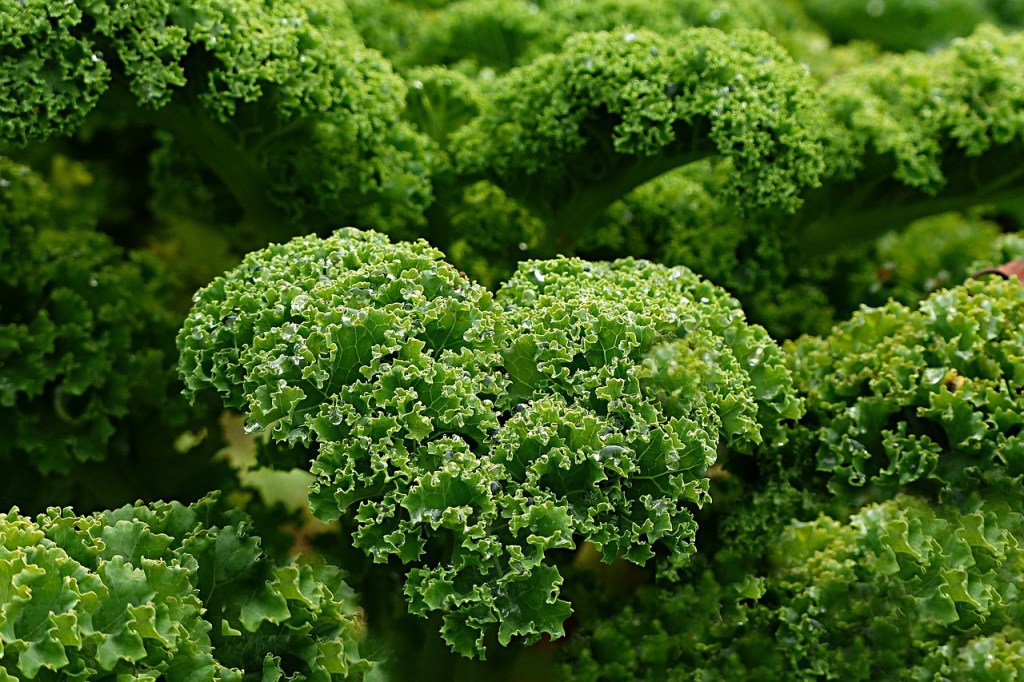
  • Best sources: beans, lentils, oats, chia seeds, berries, leafy greens, broccoli.
  • Tip: Increase fiber gradually and drink more water to avoid gas or bloating.

FERMENTED FOODS

Fermented foods naturally contain probiotics—live bacteria that support a healthy microbiome.

  • Try live culture yogurt, kefir, kimchi, sauerkraut, miso, tempeh
  • Look for “live and active cultures” on food labels.

HYDRATION IS KEY

Dehydration is common in older adults and often contributes to constipation.

  • Drink enough water to stay hydrated. The amount varies depending on age, health, climate and activity level.
  • Food and beverages, such as soup, fruit and tea also count as hydration.

HEALTHY FATS

Good fats support nutrient absorption and reduce inflammation in the gut lining.

  • Add: olive oil, avocado, nuts, seeds, and fatty fish like salmon.

EASY WAYS TO IMPROVE DIGESTION

Changing how you eat can be just as important as what you eat:

  • Eat smaller, more frequent meals if large meals make you feel sluggish or bloated.
  • Chew your food thoroughly to give digestion a head start.
  • Avoid heavy meals before bed, which can disrupt sleep and slow digestion.
  • Consider digestive enzymes or probiotics.

Ths article is for educational purposes only. It does not replace the advice of your healthcare practitioner.
Cucumber Health Benefits for Aging


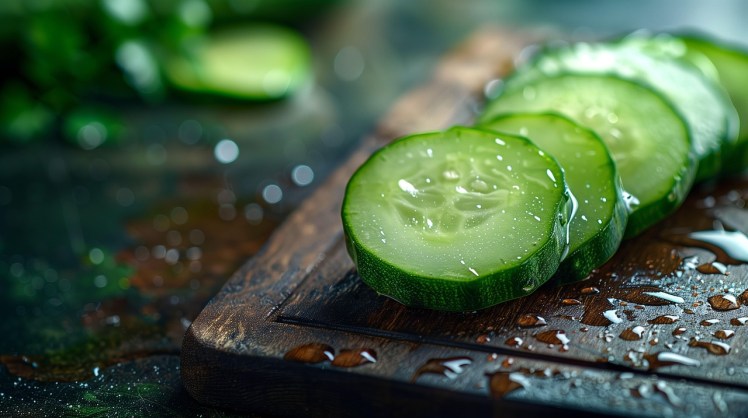
Sliced Cucumbers

What Is A Cucumber?

Botanically speaking, a cucumber is a fruit because it develops from the flower of the cucumber plant and contains seeds. By that definition, it’s in the same club as tomatoes, peppers, and squash.

But in the culinary world, cucumbers are treated as vegetables—used in salads, savory dishes, and rarely in desserts—so they wear the veggie badge in the kitchen.

So, depending on whether you’re a botanist or a chef, the cucumber plays both roles.

Aging and Cucumbers

Cucumbers may seem humble, but they’ve got some serious superpowers, especially when it comes to aging gracefully. Cucumbers offer a refreshing way to support healthy aging thanks to their unique blend of nutrients and antioxidants. Some of the rejuvenating benefits include Hydration and Skin Health, Bone Support, Antioxidant Effects, Heart and Blood Pressure Benefits, Weight and Digestion.

What Is The Nutritional Profile of Cucumbers?

Cucumbers are 95% water, but they pack a surprising punch of nutrients and beneficial compounds. Here’s a breakdown of what you’ll find in them.

Vitamins

  • Vitamin K: Supports blood clotting and bone health.
  • Vitamin C: Antioxidant that boosts immunity and skin health.
  • Vitamin A: Helps with vision, immunity, and o.rgan function.
  • B Vitamins: B1 (thiamin), B2 (riboflavin), B3 (niacin), B5 (pantothenic acid), B6, and folate (B9), support energy metabolism and brain function.
  • Vitamin E: Antioxidant that protects cells from damage.

Minerals

  • Potassium: Helps regulate blood pressure and fluid balance.
  • Magnesium: Supports muscle and nerve function.
  • Calcium: Essential for bones and teeth.
  • Phosphorus: Works with calcium for bone health.
  • Iron: Important for oxygen transport in the blood.
  • Zinc: Supports immune function and wound healing.
  • Copper, Manganese, Selenium: Trace minerals with various roles in metabolism and antioxidant defense.

Antioxidants & Phytochemicals

  • Cucurbitacins: Plant compounds with potential anti-cancer properties.
  • Fisetin: A flavonoid with anti-inflammatory and neuroprotective effects.
  • Lignans: May support heart health and reduce cancer risk.
  • Beta-carotene, lutein, zeaxanthin: Supports eye health and fight oxidative stress.

Other Benefits

  • High water content (about 95%): Excellent for hydration.
  • Low in calories and sugar: Great for weight management.
  • Dietary fiber: Especially in the peel, helps digestion and gut health.

How To Prepare Cucumbers

Cucumbers are incredibly versatile in the kitchen. They have a cool, crisp texture and can be combined with just about any flavor profile. Here’s a short list of culinary uses of cucumbers.

  • Salads
  • Sandwiches and Wraps
  • Salsas and Slaws
  • Pickled
  • Roasted or Grilled
  • Sauteed or Stir-Fried
  • Baked
  • Smoothies
  • Salad Dressing
  • Raw Snack
  • Dipped in Hummus

Avocado Nutrition: Why This Superfood is Essential


Sliced Avocado In A Serving Bowl

What Is An Avocado?

An avocado is a fruit that comes from the avocado tree, native to Central and South America. It’s known for its creamy texture and rich, nutty flavor. Some avocados have a green leather-like rough skin , while others are smooth. Once the peel is removed, the inside texture is a creamy pale green with a large center pit.

Avocados are considered a superfood since they are nutrient-dense. They contain 20 vitamins, minerals, fiber and phytonutrients. An avocado provides a quick, healthy snack.

What Is The Nutritional Value of Avocados?

  • High in monounsaturated fats, particularly oleic acid (heart-healthy).
  • Rich in fiber, potassium, and vitamins like K, E, C, and several B vitamins.
  • Low in sugar compared to most fruits.
  • Low Glycemic Index rating of 10.

What Are the Health Benefits of Avocados?

Heart Health

  • Monounsaturated fats, especially oleic acid, can help lower bad LDL cholesterol while raising good HDL cholesterol.
  • Potassium helps regulate blood pressure and supports cardiovascular health.
  • Beta-sitosterol, a plant sterol, may help maintain healthy cholesterol levels.

Brain and Nervous System Support

  • Healthy fats are essential for brain function and may improve cognitive health.
  • High in folate (vitamin B9), which supports brain development and mental health.

Anti-Inflammatory Effects

  • Rich in antioxidants like vitamin E, vitamin C, lutein, and zeaxanthin, which help fight inflammation and oxidative stress.
  • Oleic acid also has anti-inflammatory properties.

Digestive Health

  • High in fiber (~7 grams per half avocado) helps promote regular bowel movements and a healthy gut microbiome.
  • Soluble fiber also supports blood sugar control and satiety.

Eye Health

  • Avocados contain lutein and zeaxanthin, two antioxidants that concentrate in the eyes and help reduce the risk of macular degeneration and cataracts.

Blood Sugar Regulation

  • Low in carbs and sugar, high in fiber and healthy fats, which helps stabilize blood sugar and improve insulin sensitivity.

Skin and Hair Health

  • Rich in vitamin E and C, which support collagen production and skin repair.
  • Healthy fats help keep skin hydrated and supple.

How Are Avocados Used In Recipes?

  • Guacamole mashed with lime, salt, onions, and other ingredients.
  • Sliced or mashed on toast, salads, and sandwiches.
  • Used in smoothies, sushi, salads, soups, mayonnaise substitute, dips, and desserts.

Obesity in Older Adults: Alarming Statistics and Health Risks


Health Policy Institute’s Grim Report On Aging and Obesity

” Some 15 million older adults — people over the age of 51 — are obese. This represents nearly one in four older adults. While obesity itself is not a chronic condition, it is a risk factor for many chronic conditions, including four of the ten leading causes of death in the U.S. — coronary heart disease, type II diabetes, stroke and several forms of cancer.”

Did You Know That

  • Disability rates are higher among adults who are obese.
  • Obese older adults are more likely to be severely disabled than those who are not obese.
  • Older adults who are obese are more likely to suffer from persistent and chronic symptoms of illness.
  • 22 percent of obese adults age 51 to 69 say they frequently feel severely fatigued or exhausted.
  • Older obese adults are more likely than older non-obese adults to have difficulty or be unable to participate in activities such as walking any distance, going shopping, or attending movies, parties, or other social events.

Source: Georgetown University Health Policy Institute


Read the full report here: Obesity Among Older Americans

Healthy Snacks Rich in Calcium


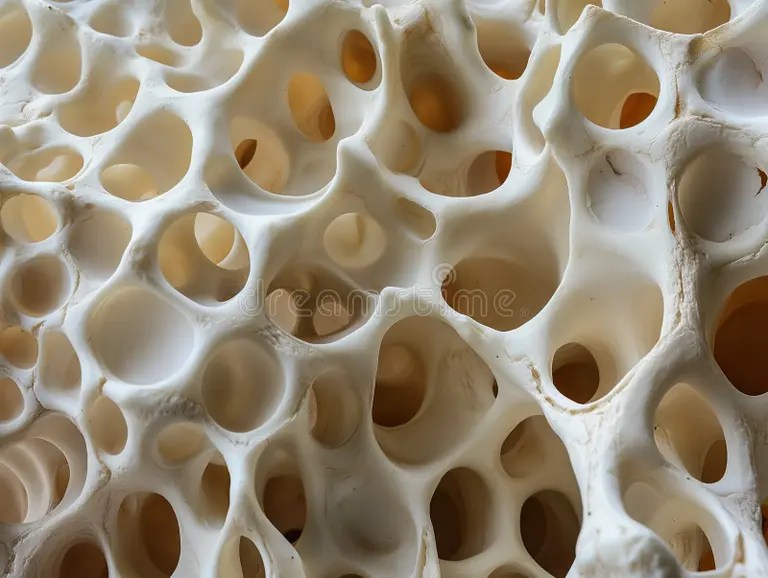
Calcium is an essential mineral for healthy bones and teeth. Insufficient dietary calcium can lead to the development of osteopenia and osteoporosis.

Osteopenia is low bone mass vs osteoporosis, a disease that makes bones weak and prone to fractures. Osteopenia can lead to osteoporosis.

Your body doesn’t produce calcium. In order to support bone health, you must consume dietary sources to get sufficient calcium.

The best dietary sources of calcium are dairy, soft-boned fish, and green leafy vegetables. Certain fruits also contain calcium. Some of them are oranges, dried figs, apricots, bananas, papayas, and strawberries.

High Calcium Snacks

Glass of Dairy Milk or Almond Milk with Tofu Chocolate Cake

Glass of Plain Kefir or Strawberry Kefir

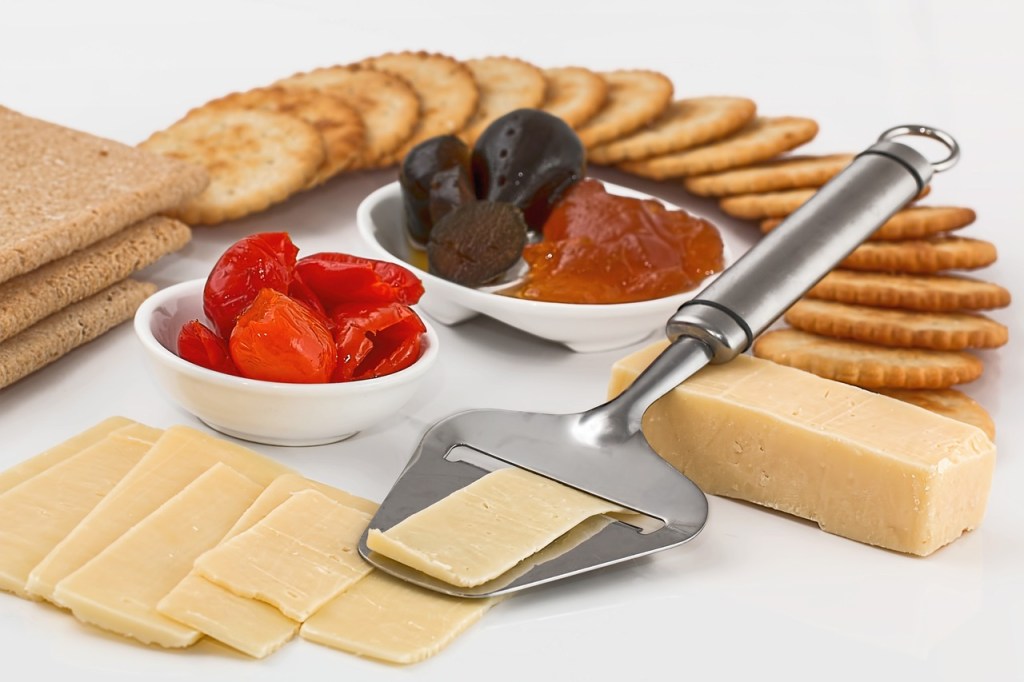
Sliced Pecorino Romano or Parmesan Cheese with Assorted Sliced Fruit

Low Fat Strawberry Cheesecake

Almonds

Tahini (Sesame Butter) spread on Multigrain Crackers with Assorted Fruit

Yogurt Topped with Fruit and Almonds

Cheddar Cheese with Sliced Oranges, Strawberries or Kiwis

Dried Figs and Apricots with Almonds

Daily Calcium Requirements

Your Daily Calcium Requirements are based on your age and sex.


MEN
19-50 years 1,00 mg
51-70 years 1,000 mg
71 and older 1,200 mg


WOMEN
19-50 years 1,000 mg
51 and older 1,200 mg


High Calcium Dinner Ideas for Strong Bones


Calcium intake is crucial for bone health. Insufficient dietary calcium can lead to the development of osteopenia and osteoporosis.

Osteopenia is low bone mass vs osteoporosis, a disease that makes bones weak and prone to fractures. Osteopenia can lead to osteoporosis.

Your body doesn’t produce calcium. In order to support bone health, you must consume dietary sources to get sufficient calcium.

The best dietary sources of calcium are dairy, soft-boned fish, and green leafy vegetables. Certain fruits also contain calcium. Some of them are oranges, dried figs, apricots, bananas, papayas, and strawberries.

High Calcium Dinner

Tofu and Vegetable Stir Fry: Sauteed Chopped Kale, Brocolli, Scallions, Mushrooms, and Garlic in Toasted Sesame Oil. Serve over Egg Noodles.

Dessert: Low Fat Strawberry Cheesecake or Tofu Chocolate Cake

Daily Calcium Requirements

Your Daily Calcium Requirements are based on your age and sex.


MEN
19-50 years 1,00 mg
51-70 years 1,000 mg
71 and older 1,200 mg


WOMEN
19-50 years 1,000 mg
51 and older 1,200 mg