Medications That Cause Loss of Appetite


Proper nourishment is crucial when engaging in regular physical activity. If you’re taking any of these prescription medications, consult your physician to adjust dosage or change medications. Or you may have to adjust your exercise routine.

Prescription Medications That Cause Loss of Appetite

  • Antibiotics : used to treat bacterial infections such as urinary tract infections.
  • Amphetamines: a stimulant drug that speeds up messages between your brain and body. Used to treat ADHD and narcolepsy.
  • Chemotherapy: a cancer treatment used to kill cancer cells and prevent tumor growth.
  • Digoxin: a tablet medication that treats heart failure and irregular heart beat.
  • Fluoxetine: used to treat depression, anxiety, obsessive-compulsion disorder, and eating disorders. Fluoxetine is sold as Prozac.
  • Hydralazine: used to treat high blood pressure . Hydralazine is sold as Apresoline.
  • Opioids: prescription medication used to manage moderate to severe pain.
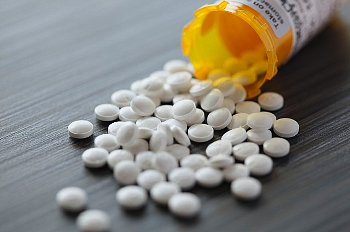
Prescription Medication That May Cause Bone Loss

Some prescription medications interfere with calcium absorption, and may lead to  bone loss.  Medications used over time, to prevent seizures, depression, gastric reflux, cancer, or transplant rejection, have been known to cause osteoporosis.  

Long-term use of prednisone, and cortisone may affect your body’s ability to build bone.  Read more about drugs that can cause bone loss in the following articles.

University of Washington Medical Center, August 2005, Drugs That Cause Bone Loss.

Texas A&M University, September 2012, Medications That May Cause Bone Loss.

The National Osteoporosis Foundation, Medications That May Cause Bone Loss.Information in this post is educational. 

Information in this post is educational.  It should not be used to replace medical advice from your physician, or other healthcare provider.

Comment Guidelines

Copyright 2012 Irene Pastore, and Blue Moon Personal Training

Prescription Medication Side Effects

Educate yourself by reading up on medications, their uses, and side effects.

U.S. Food and Drug Administration, Index to Drug-Specific Information

Drugs.com provides free information on over 24,000 prescription drugs, over-the-counter medicines, and natural products.

AARP.org provides an A-Z Index for information about prescription medication.

Information in this post is educational.  It should not be used to replace medical advice from your physician, or other healthcare provider.

Copyright 2012 Irene Pastore, and Blue Moon Personal Training

Comment Guidelines