Dietary Prevention of Osteoporosis


What Is Osteoporosis

Normal and Osteoporotic Bones

Osteoporosis is a bone disease characterized by decreased bone mineral density and mass. As the disease progresses bones become weak and brittle leading to increased risk of fractures.

Symptoms of Osteoporosis

Osteoporosis is called the ‘silent disease’ since there are no symptoms until fractures start to occur. As the disease progresses symptoms may include back pain, loss of height, a stooped posture, and bone that breaks more easily than expected.

Dietary Prevention of Osteoporosis

Build strong bones by eating a diet rich in calcium. 98 percent of bodily calcium is stored in your bones. Men and women between the ages of 18 and 50 need 1,000 milligrams of calcium a day. This daily amount increases to 1,200 milligrams when women turn 50 and men turn 70.

Sources of Dietary Calcium

  • Kale
  • Yogurt
  • Bok Choy
  • Kefir
  • Broccoli
  • Canned Seafood: Sardines, Anchovies and Salmon
  • Hard Cheese: Parmesan, Romano
  • Turnip Greens
  • Cottage Cheese
  • Oranges and Orange Juice
  • Collard Greens
  • Almonds
  • Tofu
  • Almond Milk
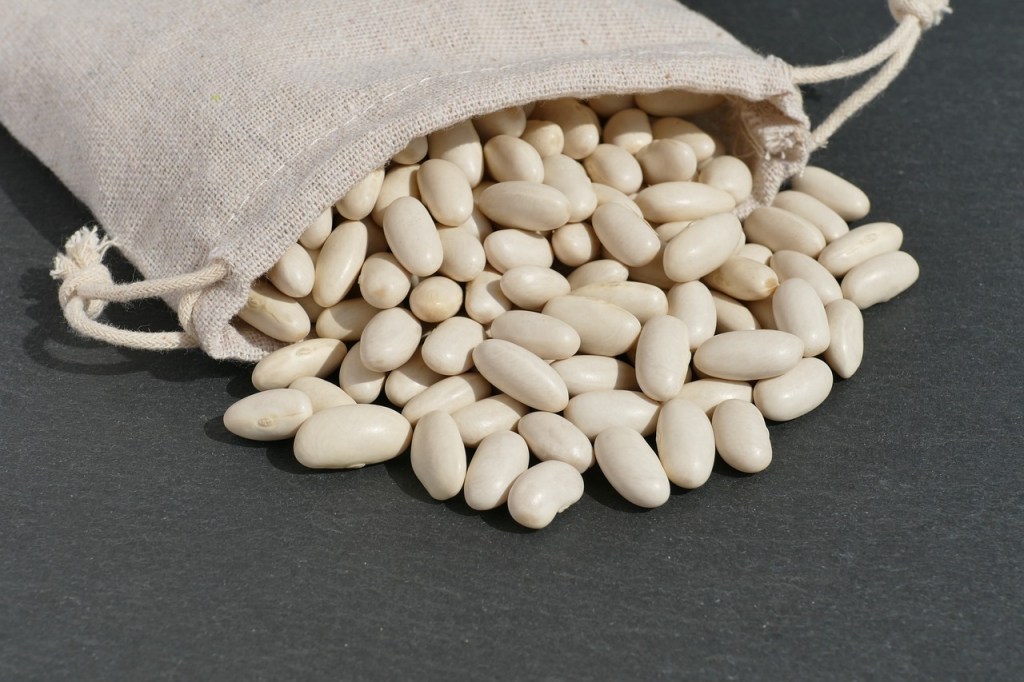
  • Great Northern Beans
  • Ricotta Cheese
  • Rhubarb
  • Figs
  • Soy Milk
  • Black Beans
  • Butternut Squash
  • Okra
  • Chickpeas
  • Unsweetened Rice Milk
  • Amaranth
  • Edamame
  • Powdered Milk

Understanding Buckwheat: A Gluten-Free Alternative


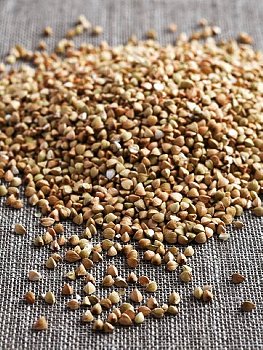
Buckwheat is not a grain, a cereal, or a grass, and it’s not related to wheat. Buckwheat is a triangular shaped seed related to rhubarb and sorrel. It looks and acts like a grain and has a hearty, nutty flavor.

To make things confusing, it is often referred to as a grain.

Buckwheat is a good substitute for wheat or grains containing gluten.  It cooks quickly, and is highly nutritious. Great news for those who are wheat or gluten sensitive.

Buckwheat is sold either raw or toasted. It can be mixed with rice, or other grains or seeds. Toasted Buckwheat sometimes called kasha,  has a more nutty flavor than raw buckwheat.  Either way it’s a wonderful side dish when sauteed with onions.

How To Cook With Buckwheat

  • Buckwheat Bread: Bake bread with buckwheat flour.
  • Buckwheat Morning Cereal: Cook raw, or toasted buckwheat seeds in water to make cereal.  Add fruit, cinnamon, salt, maple syrup, and hemp milk according to taste.
  • Buckwheat Pancakes: Use buckwheat flour for morning pancakes.  
  • Buckwheat Side Dish: Combine either cooked raw buckwheat, or cooked toasted buckwheat with sauteed onions, for a delicious side dish.
  • Japanese Buckwheat Noodles: Prepare the noodles. Serve with sauteed vegetables.

How Aging Affects Magnesium Absorption


Magnesium is an essential mineral and an electrolyte that is vital to sustain good health. It is a co-factor for hundreds of enzymes that depend on it for everyday functioning. In addition to its many benefits, we need magnesium to sustain normal nerve and muscle function.

As we age our bodies are less capable of absorbing magnesium. There are certain prescription medications that interfere with magnesium absorption.

Magnesium Absorption Inhibitors

  • Bisphosphonates (Osteoporosis Medications)
  • Antibiotic Medication
  • Diuretic Medication
  • Acid Reflux Medication
  • Peptic Ulcer Medication

How To Determine Low Magnesium

Healthcare practitioners diagnose low magnesium with a blood test. If you suspect that your levels are low, check with your physician to discuss your symptoms.

Reasons For Magnesium Deficiency

  • Insufficient Dietary Intake
  • Inadequate Absorption
  • Loss Through Excretion
  • Poor Nutrition
  • Diseases That Affect Malabsorption
  • Medications That Affect Malabsorption

Early Signs of Magnesium Deficiency

  • Fatigue
  • Loss of Appetite
  • Muscle Spasm
  • Nausea
  • Stiffness
  • Weakness

Untreated magnesium deficiency can worsen and may lead to Abnormal Heart Rhythm, Numbness and Tingling, or Seizures.


Related Posts

Top 7 Types of Magnesium Supplements and Their Benefits


Magnesium is an essential mineral and a co-factor for hundreds of enzymes that are vital to sustain good health.

Your body doesn’t make magnesium, so you need to consume a magnesium rich diet to maintain healthy levels.

Another option is to take a magnesium supplement. Before doing so check with your healthcare professional.

There are several types of magnesium that are available as a dietary supplement. Here is a list of the most common types of magnesium and their benefits.

Types of Magnesium Supplements

Magnesium Citrate is used as a laxative to treat occasional constipation.

Magnesium Glycinate improves sleep, supports healthy blood pressure, promotes bone health, benefits leg cramps, helps control blood sugar.

Magnesium Chloride treats or prevents a magnesium deficiency, increases low stomach acid, helps to improve relaxation and better sleep, and alleviate depression.

Magnesium Lactate is a salt of magnesium and lactic acid that may be easier to absorb and gentler on the digestive system than other forms of magnesium. It can help replenish low magnesium and alleviate stress and anxiety.

Magnesium Malate is a combination of magnesium with malic acid that helps to boost the absorption of magnesium. Some of its benefits are boosting energy and mood, supports muscle and nerve function, supports heart health, blood sugar regulation.

Magnesium Taurate combines magnesium with taurine, an amino acid. It is known for its potential for enhanced absorption.

Magnesium Sulfate reverses a magnesium deficiency. Magnesium Sulfate works as a natural laxative. It also decreases muscle soreness, promotes relaxation and improves the skin.


Related Posts