
Get Hired: Improve Your Posture
 What does your posture say about you when you walk in to a job interview? Is your head jutting forward, and down? Are your shoulders rounded? Is your appearance slouched? If so, you’re not exactly portraying an air of confidence.
MOBILE DEVICES AND YOUR POSTURE
In today’s era of electronic devices, most working adults are in the habit of bending their neck forward, with the chin toward the chest.
As they slouch at their desk, use their cell phone, watch TV, videos, or surfing the web, their shoulders and upper back round forward, while the head juts forward and down.
Over time, looking down at your cell phone, removes the natural curve of your neck, puts strain on the muscles of your cervical spine, causing pinched nerves, and herniated discs. Doctors are seeing more patients with mobile technology-induced head, neck and back pain.
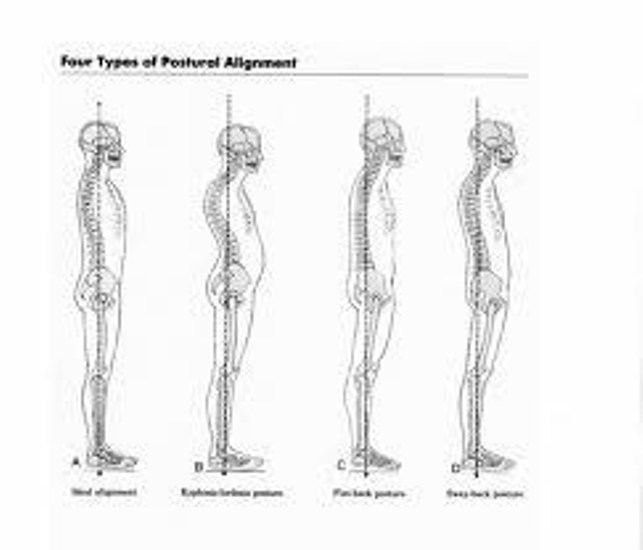
Chronic downward tilting of your head, is the result of lifestyle habits that encourage what chiropractors, and orthopedic doctors refer to as, forward head posture, and thoracic kyphosis, a rounding of the upper back.
Frequent cell phone texting is an example of a lifestyle habit that may result in poor spinal health.
Forward leaning of your head tightens chest muscles, and weakens the upper back. When your upper back weakens, it develops a rounded appearance, while your chest appears caved in, and your shoulders collapse forward.
On a job interview, you’ll want to look healthy and confident. Slumping forward with your head down conveys the opposite.
CORRECTIVE EXERCISE
Take heart, there is a solution to your problem. It’s called corrective exercise. Poor upper back, and neck posture can be reversed with strengthening exercises that target your upper back, stretching exercises that open the chest, and strengthening exercises for the back of your neck.
Copyright 2015 Irene Pastore, and Tour De Core Personal Training
 Irene Pastore Fitness.com