High Calcium Lunch Ideas for Strong Bones


Calcium intake is crucial for bone health. Insufficient dietary calcium can lead to the development of osteopenia and osteoporosis.

Osteopenia is low bone mass vs osteoporosis, a disease that makes bones weak and prone to fractures. Osteopenia can lead to osteoporosis.
Your body doesn’t produce calcium. In order to support bone health, you must consume dietary sources to get sufficient calcium.

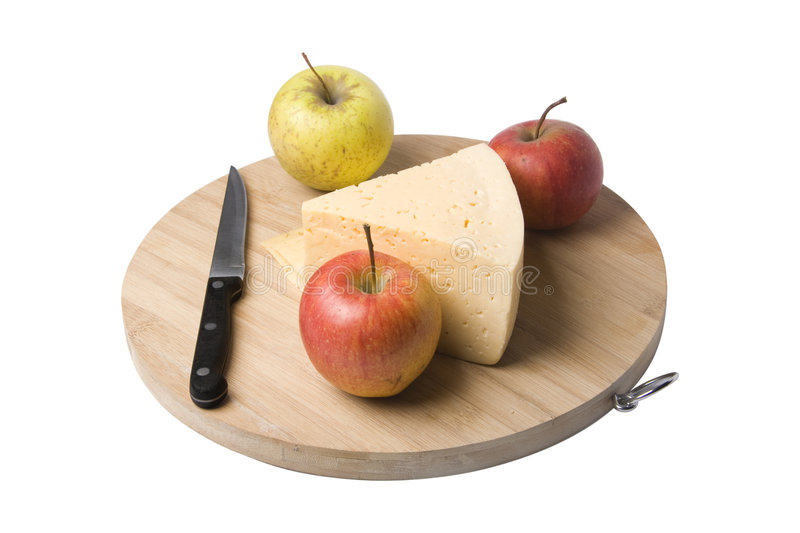
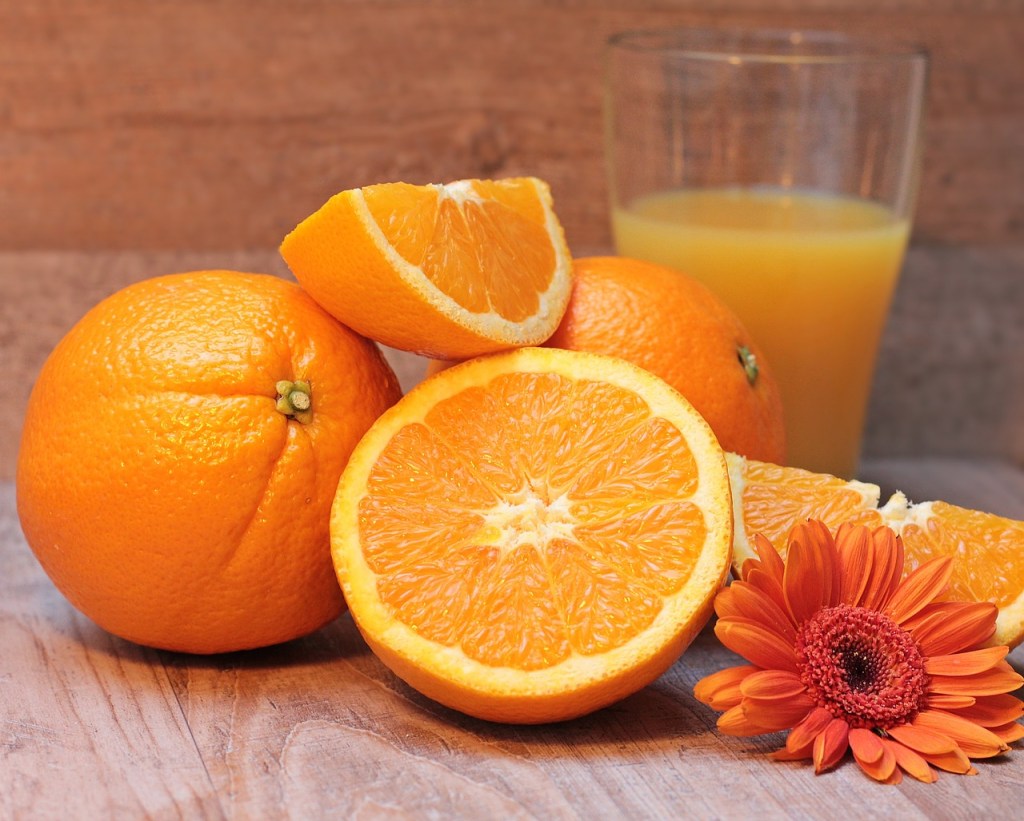
The best dietary sources of calcium are dairy, soft-boned fish, and green leafy vegetables. Certain fruits also contain calcium. Some of them are oranges, dried figs, apricots, bananas, papayas, and strawberries.

High Calcium Lunch

Green Leafy Salad Combo with Dices and Sauteed Spinach, Swiss Chard and Kale.

Canned Salmon Salad Sandwich with Sliced Tomatoes and Clover Sprouts.

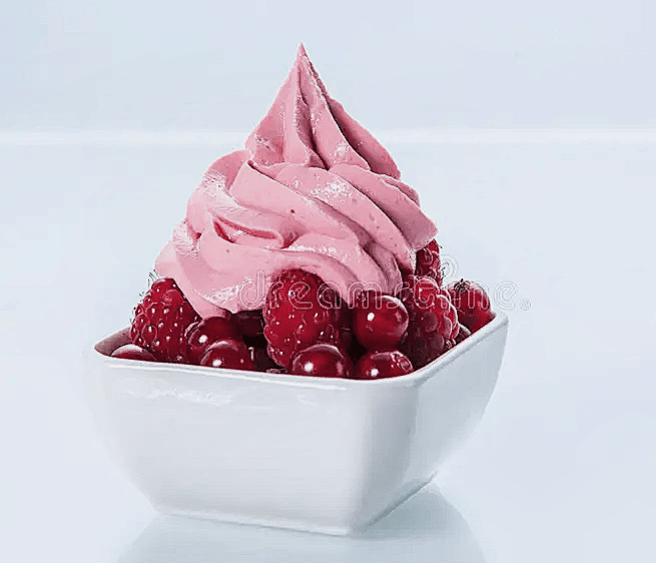
Frozen Strawberry Yogurt Dessert or Strawberry Kefir

Daily Calcium Requirements

Your Daily Calcium Requirements are based on your age and sex.


MEN
19-50 years 1,00 mg
51-70 years 1,000 mg
71 and older 1,200 mg


WOMEN
19-50 years 1,000 mg
51 and older 1,200 mg


Dietary Prevention of Osteoporosis


What Is Osteoporosis

Normal and Osteoporotic Bones

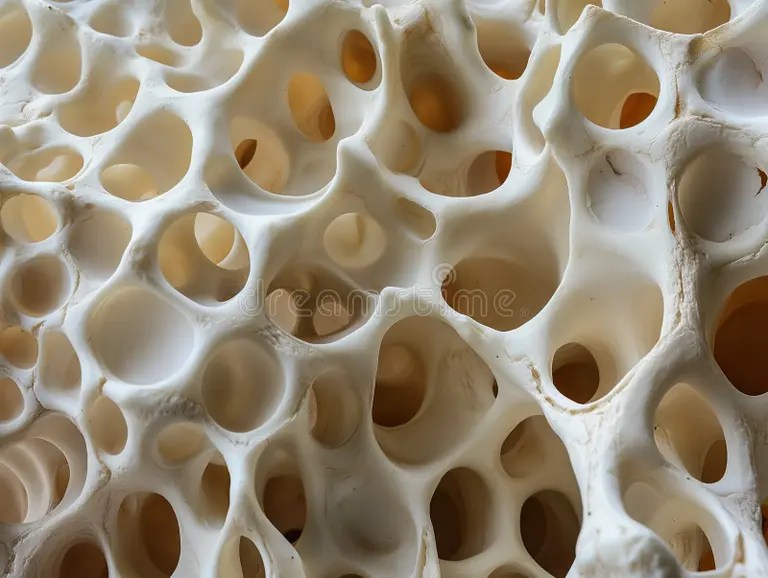
Osteoporosis is a bone disease characterized by decreased bone mineral density and mass. As the disease progresses bones become weak and brittle leading to increased risk of fractures.

Symptoms of Osteoporosis

Osteoporosis is called the ‘silent disease’ since there are no symptoms until fractures start to occur. As the disease progresses symptoms may include back pain, loss of height, a stooped posture, and bone that breaks more easily than expected.

Dietary Prevention of Osteoporosis

Build strong bones by eating a diet rich in calcium. 98 percent of bodily calcium is stored in your bones. Men and women between the ages of 18 and 50 need 1,000 milligrams of calcium a day. This daily amount increases to 1,200 milligrams when women turn 50 and men turn 70.

Sources of Dietary Calcium

  • Kale
  • Yogurt
  • Bok Choy
  • Kefir
  • Broccoli
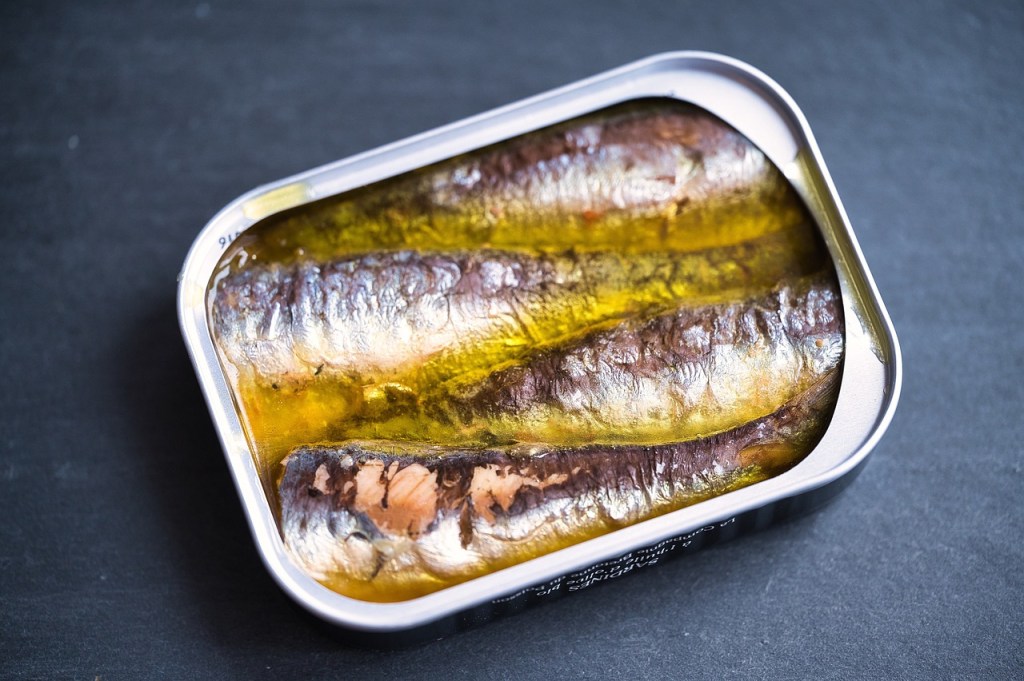
  • Canned Seafood: Sardines, Anchovies and Salmon
  • Hard Cheese: Parmesan, Romano
  • Turnip Greens
  • Cottage Cheese
  • Oranges and Orange Juice
  • Collard Greens
  • Almonds
  • Tofu
  • Almond Milk
  • Great Northern Beans
  • Ricotta Cheese
  • Rhubarb
  • Figs
  • Soy Milk
  • Black Beans
  • Butternut Squash
  • Okra
  • Chickpeas
  • Unsweetened Rice Milk
  • Amaranth
  • Edamame
  • Powdered Milk

Understanding Methotrexate: Risks and Side Effects


Methotrexate is a prescription medication used to treat cancer, rheumatoid arthritis, and psoriasis. It can cause non threatening as well as life-threatening side effects. Contact your doctor when experiencing medication side effects.

Methotrexate has several brand names: Rheumatrex, Trexall, Xatmep, Jylamvo, Otrexup, and RediTrex.

Methotrexate Side Effects

  • Mouth sores
  • Nausea
  • Fever
  • Dizziness
  • Stomach pain
  • Tiredness
  • Chills
  • Infection
  • Fever
  • Cough
  • Sore throat
  • Wounds that don’t heal
  • Bleeding
  • Liver, kidney or bone marrow damage
  • Allergic reactions
  • Blood clots
  • Shortness of breath
  • Chest pain
  • Dry cough, shortness of breath or trouble breathing
  • Low red blood cell count
  • Weakness, fatigue, dizziness, headache
  • Seizures
  • Unusual bruising or bleeding
  • Diarrhea
  • Hair Loss
  • Pain, redness or swelling with mouth or throat sores
  • Vomiting

Understanding Sacroiliac Joint Pain


The SI joint refers to the triangular shaped sacrum bone that connects the spine to the upper portion of the pelvis. SI means sacroilium.

There are two SI joints that sit on each side of your spine with ligaments that hold the bones together. The function of the SI joint is to bear the weight of your upper body when you sit or stand.

Common Causes of SI Pain

  • SI ligaments are damaged
  • Osteoarthritis
  • Inflammation due to injury
  • Falling down
  • Repetitive pounding from sports such as jogging
  • Muscle tightness in low back or backside
  • Traumatic injury
  • Prolonged sitting or standing
  • Prolonged standing one one leg

SI Pain Symptoms

  • Standing up may cause pain
  • Pain may be located on one side of your lower back
  • Pain may be worse in the morning than during the day
  • Pain is most common in the low back and buttocks

Diagnosis and Treatment

If you think your pain may be caused by injury to the SI joint, make an appointment with your primary care doctor to get a preliminary diagnosis. Depending on their findings, your doctor may give you a treatment plan, or refer you to a spine specialist for further testing.


Weight Loss: Protect Your Spine and Health


Too Much Weight Puts Pressure on Your Spinal Discs

As you get older you want to avoid common health issues that are associated with the aging process. Consider weight loss as preventive medicine.

Normal Spinal Discs

There are a lot of good reasons to lose weight. Spinal health is one of them. This post will help you make the connection between getting rid of excess pounds to keep your spine in good shape.

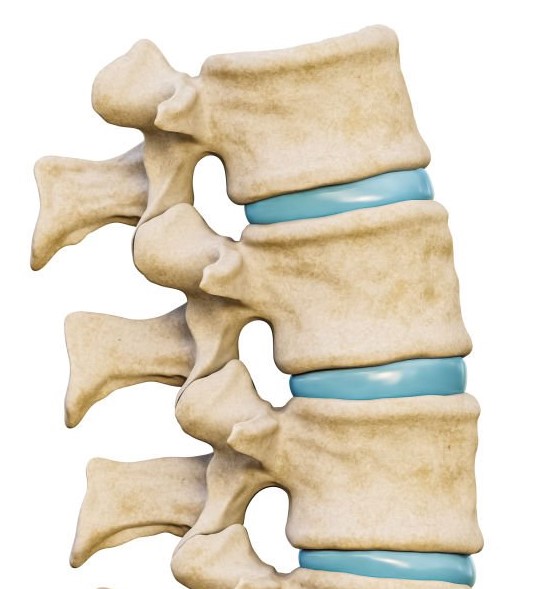
To the right is a picture of a human spine. The spine is made up of bones called vertebrae. In between the vertebrae are small pillows called discs. They act as cushions in between the vertebrae. Inside the disc is a jelly-like substance, while the exterior is comprised of tougher material.

Herniated Spinal Disc

Excess weight puts undue pressure on the spinal discs and causes wear and tear. This may cause a disc to rupture. Most likely you will suffer pain and need medical care. The pain prevents you from participating in much needed physical activity to help you lose unwanted weight.

Need Help With Your Exercise Journey? Contact Irene Pastore by filling out this form.