Baking with almond flour isn’t just a trendy alternative. It’s a smart, health-conscious choice that can transform your diet while delivering delicious results.
Almond flour gives bread a moist, tender texture with a subtle nutty flavor that pairs well with both sweet and savory ingredients. Perfect for everyday baking or a special treat.
How Almond Flour Supports Health Aging
Baking bread with almond flour isn’t just good for the moment, it’s a long-term investment in your health. Here’s how it benefits healthy aging.
1. Supports Brain Health Almond flour is rich in vitamin E, an antioxidant that may protect against cognitive decline and support long-term brain function.
2. Maintains Bone Strength Almonds contain calcium, magnesium, and phosphorus. All vital for preserving bone density as we age.
3. Fights Inflammation Chronic inflammation is a major factor in age-related diseases. The anti-inflammatory fats and antioxidants in almonds can help combat this.
4. Heart Health Monounsaturated fats and magnesium in almond flour help lower LDL cholesterol and support healthy blood pressure. Critical for cardiovascular health as we age.
5. Skin & Cellular Health Vitamin E also promotes skin elasticity and cell repair, helping to slow the appearance of aging and protect skin from oxidative stress.
6. Muscle Maintenance The protein in almond flour helps preserve lean muscle mass, which naturally declines with age but is crucial for strength and mobility.
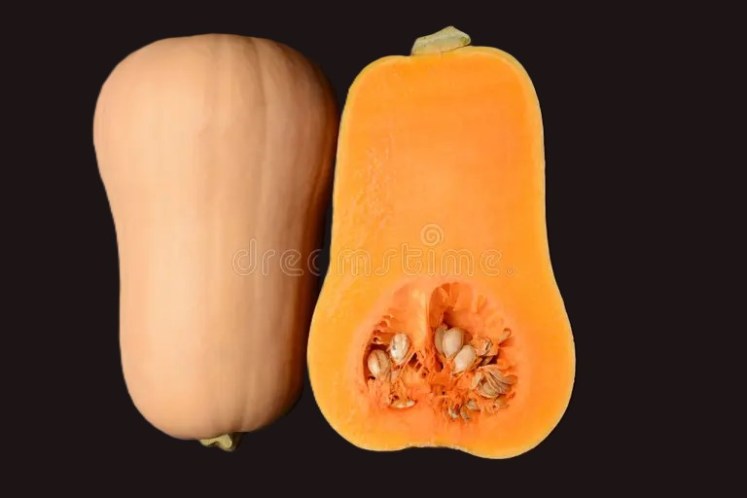
Butternut squash is a type of winter squash known for its sweet, nutty flavor and smooth, creamy texture when cooked. It has a distinctive bell or pear shape, with pale beige skin and deep orange flesh inside. Native to the Americas, it’s part of the gourd family, which also includes pumpkins and zucchinis.
How Does Butternut Squash Benefit Aging
Butternut squash is not just delicious, it’s also fantastic for supporting healthy aging. Here’s a breakdown of the key benefits of butternut squash as it relates to aging.
Butternut Squash Is Rich in Antioxidants
Butternut squash is high in beta-carotene, which the body converts to vitamin A, a powerful antioxidant that helps neutralize free radicals. These free radicals can damage cells and accelerate aging, especially in the skin, eyes, and brain. Antioxidants like beta-carotene support:
Healthier, more resilient skin
Stronger immune function
Reduced risk of age-related chronic diseases
Butternut Squash Supports Brain Health
Butternut Squash contains important nutrients like vitamin B6, folate, and vitamin E, all of which are associated with better cognitive function and a lower risk of age-related cognitive decline, including conditions like dementia or Alzheimer’s.
Butternut Squash Is Heart-Healthy
Aging increases the risk of heart disease, and butternut squash is a heart helper. It’s rich in the following heart-healthy nutrients.
Potassium, which helps regulate blood pressure
Fiber, which helps manage cholesterol levels
Magnesium, which supports cardiovascular health
Butternut Squash Supports Bones
Butternut squash contains manganese, vitamin C, and magnesium, which are all essential for maintaining strong bones and preventing conditions like osteoporosis as we age.
Butternut Squash Protects Eye Health
The beta-carotene (vitamin A) in butternut squash also plays a key role in preventing macular degeneration and other age-related eye diseases. Plus, it contains lutein and zeaxanthin, which are specifically linked to eye protection.
Butternut Squash Supports Digestion
With good fiber content, butternut squash helps maintain a healthy digestive system, which can often slow down with age. It supports regularity and a healthy gut microbiome, both essential for aging well.
Butternut Squash Is Low In Calories and High In Nutrition
As metabolism slows with age, nutrient-dense and lower-calorie foods become more important. Butternut squash provides a lot of nutrition without excess calories or unhealthy fats.
How To Prepare Butternut Squash
Butternut squash is incredibly versatile. It can be used in dozens of ways across savory and sweet dishes. While there’s no exact number, here’s a breakdown of the many ways it can be used in recipes.
Butternut Squash blends well, roasts beautifully, sweetens naturally, and adapts across cuisines from Italian to Thai to American comfort food.
A coconut is the large, hard fruit of the coconut palm tree , which grows in tropical and subtropical regions. It’s a very versatile fruit used for food, drink, oil, and many household or industrial products.
The coconut fruit has several parts: an outer husk, an inner shell, coconut water, coconut meat, and coconut oil. While coconut fruit offers several health benefits, keep in mind that coconut products are high in calories, and coconut oil is high in saturated fat.
Nutritional Benefits For Aging
Coconuts offer several nutritional and functional benefits that support healthy aging. Here are the key ones.
Supports brain health
Coconut oil contains medium-chain triglycerides (MCTs), which are quickly converted into ketone, an alternative energy source for the brain. This may help maintain mental clarity and memory in older adults.
Provides healthy fats for energy
The fats in coconut (especially MCTs) are easier to digest than long-chain fats. They give a quick, sustained energy boost without spiking blood sugar, helpful for staying active with age.
Promotes digestive health
Coconut meat and flour provide dietary fiber, which supports gut health, helps prevent constipation, and maintains a healthy microbiome.
Hydration and electrolyte balance
Coconut water is rich in potassium, magnesium, and sodium, helping with hydration, muscle function, and blood pressure regulation. This is important for heart and kidney health as we age.
Antioxidant protection
Coconuts contain phenolic compounds and vitamin E, which help reduce oxidative stress, a major contributor to aging and age-related diseases.
Supports skin health
Coconut oil is often used topically as a natural moisturizer. It helps keep skin soft, may reduce dryness, and offers mild antimicrobial benefits.
Bone and muscle support
Minerals like manganese, copper, and selenium in coconut contribute to bone strength, collagen formation, and overall resilience.
How Coconut Is Used In Cooking
Coconut is one of the most versatile foods in the kitchen. It can be used in many different ways depending on which part of the fruit you’re using. Here’s a list.
Fresh coconut meat
Eaten raw as a snack.
Grated or shredded and sprinkled over curries, rice, salads, or desserts.
Toasted coconut adds crunch to baked goods, granola, and toppings.
Dried coconut
Dried coconut in cakes, cookies, and candies.
Coconut flour is a gluten free flour alternative for baking.
Coconut flakes/chips provide a snack or topping for oatmeal, yogurt, or smoothie bowls.
Coconut milk and cream
Curries and soups provide a base for Thai, Indian, Caribbean dishes.
Smoothies & drinks offers a creamy, dairy-free substitute.
Baking provides replacement for dairy cream in cakes, puddings, or custards.
Baby spinach is the young, tender leaves of the spinach plant. It is harvested earlier than mature spinach, typically within 15 to 35 days after planting. This results in smaller, more delicate leaves with a milder, slightly sweet flavor.
How Does Baby Spinach Differ From Regular Spinach?
Baby Spinach requires less cooking time or none at all. It is softer and better suited to raw dishes than regular spinach. It is less bitter than mature spinach.
Key Characteristics of Baby Spinach
Texture: Soft and tender
Flavor: Milder and less bitter than mature spinach
Color: Bright to dark green
Size: Small leaves, often no bigger than a few inches
How Does Spinach Support Healthy Aging?
Baby spinach supports healthy aging in several powerful ways, thanks to its rich nutrient profile and antioxidant content. Here’s a breakdown of how it helps.
Supports Brain Health
Folate, vitamin K, and lutein found in baby spinach are linked to slower cognitive decline.
Lutein accumulates in the brain and may help protect against age-related memory loss.
Protects Eye Health
Contains the antioxidants lutein and zeaxanthin, that reduce the risk of age-related macular degeneration, and cataracts.
Promotes Heart Health
Nitrates in spinach help improve blood flow and lower blood pressure.
Folate and potassium support heart function and help maintain healthy cholesterol levels.
Strengthens Bones
High in vitamin K, which is essential for bone mineralization.
Contains calcium and magnesium, both crucial for maintaining bone density and preventing osteoporosis.
Reduces Inflammation and Oxidative Stress
Packed with antioxidants vitamin C, beta-carotene, and flavonoids, that combat free radicals, which contribute to cell damage and age-related diseases.
Supports Healthy Weight and Digestion
Low in calories, high in fiber helping to maintain healthy weight, and gut health. Both are linked to immune function and longevity.
May Help Protect Against Chronic Diseases
Regular consumption may lower the risk of the following diseases.
Heart disease
Type 2 diabetes
Certain cancers
How To Prepare Baby Spinach
Baby spinach is incredibly versatile. There are many ways to use it in recipes. Because it’s mild, tender, and nutrient-rich, it works well in raw, cooked, blended, or baked dishes.
Here’s a breakdown of key categories and examples to show just how many ways baby spinach can be used.
Raw in Cold Dishes
Salad base or mixed with other greens
Wraps and sandwiches
Grain bowls with quinoa, rice, or farro
Cold pasta or orzo salads
Lettuce cups and taco fillings
Lightly Cooked
Sautéed with garlic and olive oil
Wilted into scrambled eggs or omelets
Stirred into risottos or pastas at the end of cooking
Quinoa is a nutritious, edible seed that comes from the plant Chenopodium quinoa, which is native to the Andean region of South America, particularly Peru, Bolivia, Ecuador, and Colombia. Quinoa comes in four varieties: White, Red, Black and Tricolor.
Despite being prepared and eaten like a grain, quinoa is not a true cereal grain — it’s a pseudocereal. That means it’s a seed that’s used in much the same way as whole grains like rice or wheat but comes from a different plant family.
Key Characteristics of Quinoa
Gluten-free: Naturally free from gluten, making it suitable for people with celiac disease or gluten sensitivity.
High in protein: Contains all nine essential amino acids, which is rare for plant-based foods. That makes it a complete protein.
Rich in nutrients: Provides fiber, iron, magnesium, phosphorus, manganese, and folate.
Quick-cooking: Usually takes 15–20 minutes to cook.
How Does Quinoa Support Healthy Aging?
Supports Brain Health
Rich in B vitamins, especially folate (B9), which supports cognitive function and helps prevent mental fatigue and memory decline.
Contains magnesium, which aids nerve function and may reduce the risk of neurodegenerative diseases.
Promotes Heart Health
High in fiber, which helps lower LDL (“bad”) cholesterol levels.
Contains antioxidants and anti-inflammatory compounds (like quercetin and kaempferol) that protect the heart and blood vessels from age-related damage.
Healthy fats (small amounts of omega-3s) support cardiovascular health.
Preserves Muscle Mass
Quinoa is a complete protein, meaning it provides all 9 essential amino acids — important for maintaining muscle strength and repair as we age.
Helps prevent age-related muscle loss (sarcopenia), especially when combined with resistance training.
Supports Bone Health
Good source of magnesium, phosphorus, and manganese, all of which are critical for maintaining strong bones.
May help reduce the risk of osteoporosis when part of a balanced, calcium-rich diet.
Fights Oxidative Stress
High in fiber and protein, which promote satiety and reduce overeating.
Supports blood sugar regulation, which becomes more important with age due to increased risk of insulin resistance or type 2 diabetes.
Helps Maintain Healthy Weight and Metabolism
High in fiber and protein, which promote satiety and reduce overeating.
Supports blood sugar regulation, which becomes more important with age due to increased risk of insulin resistance or type 2 diabetes.
Plantains are a tropical fruit that look like large bananas. There are several differences between the two. Plantains are starchier and less sweet, and they are usually eaten cooked, rather than raw. Plantains are a staple food in many tropical regions and can be fried, baked, or boiled, much like a potato.
What Are The Nutritional Benefits That Support Healthy Aging?
Plantains have several benefits that support healthy aging.
Fiber: Helps maintain healthy digestion, supports gut health, and can help regulate blood sugar and cholesterol levels.
Potassium: Supports heart health, helps manage blood pressure, and maintains proper muscle and nerve function.
Vitamin C : An antioxidant that helps protect cells from damage, supports immune function, and aids collagen production for skin and joint health.
Vitamin B6: Important for brain health, mood regulation, and forming red blood cells.
Complex carbohydrates: Provide steady energy without sharp blood sugar spikes, especially when plantains are cooked in a healthy way.
Magnesium: Supports bone health, muscle function, and energy metabolism.
Antioxidants: Help reduce inflammation and protect against age-related cell damage.
How To Prepare Plantains
Plantains taste different depending on whether they’re green, yellow, or black. Green plantains are not ripe and have a starchy texture. Yellow indicates more ripeness and are mildly sweet. When plantains turn blackthey’ve reached their peak ripeness and are very sweet.
Here’s a general list of common ways plantains are prepared.
Boiled: Peeled, cut into chunks, and boiled until soft. Often served as a side dish.
Fried (ripe or green): Sliced and pan-fried or deep-fried. Ripe plantains turn golden and sweet, green ones stay savory and starchy.
Baked or roasted: Whole or sliced plantains cooked in the oven for a healthier, less oily option.
Mashed: Cooked plantains mashed into a smooth or chunky texture, sometimes with butter, garlic, or herbs.
Chips: Thinly sliced green plantains fried or baked for a crispy snack.
Grilled: Sliced lengthwise and grilled, giving them a smoky-sweet flavor.
Stewed: Added to soups, stews, or curries for extra heartiness.




 Irene Pastore Fitness.com