Baking with almond flour isn’t just a trendy alternative. It’s a smart, health-conscious choice that can transform your diet while delivering delicious results.
Almond flour gives bread a moist, tender texture with a subtle nutty flavor that pairs well with both sweet and savory ingredients. Perfect for everyday baking or a special treat.
How Almond Flour Supports Health Aging
Baking bread with almond flour isn’t just good for the moment, it’s a long-term investment in your health. Here’s how it benefits healthy aging.
1. Supports Brain Health Almond flour is rich in vitamin E, an antioxidant that may protect against cognitive decline and support long-term brain function.
2. Maintains Bone Strength Almonds contain calcium, magnesium, and phosphorus. All vital for preserving bone density as we age.
3. Fights Inflammation Chronic inflammation is a major factor in age-related diseases. The anti-inflammatory fats and antioxidants in almonds can help combat this.
4. Heart Health Monounsaturated fats and magnesium in almond flour help lower LDL cholesterol and support healthy blood pressure. Critical for cardiovascular health as we age.
5. Skin & Cellular Health Vitamin E also promotes skin elasticity and cell repair, helping to slow the appearance of aging and protect skin from oxidative stress.
6. Muscle Maintenance The protein in almond flour helps preserve lean muscle mass, which naturally declines with age but is crucial for strength and mobility.
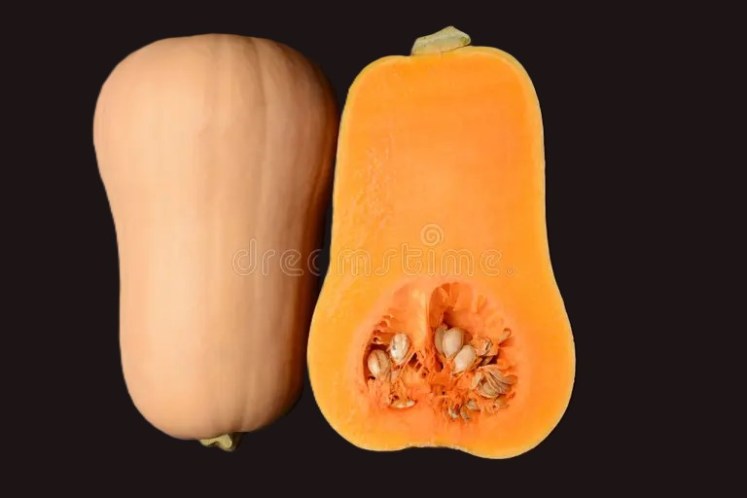
Butternut squash is a type of winter squash known for its sweet, nutty flavor and smooth, creamy texture when cooked. It has a distinctive bell or pear shape, with pale beige skin and deep orange flesh inside. Native to the Americas, it’s part of the gourd family, which also includes pumpkins and zucchinis.
How Does Butternut Squash Benefit Aging
Butternut squash is not just delicious, it’s also fantastic for supporting healthy aging. Here’s a breakdown of the key benefits of butternut squash as it relates to aging.
Butternut Squash Is Rich in Antioxidants
Butternut squash is high in beta-carotene, which the body converts to vitamin A, a powerful antioxidant that helps neutralize free radicals. These free radicals can damage cells and accelerate aging, especially in the skin, eyes, and brain. Antioxidants like beta-carotene support:
Healthier, more resilient skin
Stronger immune function
Reduced risk of age-related chronic diseases
Butternut Squash Supports Brain Health
Butternut Squash contains important nutrients like vitamin B6, folate, and vitamin E, all of which are associated with better cognitive function and a lower risk of age-related cognitive decline, including conditions like dementia or Alzheimer’s.
Butternut Squash Is Heart-Healthy
Aging increases the risk of heart disease, and butternut squash is a heart helper. It’s rich in the following heart-healthy nutrients.
Potassium, which helps regulate blood pressure
Fiber, which helps manage cholesterol levels
Magnesium, which supports cardiovascular health
Butternut Squash Supports Bones
Butternut squash contains manganese, vitamin C, and magnesium, which are all essential for maintaining strong bones and preventing conditions like osteoporosis as we age.
Butternut Squash Protects Eye Health
The beta-carotene (vitamin A) in butternut squash also plays a key role in preventing macular degeneration and other age-related eye diseases. Plus, it contains lutein and zeaxanthin, which are specifically linked to eye protection.
Butternut Squash Supports Digestion
With good fiber content, butternut squash helps maintain a healthy digestive system, which can often slow down with age. It supports regularity and a healthy gut microbiome, both essential for aging well.
Butternut Squash Is Low In Calories and High In Nutrition
As metabolism slows with age, nutrient-dense and lower-calorie foods become more important. Butternut squash provides a lot of nutrition without excess calories or unhealthy fats.
How To Prepare Butternut Squash
Butternut squash is incredibly versatile. It can be used in dozens of ways across savory and sweet dishes. While there’s no exact number, here’s a breakdown of the many ways it can be used in recipes.
Butternut Squash blends well, roasts beautifully, sweetens naturally, and adapts across cuisines from Italian to Thai to American comfort food.
A coconut is the large, hard fruit of the coconut palm tree , which grows in tropical and subtropical regions. It’s a very versatile fruit used for food, drink, oil, and many household or industrial products.
The coconut fruit has several parts: an outer husk, an inner shell, coconut water, coconut meat, and coconut oil. While coconut fruit offers several health benefits, keep in mind that coconut products are high in calories, and coconut oil is high in saturated fat.
Nutritional Benefits For Aging
Coconuts offer several nutritional and functional benefits that support healthy aging. Here are the key ones.
Supports brain health
Coconut oil contains medium-chain triglycerides (MCTs), which are quickly converted into ketone, an alternative energy source for the brain. This may help maintain mental clarity and memory in older adults.
Provides healthy fats for energy
The fats in coconut (especially MCTs) are easier to digest than long-chain fats. They give a quick, sustained energy boost without spiking blood sugar, helpful for staying active with age.
Promotes digestive health
Coconut meat and flour provide dietary fiber, which supports gut health, helps prevent constipation, and maintains a healthy microbiome.
Hydration and electrolyte balance
Coconut water is rich in potassium, magnesium, and sodium, helping with hydration, muscle function, and blood pressure regulation. This is important for heart and kidney health as we age.
Antioxidant protection
Coconuts contain phenolic compounds and vitamin E, which help reduce oxidative stress, a major contributor to aging and age-related diseases.
Supports skin health
Coconut oil is often used topically as a natural moisturizer. It helps keep skin soft, may reduce dryness, and offers mild antimicrobial benefits.
Bone and muscle support
Minerals like manganese, copper, and selenium in coconut contribute to bone strength, collagen formation, and overall resilience.
How Coconut Is Used In Cooking
Coconut is one of the most versatile foods in the kitchen. It can be used in many different ways depending on which part of the fruit you’re using. Here’s a list.
Fresh coconut meat
Eaten raw as a snack.
Grated or shredded and sprinkled over curries, rice, salads, or desserts.
Toasted coconut adds crunch to baked goods, granola, and toppings.
Dried coconut
Dried coconut in cakes, cookies, and candies.
Coconut flour is a gluten free flour alternative for baking.
Coconut flakes/chips provide a snack or topping for oatmeal, yogurt, or smoothie bowls.
Coconut milk and cream
Curries and soups provide a base for Thai, Indian, Caribbean dishes.
Smoothies & drinks offers a creamy, dairy-free substitute.
Baking provides replacement for dairy cream in cakes, puddings, or custards.
A mango is a tropical fruit known for its sweet, juicy flesh and distinctive flavor. There are hundreds of varieties around the world, each having its own texture, flavor, size, color, and harvest season. Mangoes are nutrient-dense and offer significant health benefits. They are easy to add to your diet in lots of delicious ways.
What Is The Nutritional Profile of Mangoes?
Vitamin C, A (beta-carotene), E, K, B9 (Folate), B6
Minerals: Potassium, Magnesium, Copper, Calcium, Iron
Antioxidants: Beta-carotene, Lutein, Zeaxanthin, Mangiferin, Vitamin C
How Do Mangoes Benefit Anti-Aging?
Supports eye health: Mangoes contain vitamin A, lutein, and zeaxanthin—nutrients that protect the retina and reduce the risk of age-related macular degeneration (AMD) and cataracts.
May support brain function: Vitamin B6, vitamin C, and antioxidants in mangoes support cognitive function, neurotransmitter production, and protect against inflammation-related brain aging. Mangiferin has shown neuroprotective effects in early research.
Collagen production and skin health: Vitamin C in mangoes is essential for collagen synthesis, which helps maintain skin elasticity, firmness, and hydration.
Antioxidants also help reduce fine lines, wrinkles, and age spots by minimizing UV damage and oxidative stress.
Heart health support: Small amounts of vitamin K, magnesium, and vitamin C contribute to bone strength and reduce fracture risk as we age.
Vitamin K also supports calcium binding in bones, important for preventing osteoporosis.
Improves digestive health: Mangoes provide soluble and insoluble fiber, which helps maintain regular bowel movements and gut microbiome balance—both crucial for healthy aging. They also contain digestive enzymes (like amylases) that aid in carbohydrate breakdown, easing digestion as enzyme production naturally declines with age.
Anti-inflammatory: Chronic low-grade inflammation (“inflammaging”) is a key driver of age-related disease. Mangoes contain mangiferin, polyphenols, and vitamin C, which help reduce inflammation throughout the body.
How Many Ways Can You Eat Mangoes?
Mangoes can be eaten in many delicious ways: raw, cooked, blended, or dried. How they’re eaten often depends on the ripeness, variety, and cultural traditions. Here’s a complete look at how mangoes are eaten.
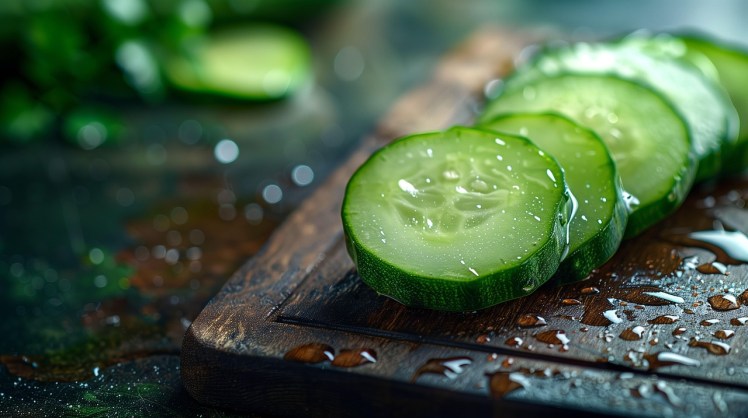
Botanically speaking, a cucumber is a fruit because it develops from the flower of the cucumber plant and contains seeds. By that definition, it’s in the same club as tomatoes, peppers, and squash.
But in the culinary world, cucumbers are treated as vegetables—used in salads, savory dishes, and rarely in desserts—so they wear the veggie badge in the kitchen.
So, depending on whether you’re a botanist or a chef, the cucumber plays both roles.
Aging and Cucumbers
Cucumbers may seem humble, but they’ve got some serious superpowers, especially when it comes to aging gracefully. Cucumbers offer a refreshing way to support healthy aging thanks to their unique blend of nutrients and antioxidants. Some of the rejuvenating benefits include Hydration and Skin Health, Bone Support, Antioxidant Effects, Heart and Blood Pressure Benefits, Weight and Digestion.
What Is The Nutritional Profile of Cucumbers?
Cucumbers are 95% water, but they pack a surprising punch of nutrients and beneficial compounds. Here’s a breakdown of what you’ll find in them.
Vitamins
Vitamin K: Supports blood clotting and bone health.
Vitamin C: Antioxidant that boosts immunity and skin health.
Vitamin A: Helps with vision, immunity, and o.rgan function.
B Vitamins: B1 (thiamin), B2 (riboflavin), B3 (niacin), B5 (pantothenic acid), B6, and folate (B9), support energy metabolism and brain function.
Vitamin E: Antioxidant that protects cells from damage.
Minerals
Potassium: Helps regulate blood pressure and fluid balance.
Magnesium: Supports muscle and nerve function.
Calcium: Essential for bones and teeth.
Phosphorus: Works with calcium for bone health.
Iron: Important for oxygen transport in the blood.
Zinc: Supports immune function and wound healing.
Copper, Manganese, Selenium: Trace minerals with various roles in metabolism and antioxidant defense.
Antioxidants & Phytochemicals
Cucurbitacins: Plant compounds with potential anti-cancer properties.
Fisetin: A flavonoid with anti-inflammatory and neuroprotective effects.
Lignans: May support heart health and reduce cancer risk.
Beta-carotene, lutein, zeaxanthin: Supports eye health and fight oxidative stress.
Other Benefits
High water content (about 95%): Excellent for hydration.
Low in calories and sugar: Great for weight management.
Dietary fiber: Especially in the peel, helps digestion and gut health.
How To Prepare Cucumbers
Cucumbers are incredibly versatile in the kitchen. They have a cool, crisp texture and can be combined with just about any flavor profile. Here’s a short list of culinary uses of cucumbers.
Botanically, tomatoes are classified as a fruit since they contain seeds and grow from flowers. In cooking, tomatoes are treated as a vegetable. Tomatoes grow on vines and are native to South America. They were domesticated in Mexico.
What Are The Health Benefits of Eating Tomatoes?
Tomatoes are loaded with health supporting vitamins and nutrients. Here is a list of the benefits you get when including tomatoes in your diet.
Cancer Prevention: Lycopene and beta-carotene may reduce the risk of prostate, lung, and stomach cancers.
Eye Protection: Lutein and zeaxanthin help shield eyes from blue light and reduce macular degeneration risk.
Skin Defense: Lycopene may offer mild protection against UV damage from the inside out.
Anti-Inflammatory: Vitamin C and other antioxidants help reduce inflammation and support immune function.
Cognitive Support: Carotenoids in tomatoes may help protect against dementia and cognitive decline.
What Are The Nutritional Benefits of Tomatoes?
Tomatoes are considered a low glycemic food, with a low index of 30. They are also very low in calories. A medium tomato contains about 32 calories.
Vitamins: A, E, B6, B3 Niacin, B1 Thiamine, B2 Riboflavin, B9 Folate, C, K1, and Choline.





 Irene Pastore Fitness.com