Understanding Buckwheat: A Gluten-Free Alternative


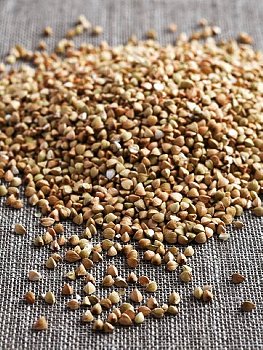
Buckwheat is not a grain, a cereal, or a grass, and it’s not related to wheat. Buckwheat is a triangular shaped seed related to rhubarb and sorrel. It looks and acts like a grain and has a hearty, nutty flavor.

To make things confusing, it is often referred to as a grain.

Buckwheat is a good substitute for wheat or grains containing gluten.  It cooks quickly, and is highly nutritious. Great news for those who are wheat or gluten sensitive.

Buckwheat is sold either raw or toasted. It can be mixed with rice, or other grains or seeds. Toasted Buckwheat sometimes called kasha,  has a more nutty flavor than raw buckwheat.  Either way it’s a wonderful side dish when sauteed with onions.

How To Cook With Buckwheat
  • Buckwheat Bread: Bake bread with buckwheat flour.
  • Buckwheat Morning Cereal: Cook raw, or toasted buckwheat seeds in water to make cereal.  Add fruit, cinnamon, salt, maple syrup, and hemp milk according to taste.
  • Buckwheat Pancakes: Use buckwheat flour for morning pancakes.  
  • Buckwheat Side Dish: Combine either cooked raw buckwheat, or cooked toasted buckwheat with sauteed onions, for a delicious side dish.
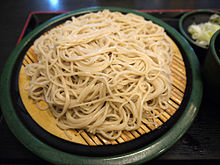
  • Japanese Buckwheat Noodles: Prepare the noodles. Serve with sauteed vegetables.

Why Older Adults Need Core Strength

INJURIES FROM FALLS ARE INCREASING

Falls in older adults are becoming more common. Seniors who fall, may suffer serious injury, or death.

Falling down isn’t a natural part of aging.  It doesn’t have to happen. Prevention can go a long way to protect you.

Once injured from a fall, many older adults develop a fear of falling again. They may limit their activities, hoping to prevent another fall.

THE STORY OF JULIAN SACKS

After taking a fall in the New York City subway in 2008, Julian Sacks fell again. He lost interest in life, stopped eating, and died.  The story was reported on ABC News.

STATISTICS FROM THE CENTERS FOR DISEASE CONTROL

  • Every year 1 out of 3 adults 65 and over falls.
  • 20 to 30 percent of people who fall, suffer moderate to severe injuries, such as cuts and bruises, fractured hips, and head injuries.
  • The most common areas subject to breaks, are the pelvis, spine, forearm, leg, hip, upper arm, and hand.
  • Most fatal falls occur at home.

HOW CORE TRAINING HELPS SENIORS

  • A stronger core means you’re more stable, while going about your daily activities. 
  • Strengthening core muscles helps to maintain your independence.
  • Core strength improves your balance. You’re going to stop falling.
  • Life becomes more pleasant, when you lose your fear of taking a fall.

Copyright 2013 Irene Pastore and Blue Moon Personal Training