Climbing Mt. Everest: Apa Sherpa, Nepalese Mountaineer and Climbing Guide

Apa Sherpa is a Nepalese mountaineer and guide, known for his climbing record of 21 successful summits on Mt. Everest. Apa Sherpa Foundation is his website. In this video, Apa Sherpa talks about the risks of avalanches, crevices and icefalls while climbing the world’s highest mountain, and the precautions taken to avoid injury and death. He also discusses the Puja ceremony prior to climbing, honoring the mountain known as Chomolungma, Goddess Mother of the World.


Irene Pastore, is a Certified Personal Trainer, fitness blogger, health educator, and speaker. She has 23 years experience teaching exercise in New York City. To read her complete bio, visit the About Page.

Climbing Mt. Everest: Dave Hahn, American Mountaineer

Dave Hahn is an American professional mountain guide. He participated in the expedition that discovered the remains of George Mallory, the British mountaineer who perished on Mt. Everest in 1924. Since the publication of this video, Dave Hahn accomplished another Everest summit, bringing the total to 15. Read more about Dave Hahn’s climbing achievements at RMI Expeditions and New Mexico Magazine.


Irene Pastore, is a Certified Personal Trainer, fitness blogger, health educator, and speaker. She has 23 years experience teaching exercise in New York City. To read her complete bio, visit the About Page.

Hiking Accident Prevention: New Hampshire Rise In Backcountry Search and Rescue Report October 2020


Growing Ranks of Unprepared Hikers Need Rescue


Outdoors.org 10/26/20 Officials: Mountain Search And Rescue Went Up As The Unprepared Went Out, By Miles Howard

Pictured left: Mt. Washington – The highest peak in New Hampshire. Elevation 6,288 Feet


KNOW BEFORE YOU GO: Trip Planning Resources For Hikers And Backpackers


Irene Pastore, is a Certified Personal Trainer, fitness blogger, health educator, and speaker. She has 23 years experience teaching exercise in New York City.  To read her complete bio, visit the About Page.  

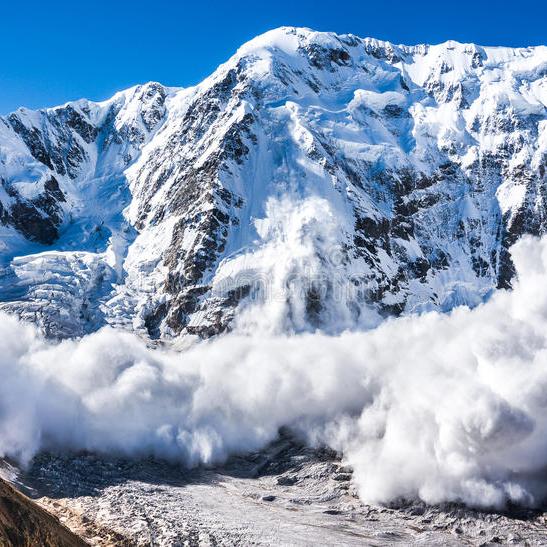
Hiking Accidents: Avalanche Fatalities Rising In the U.S. February 2021

Fatal Mountain Accidents During The Pandemic

LINK TO ARTICLE


More News Stories

12NewsNow February 7, 2021 – Colorado fatalities part of nation’s deadliest week for avalanches in more than century, Author: Makayla Richards

Achorage Daily News February 9, 2021 – Avalanche carried 3 men down steep gully Tuesday and killed them, report says, Author: Tess Williams

The New York Times – February 9, 2021 – Covid Restrictions Might Factor Into Avalanche Deaths, Experts Say, By John Branch

The Washington Post – February 6, 2021 Utah police: Avalanche killed 4 local backcountry skiers, By Lindsay Whitehurst | AP

Surrey-Now Leader January 22, 2021B.C.’s busiest SAR team raises alarm after 2021 begins with fatality, multiple rescues, By Sarah Grochowski


Irene Pastore is a native New Yorker, health and fitness blogger, and personal trainer. She owns this website, and authors each blog post. To read her complete bio, visit the About Page.

Hiking Accident Prevention: Safe Trip Planning Know Before You Go

Trip Planning Resources For Hikers and Backpackers


Backcountry trip planning is crucial for your safety. Before your trip, check the weather conditions.  In some areas, typical weather patterns  may display an abrupt drop in temperature, sudden rain, or snowfall. 

FOREST TRAIL IN WINTER

Choose trails that match your health and fitness skills.  Learn about seasonal trail conditions, and crossings.

Whether you’re planning a day, an overnight trip, or longer trek, preparation is key while traveling the backcountry. Advance planning can save your life.  Learn trail survival skills before you go.

Start your trip early, in order to allow sufficient daylight for your journey. Check the weather report. If it doesn’t look good, plan an alternative trail with better conditions.

If you decide to hike in extreme weather, you’ll need to spend more time preparing for your trip. Study the trails, and check up-to-the-minute weather reports, warnings and alerts. While on your trip, if things get bad, turn around and head back. It isn’t worth risking your life. There’s always another day, and another trail. But you only have one life.

NATIONAL PARKS, FORESTS AND WEATHER

Slot canyon in Utah
SLOT CANYON UTAH

The National Park Service: A federal government website that provides information about current weather, trail conditions, warnings, alerts, and news. Safety Tips from the NPS.

U.S. Forest Service: A federal government website that provides information about visiting national forests for multiple outdoor activities.

National Weather Service: A federal government agency that provides weather forecasts, and warnings of all types of hazardous weather conditions affecting the public.


This is a partial list of state websites that provide information about current weather, trail conditions, warnings, alerts, and news about parks and recreation areas. To find additional state parks websites, use the name of the state, followed by the keywords state parks.


StateParks.com: A non-government website to American State Parks.

Hike-NewEngland.com: A non-government website to an online trail guide for New England.

Appalachian Mountain Club: Trip planning, conservation, education, guided adventures.

Adirondack Almanack: Adirondack Explorer’s Online News Journal. Covers regional history, arts, nature, food, and news. The Adirondack Mountains are located in New York State.


Irene Pastore, is a Certified Personal Trainer, fitness blogger, health educator, and speaker. She has 25 years experience teaching exercise in New York City. Visit the About Page to read her bio.

Hiking Accident Prevention Series: Appalachian Trail Safety Tips


Hiking Advice From the Appalachian Trail Conservancy


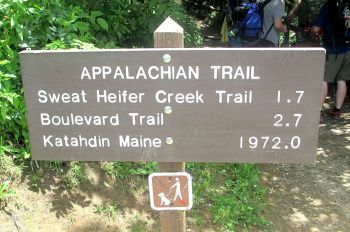
 The Appalachian Trail is approximately 2,190 miles long. It crosses 14 states, 6 national parks, and 8 national forests. The trail begins at Springer Mountain, Georgia, and ends at Mount Katahdin, Maine.  


H I K I N G  S A F E T Y  T I P S

Don’t hike alone. You are safest with a group; neither a single partner nor a dog is a guarantee of safety. Be creative.  If in doubt, move on.  Always trust your instincts about other people.

Leave your hiking plans with someone at home and check in frequently. Establish a time you will check in upon completion of your trip, as well as a procedure to follow if you fail to check in. On longer hikes or thru-hikes, provide ATC’s number, 304-535-6331.

Be wary of strangers. Be friendly, but cautious. Don’t tell strangers your plans. Avoid people who act suspiciously, seem hostile, or are intoxicated.

Don’t camp near roads. Be aware that anywhere people congregate — including shelters and designated campsites — may have greater risk.  When tenting, find a location not easily seen from the trail.

Don’t camp near roads. Be aware that anywhere people congregate — including shelters and designated campsites — may have greater risk. When tenting, find a location not easily seen from the trail.

• The Appalachian Trail Conservancy discourages the carrying of firearms.

Eliminate opportunities for theft. Don’t bring jewelry. Hide your money. If you must leave your pack, hide it, or leave it with someone trustworthy.

Use the Trail registers (the notebooks stored at most shelters). If someone needs to locate you, or if a serious crime has been committed along the trail, the first place authorities will look is in the registers.

In an emergency, note where you are and call 911.  Report emergencies or incidents to ATC at incident@appalachiantrail.org or by calling 304-535-6331. Suspicious or illegal behavior should be reported to the local rangers or local law enforcement (911 usually works, but other phone numbers are on official AT maps) as well as ATC.

Be mentally prepared for the risks you may encounter. If you encounter trouble, chances are a law enforcement officer or ranger will not be nearby and a cellphone may not work.

Always  a carry current trail maps and know how to use them.

Stay alert. Pay attention to details of your surroundings and people you encounter, and look for anything that does not fit or sends a red flag. It is easier to avoid getting into a dangerous situation than to get out of one. Trust your instincts about strangers.

Avoid hitchhiking or accepting rides: Hikers needing to get into town should make arrangements beforehand and budget for shuttles or a taxi.

WEATHER  RELATED  HIKING  SAFETY  TIPS

Pay attention to the changing skies. Sudden spells of “off-season” cold weather, hail, and even snow are common along many parts of the Appalachian Trail. Winter-like weather often occurs in late spring or early fall in the Southern Appalachians, Vermont, New Hampshire and Maine.

Hypothermia: A cold rain can be the most dangerous weather for hikers, because it can cause hypothermia, a dangerous lowering of the body’s core temperature due to exposure to cold, wind and rain chill. Dress in layers of synthetic clothing, eat well, stay hydrated, and know when to take refuge in a warm sleeping bag and tent or shelter.

Lightning: The odds of being struck by lightning are low, but if a thunderstorm is coming, immediately leave exposed areas. Boulders, rocky overhangs, and shallow caves offer no protection from lightning.

Sheltering in hard-roofed automobiles or large buildings is best. Avoid tall structures, such as ski lifts, flagpoles, power line towers, and the tallest trees, solitary rocks, or open hilltops and clearings. If caught in the open, crouch down on a pad, or roll into a ball.

Heat: Dry hot summers are surprisingly common along the trail. Water may be scarce on humid days, sweat does not evaporate well, and many hikers face the danger of heat stroke and heat exhaustion if they haven’t taken proper precautions. Wear a hat and sunscreen and stay well hydrated.

Source: Appalachian Trail Conservancy www.appalachiantrail.org.