Hiking Accident Prevention: New Hampshire Rise In Backcountry Search and Rescue Report October 2020


Growing Ranks of Unprepared Hikers Need Rescue


Outdoors.org 10/26/20 Officials: Mountain Search And Rescue Went Up As The Unprepared Went Out, By Miles Howard

Pictured left: Mt. Washington – The highest peak in New Hampshire. Elevation 6,288 Feet


KNOW BEFORE YOU GO: Trip Planning Resources For Hikers And Backpackers


Irene Pastore, is a Certified Personal Trainer, fitness blogger, health educator, and speaker. She has 23 years experience teaching exercise in New York City.  To read her complete bio, visit the About Page.  

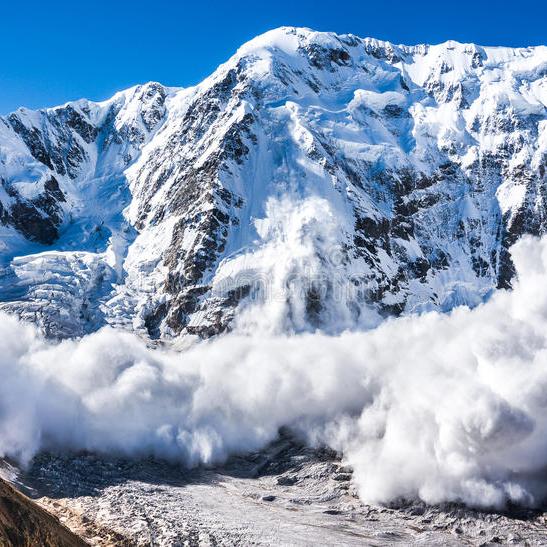
Hiking Accidents: Avalanche Fatalities Rising In the U.S. February 2021

Fatal Mountain Accidents During The Pandemic

LINK TO ARTICLE


More News Stories

12NewsNow February 7, 2021 – Colorado fatalities part of nation’s deadliest week for avalanches in more than century, Author: Makayla Richards

Achorage Daily News February 9, 2021 – Avalanche carried 3 men down steep gully Tuesday and killed them, report says, Author: Tess Williams

The New York Times – February 9, 2021 – Covid Restrictions Might Factor Into Avalanche Deaths, Experts Say, By John Branch

The Washington Post – February 6, 2021 Utah police: Avalanche killed 4 local backcountry skiers, By Lindsay Whitehurst | AP

Surrey-Now Leader January 22, 2021B.C.’s busiest SAR team raises alarm after 2021 begins with fatality, multiple rescues, By Sarah Grochowski


Irene Pastore is a native New Yorker, health and fitness blogger, and personal trainer. She owns this website, and authors each blog post. To read her complete bio, visit the About Page.

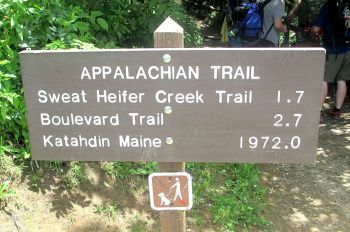
Hiking Accident Prevention Series: Appalachian Trail Safety Tips


Hiking Advice From the Appalachian Trail Conservancy


 The Appalachian Trail is approximately 2,190 miles long. It crosses 14 states, 6 national parks, and 8 national forests. The trail begins at Springer Mountain, Georgia, and ends at Mount Katahdin, Maine.  


H I K I N G  S A F E T Y  T I P S

Don’t hike alone. You are safest with a group; neither a single partner nor a dog is a guarantee of safety. Be creative.  If in doubt, move on.  Always trust your instincts about other people.

Leave your hiking plans with someone at home and check in frequently. Establish a time you will check in upon completion of your trip, as well as a procedure to follow if you fail to check in. On longer hikes or thru-hikes, provide ATC’s number, 304-535-6331.

Be wary of strangers. Be friendly, but cautious. Don’t tell strangers your plans. Avoid people who act suspiciously, seem hostile, or are intoxicated.

Don’t camp near roads. Be aware that anywhere people congregate — including shelters and designated campsites — may have greater risk.  When tenting, find a location not easily seen from the trail.

Don’t camp near roads. Be aware that anywhere people congregate — including shelters and designated campsites — may have greater risk. When tenting, find a location not easily seen from the trail.

• The Appalachian Trail Conservancy discourages the carrying of firearms.

Eliminate opportunities for theft. Don’t bring jewelry. Hide your money. If you must leave your pack, hide it, or leave it with someone trustworthy.

Use the Trail registers (the notebooks stored at most shelters). If someone needs to locate you, or if a serious crime has been committed along the trail, the first place authorities will look is in the registers.

In an emergency, note where you are and call 911.  Report emergencies or incidents to ATC at incident@appalachiantrail.org or by calling 304-535-6331. Suspicious or illegal behavior should be reported to the local rangers or local law enforcement (911 usually works, but other phone numbers are on official AT maps) as well as ATC.

Be mentally prepared for the risks you may encounter. If you encounter trouble, chances are a law enforcement officer or ranger will not be nearby and a cellphone may not work.

Always  a carry current trail maps and know how to use them.

Stay alert. Pay attention to details of your surroundings and people you encounter, and look for anything that does not fit or sends a red flag. It is easier to avoid getting into a dangerous situation than to get out of one. Trust your instincts about strangers.

Avoid hitchhiking or accepting rides: Hikers needing to get into town should make arrangements beforehand and budget for shuttles or a taxi.

WEATHER  RELATED  HIKING  SAFETY  TIPS

Pay attention to the changing skies. Sudden spells of “off-season” cold weather, hail, and even snow are common along many parts of the Appalachian Trail. Winter-like weather often occurs in late spring or early fall in the Southern Appalachians, Vermont, New Hampshire and Maine.

Hypothermia: A cold rain can be the most dangerous weather for hikers, because it can cause hypothermia, a dangerous lowering of the body’s core temperature due to exposure to cold, wind and rain chill. Dress in layers of synthetic clothing, eat well, stay hydrated, and know when to take refuge in a warm sleeping bag and tent or shelter.

Lightning: The odds of being struck by lightning are low, but if a thunderstorm is coming, immediately leave exposed areas. Boulders, rocky overhangs, and shallow caves offer no protection from lightning.

Sheltering in hard-roofed automobiles or large buildings is best. Avoid tall structures, such as ski lifts, flagpoles, power line towers, and the tallest trees, solitary rocks, or open hilltops and clearings. If caught in the open, crouch down on a pad, or roll into a ball.

Heat: Dry hot summers are surprisingly common along the trail. Water may be scarce on humid days, sweat does not evaporate well, and many hikers face the danger of heat stroke and heat exhaustion if they haven’t taken proper precautions. Wear a hat and sunscreen and stay well hydrated.

Source: Appalachian Trail Conservancy www.appalachiantrail.org.


World’s Most Dangerous Path Open for Hiking


Known as the world’s most dangerous path, El Caminito del Rey, is newly restored and now open to the public.


The King’s Little Pathway, is a walkway, located along the walls of a narrow gorge, in the village of El Chorro, near Malaga Spain.  The path rises 328 feet above the river below, and is the site where 5 hikers plunged to their death between 1999 and 2000.

Comprised of board walks, forest paths, and walkways, and characterized by long distance, and steep slopes, the estimated time for the full 7.7 km (4.7 miles) length of the linear hike, is between 4 and 5 hours.   In some sections the path is no more than a yard wide.  El Caminito del Rey reopened in March 2015.

If you’re venturing out on this path, better be sure you know what you’re doing.  Wear proper clothing and footwear, know the upcoming weather conditions, bring plenty of water, food, and first aid.  And, never hike alone.

For more information on planning a trip to El Caminito, go to:  www.caminitodelrey.info.

Copyright 2015 Irene Pastore, and Tour De Core Personal Training

Brooklyn Man Dies Hiking Alone in Mexico

Fatal hiking fall.

Exercise shouldn’t kill you.  Most people would agree with that. But the reality is that exercise does kill, when you’re not prepared, don’t understand the risks, or your fitness level isn’t up to the task.

MOTHER NATURE DOESN’T FORGIVE

If you’re out in the wilderness, on a rocky hillside, riding the rapids, or up on a mountain, you need a plan, and know what you’re doing, because the mountains don’t care, and hikes can turn deadly.

Get a grip. Wear appropriate footwear. Obey trail signs and don’t wander off.

Hiking alone in Mexico, 25 year-old Hari Simran Singh Khalsa of Brooklyn, New York, was found dead on January 2.  Missing since December 30, his body was found in a ravine near the town of Tepoztlan.

Khalsa told his wife that he planned to go on a short hike, and in a later message told her he walked further than intended, and also told friends that he climbed too high onto another mountain by mistake.

His family said he died of head injuries from a fall over rough terrain, in the Tepozteco Mountains.

In his last text message to a friend, he said that he was on top of a very high mountain, and not sure how to get down.  He had a liter (about 4 cups) of water and a bag of trail mix.

Study maps. Know where you’re going, and what to expect.

10 HIKING TIPS TO PREVENT ACCIDENTS

  1. Get in shape.  Strengthen your core.
  2. Learn about the terrain.
  3. Check the weather forecast before you set out.
  4. Wear proper clothing, and footwear for the anticipated weather conditions, and terrain..
  5. Carry enough water and food for your trip.
  6. Don’t hike alone.
  7. As you ascend, make note of your ability to descend.  If you think you won’t be able to navigate the terrain safely on the way down, turn around and go back.
  8. Study maps of the hiking trails before setting out on your trip.
  9. Keep in mind that in remote areas, your cell phone is useless.
  10. Know what type of wildlife you may encounter.

CORE STRENGTH MAY SAVE YOUR LIFE

A strong core prevents falls, by stabilizing your spinal muscles.  Instead of landing on your head, back, or knees, you’ll remain upright, whether you’re walking on icy pavement in a city street, or engaged in wilderness sports and recreation activities.

Here’s a list of related articles about outdoor recreation safety.

How To Exercise Your Core

Strong Core Muscles Can Save Your Life

How To Kill Yourself In A Kayak,

How To Prevent Hiking Accidents.

Copyright 2015 Irene Pastore and Tour De Core Personal Training


Fox News Producer In Fatal Hiking Accident

Martin Burns, a Fox KTTV investigative producer and writer, died on August 25 in a hiking accident in the foothills above Altadena, California.  He was 56 years old.

Hiking alone in the Los Angeles National Forest, his body was discovered by another hiker, at the bottom of a steep ravine, below the trail that leads to Inspiration Point.

Copyright 2013 Irene Pastore, and Blue Moon Personal Training