“Transform your space into a serene oasis with this calming relaxation music. The soft glow of candles, soothing melodies, and a peaceful ambiance will help you unwind, de-stress, and find your inner calm. Whether you’re meditating, enjoying a spa moment, or simply relaxing after a long day, this video provides the perfect atmosphere for tranquility.“
Portobello mushrooms, are large, fully grown cremini or baby bella mushrooms. They have a brown or beige cap that averages about 6 inches in diameter. Flavor and consistency is earthy, meaty and somewhat nutty. Portobello mushrooms are commonly served grilled, broiled, stuffed, and as a meat substitute in sandwiches and burgers. Mushrooms are in the fungi family.
Portobello Mushroom Nutrition
Portobello mushrooms are low in calories and contain no fat. Their Glycemic Index falls between 10 to 15. They are a very good source of B Vitamins, Phosphorus, Selenium, Copper and Potassium. They also contain polysaccharides, polyphenols, and carotenoids, which may have anti-inflammatory, antioxidant, and anticancer properties.
How To Prepare Portobello Mushrooms
Grilled
Marinated in herbs and vinegar and then grill or sauté.
“From the highest mountains to the deepest rivers, this blockbuster series takes you on an unforgettable journey through the daily struggle for survival in Earth’s most extreme habitats. Planet Earth takes you to places you have never seen before, to experience sights you may never experience anywhere else”.
Butternut Squash is commonly used as a vegetable. Botanically it’s actually a fruit. The skin is tan to yellow with an bright orange fleshy pulp that contains seeds. Butternut Squash a carbohydrate food. It is related to pumpkin, zucchini and calabaza squash.
Butternut Squash has a low glycemic index of 51. It is also low in calories measuring out at 80 calories in one cup. Eating low glycemic helps you manage blood sugar and weight. It is rich in vitamins, minerals and disease-fighting antioxidants.
Health Benefits
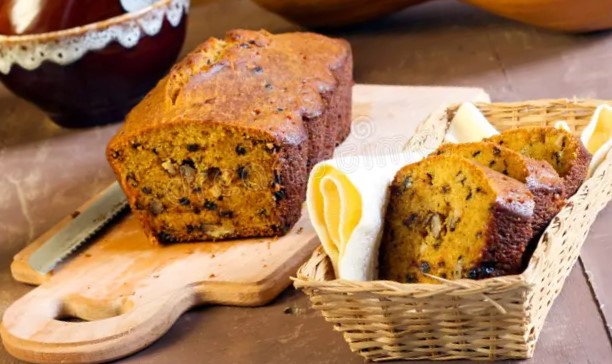
Butternut Squash Loaf Bread
Protects against heart disease
Supports immune system
Excellent for eye health
Hydration
Helps to manage blood pressure
Balances blood sugar
Butternut Squash Nutrition
Vitamin A, C, E, B1, B3, B6, B9
Vitamin C
Magnesium
Potassium
Calcium
Fiber
Carotenoids
How To Prepare Butternut Squash
Cut into cubes and boil in water.
Cut into cubes and oven roast.
Cut into cubes, boil in water and mash with a fork.
Cut cooked squash into pieces and puree in a food processor.
Puree cooked squash and use it in soups, sauces and dips.
Health Policy Institute’s Grim Report On Aging and Obesity
” Some 15 million older adults — people over the age of 51 — are obese. This represents nearly one in four older adults. While obesity itself is not a chronic condition, it is a risk factor for many chronic conditions, including four of the ten leading causes of death in the U.S. — coronary heart disease, type II diabetes, stroke and several forms of cancer.”
Did You Know That
Disability rates are higher among adults who are obese.
Obese older adults are more likely to be severely disabled than those who are not obese.
Older adults who are obese are more likely to suffer from persistent and chronic symptoms of illness.
22 percent of obese adults age 51 to 69 say they frequently feel severely fatigued or exhausted.
Older obese adults are more likely than older non-obese adults to have difficulty or be unable to participate in activities such as walking any distance, going shopping, or attending movies, parties, or other social events.
Source: Georgetown University Health Policy Institute



 Irene Pastore Fitness.com