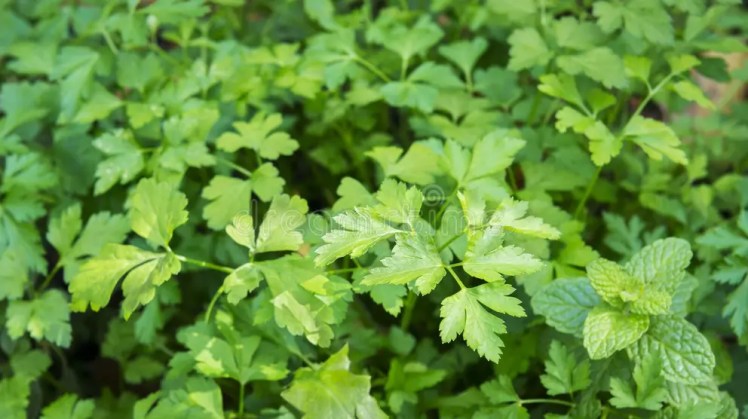
Cilantro, also known as coriander leaves, is a fragrant herb widely used in global cuisine. It has a zesty, bright, spicey flavor that enhances dishes like guacamole, salsa, curries, and stir-fries. It is usually eaten raw, but can be blended into soups, stews, or marinades.
Health Benefits
Cilantro is packed with antioxidants and may help remove heavy metals like mercury and lead from the body. It contains vitamins K, C, and A, along with minerals like iron and magnesium, supporting heart health, digestion, and even sleep quality.
Vitamin C: A powerful antioxidant that boosts immunity and skin health.
Vitamin K: Essential for blood clotting and bone health.
Vitamin A: Supports vision, immune function and skin health.
Folate: Important for cell growth and metabolism.
Manganese: Supports metabolism and bone health.
Iron: Vital for oxygen transport in the blood.
Magnesium: Plays a role in muscle and nerve function.
Potassium: Helps regulate blood press and muscle function.
Kaempferol: Linked to anti-cancer properties.
Dodecenal: Has antimicrobial effects, potentially protecting against foodborne illnesses.
Quercetin: May help reduce inflammation and support heart health.
Popular Uses In Cooking
Indian & Thai Dishes: Used in chutneys, curries, and soups.
Mexican Cuisine: Essential ingredient in salsa, guacamole, and tacos.
Salads & Dressings: Adds brightness to vinaigrettes and coleslaw.
Rice & Stir-Fries: Enhances flavor when mixed with lime or soy sauce.
Seafood & Meats: Often paired with shrimp, chicken, or grilled meats.
Storage and Preparation
To keep cilantro fresh, store it in a jar of water covered with a plastic bag in the refrigerator. It should last about a week. When cleaning, gently rinse the leaves under cold water to avoid tearing them.
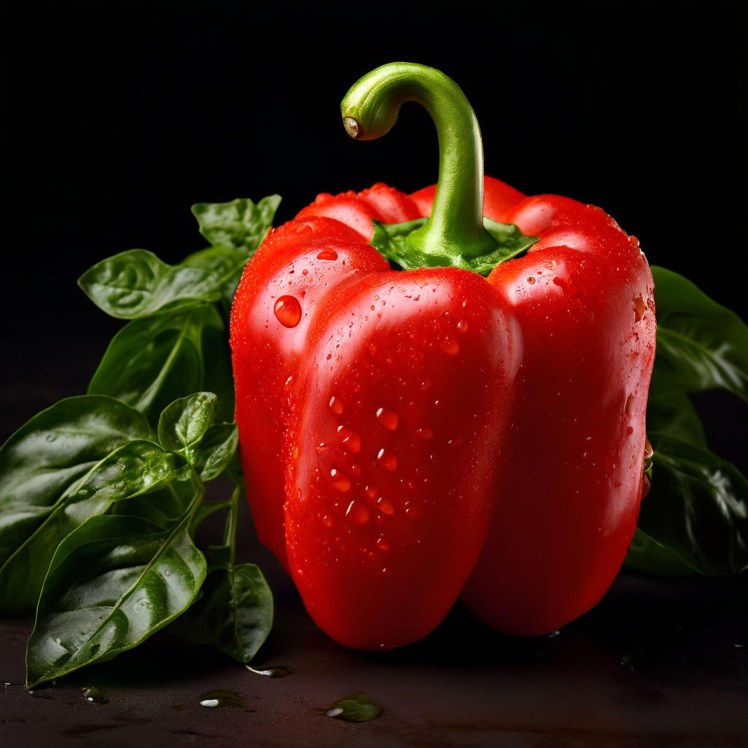
Red bell peppers are vibrant, sweet-tasting vegetables that belong to the Capsicum annuum species. They start out as green bell peppers and gradually turn red as they fully ripen, which makes them sweeter and more nutrient-dense.
What Are The Health Benefits of Red Bell Peppers?
Red bell peppers are packed with nutrients and offer a variety of health benefits.
High in water content: Around 92% water.
Rich in vitamins:
Vitamin C: One medium red bell pepper provides nearly 190% of the daily recommended intake.
Vitamin A: Supports eye health and immune function.
Vitamin B6: Important for red blood cell formation.
Vitamin E & K: Essential for skin, muscle, and bone health.
Rich in antioxidants that help fight oxidative stress.
Contains carotenoids like capsanthin, lutein, and zeaxanthin, which help protect against blue light damage.
Provides fiber, which supports gut health.
How To Prepare Red Peppers?
Roasted: Roasting enhances their sweetness—great for soups, sauces, or as a pizza topping.
Grilled: Adds a smoky flavor, perfect for fajitas or Mediterranean dishes.
Stuffed: Fill them with rice, meat, or veggies for a hearty meal.
Sautéed: A quick way to add color and flavor to stir-fries, pasta, or omelets.
Pickled: Preserves their flavor for use in sandwiches or antipasto platters.
Many Americans are traveling to Mexico for dental care due to the significant cost savings and high-quality treatment options available. Here’s why this trend is growing.
Key Reasons for Dental Tourism in Mexico
Lower Costs – Dental procedures in Mexico can be 40% to 70% cheaper than in the U.S.. For example, an all-on-4 dental implant costs around $8,110 in Mexico, compared to $24,000 in the U.S.
Quality Care – Many Mexican dentists are board-certified and trained internationally, offering modern facilities and advanced procedures.
Convenient Locations – Border towns like Los Algodones and tourist destinations like Cancún cater specifically to dental tourists.
All-Inclusive Packages – Clinics offer bundled deals that include consultations, treatment, accommodations, and transportation, making the process seamless.
Short Wait Times – Unlike the U.S., where appointments can take weeks, Mexican clinics often provide same-day or next-day treatments.
This is an hour long music video to instill peace and comfort. Take time for relaxation by listenng to the gentle sounds of harp music for better sleep, and meditation.


 Irene Pastore Fitness.com