Health Benefits of Cauliflower: A Low Glycemic Superfood


Cauliflower

A Beautiful Fresh Head Of Cauliflower


What Is Cauliflower?

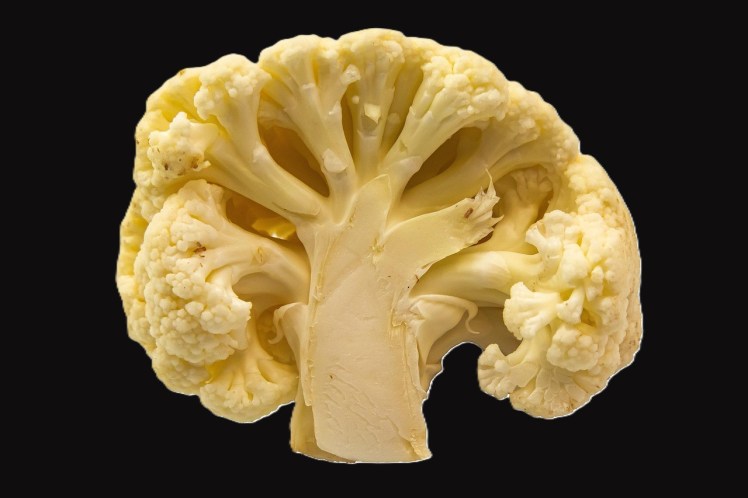
Cauliflower is a nutrient dense cruciferous vegetable. Cruciferous vegetables are part of the Brassicaceae family and include a variety of vegetables such as broccoli, cabbage, kale, bok choy, and Brussels sprouts.

Cauliflower has a mild somewhat sweet taste and looks a lot like broccoli. Cauliflower is grown in four varieties: orange, purple, green and white.

Cauliflower varieties arranged in a wooden bowl.

Cauliflower Is A Superfood

A superfood has a high nutritional profile and provides substantial amounts of vitamins, minerals and antioxidants while being low in calories. Cauliflower has a Glycemic Index of 15, which classifies it as a low glycemic food.

Cauliflower Is Nutrient Dense

Cauliflower contains the following nutrients.
  • Vitamin C
  • Vitamin K
  • Vitamin B6
  • Calcium
  • Magnesium
  • Phosphorus
  • Potassium
  • Manganese
  • Choline
  • Folate
  • Pantothenic Acid
  • Antioxidants
  • Fiber

How To Prepare Cauliflower

There are many ways to prepare cauliflower. Here are just a few.

  • Cauliflower Rice
  • Cauliflower Pizza Crust
  • Cauliflower Hummus
  • Mashed Cauliflower
  • Cauliflower Tortillas
  • Cauliflower Mac & Cheese

The Nutritional Benefits of Corn On The Cob


Corn On The Cob


Is Corn On The Cob A Vegetable?

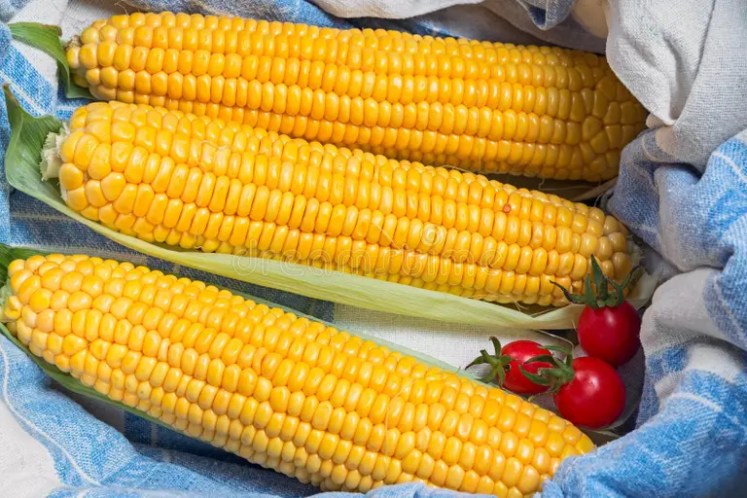
Botanically, corn is a grain. In culinary terms corn is referred to as a vegetable, but it’s also considered a fruit.

Corn is starchy, high in carbs, fiber and vitamins, and low in protein and fat. It ranks 52 on the Glycemic Index , giving it a moderate to low ranking. The fiber content is both soluble and insoluble. One large ear of corn contains 123 calories, about the same as one large banana.

Corn Nutrition

Corn is a part of a healthy diet and contains the following vitamins, and essential minerals.

A Bowl of Corn on the Cob
  • Vitamin C
  • Thiamine
  • Folate
  • Potassium
  • Vitamin A
  • Vitamin B6
  • Manganese
  • Phosphorus
  • Zinc
  • Iron
  • Magnesium
  • Vitamin E
  • Carotenoids

The Benefits of Eating Sweet Potatoes


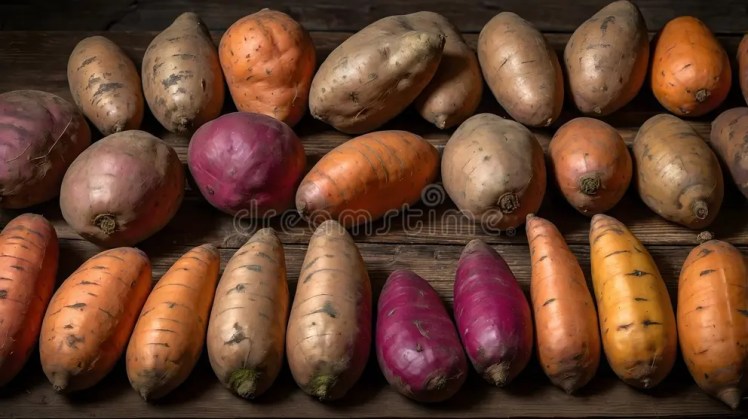
Varieties of sweet potatoes arranged on a tray.

Varieties of Sweet Potatoes


What Are Sweet Potatoes?

What comes to mind when asked about sweet potatoes? You’d most likely think of an orange sweet tasting potato that’s served at Thanksgiving. According to the United States Sweet Potato Council, there are hundreds of sweet potato varieties. These varieties are divided into five basic types.

Mashed Sweet Potatoes Topped With A Pat of Butter

Varieties of Sweet Potatoes

  1. Orange skin with orange flesh
  2. Red skin with orange flesh
  3. Yellow skin with white flesh
  4. Purple skin with white flesh
  5. Purple skin with purple flesh

Sweet potatoes are root tubers that grow beneath the ground. Known as the Orange Superfood, they are high in Vitamin A.

How To Prepare Sweet Potatoes

There are several ways to prepare sweet potatoes. They can be baked, microwaved, steamed, boiled, sautéed, fried, or grilled. Also they are safe to eat raw.

Sweet Potato Nutritional Benefits

  • Vitamin A
  • Vitamin C
  • Calcium
  • Iron
  • Magnesium
  • Phosphorus
  • Potassium
  • Thiamin
  • Zinc