Health Benefits of Butternut Squash


Butternut Squash

What Is Butternut Squash?

Butternut Squash Cross Section

Butternut Squash is commonly used as a vegetable. Botanically it’s actually a fruit. The skin is tan to yellow with an bright orange fleshy pulp that contains seeds. Butternut Squash a carbohydrate food. It is related to pumpkin, zucchini and calabaza squash.

Butternut Squash has a low glycemic index of 51. It is also low in calories measuring out at 80 calories in one cup. Eating low glycemic helps you manage blood sugar and weight. It is rich in vitamins, minerals and disease-fighting antioxidants.

Health Benefits
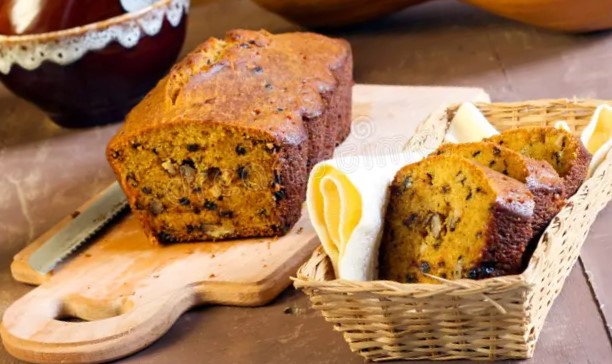
Butternut Squash Loaf Bread
  • Protects against heart disease
  • Supports immune system
  • Excellent for eye health
  • Hydration
  • Helps to manage blood pressure
  • Balances blood sugar

Butternut Squash Nutrition

  • Vitamin A, C, E, B1, B3, B6, B9
  • Vitamin C
  • Magnesium
  • Potassium
  • Calcium
  • Fiber
  • Carotenoids

How To Prepare Butternut Squash

  • Cut into cubes and boil in water.
  • Cut into cubes and oven roast.
  • Cut into cubes, boil in water and mash with a fork.
  • Cut cooked squash into pieces and puree in a food processor.
  • Puree cooked squash and use it in soups, sauces and dips.
  • Grate raw over a salad.
  • Cut raw strips and dip into hummus.
The Nutritional Benefits of Swiss Chard


What Is Swiss Chard?

Swiss Chard is a leafy green vegetable with highly nutritious leaves. The plant is a good source of vitamins A, C and K, and minerals including magnesium, potassium, copper, manganese, iron and dietary fiber.

Rainbow Chard leaves and stems

Chard has shiny, ribbed leaves, is low in calories and has a low glycemic index of 32. Varieties include red, green and rainbow. Swiss Chard is considered a superfood because it’s rich in antioxidants including beta carotene and flavonoids.

How To Prepare Swiss Chard

Fresh chard can be used raw or cooked in salads, stir-fries, soups and omelets. The entire plant is edible, so nothing goes to waste. Boiling, sauteing, baking, frying and steaming are methods of cooking chard.


Discover the Health Benefits of Okra


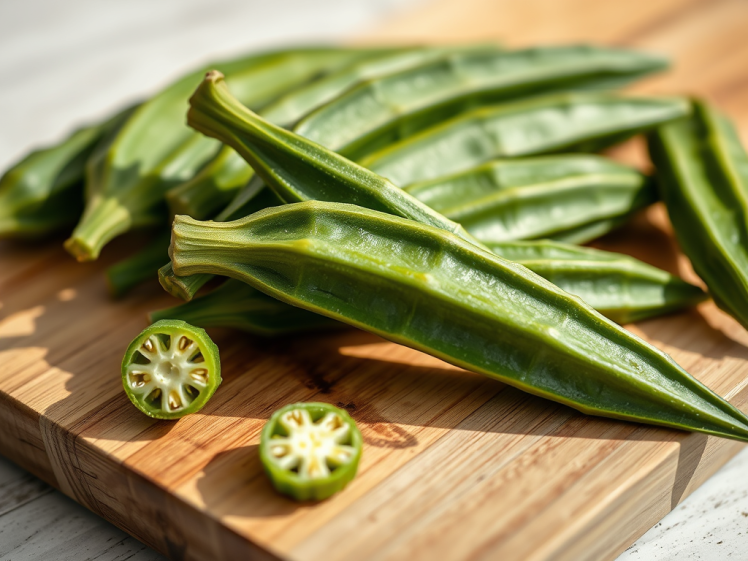
Okra On A Cutting Board

What Is Okra?

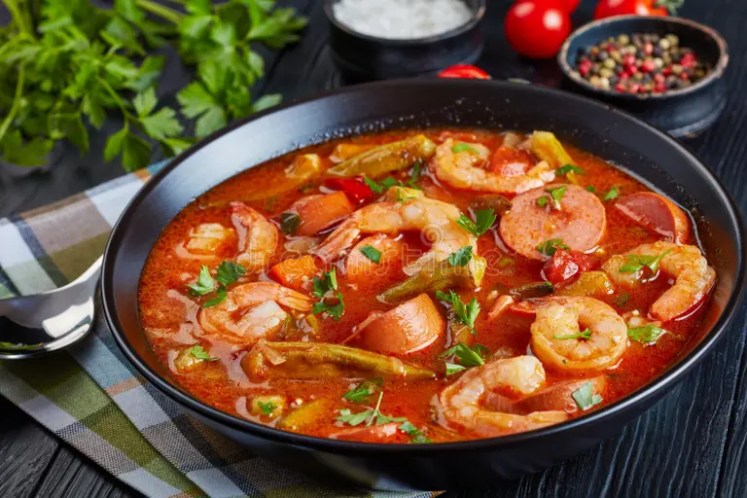
Okra Shrimp Gumbo

Okra is a green vegetable native to Africa. Botanically okra is classified as a fruit. For
culinary purposes it’s considered a vegetable. Okra grows best in hot, humid climates with India
being the leading okra producer. Okra is also grown in the southern United States, and in Hawaii.

Okra is low in calories and has a Glycemic Index of 17. A natural thickener, Okra is used in recipes to add body to any dish. Preparation includes steaming, roasting, frying, grilling, and sauteing.

Typical Okra Recipes

Okra is used in soups, stews, vegetable dishes and gumbos.

Why Should You Include Okra In Your Diet?

Okra is one of the healthiest vegetables. Eating it regularly helps to regulate blood pressure and manage cholesterol levels. Okra improves cardiovascular health and helps to prevent diabetes. Skin, hair and eye health are also benefits of eating okra.

Okra Nutritional Benefits

Okra is rich in vitamins, minerals, fiber and antioxidants.

  • Vitamins A
  • Vitamin B
  • Vitamin B6 (Folate)
  • Vitamin C
  • Vitamin E
  • Magnesium
  • Antioxidants
  • Fiber
  • Protein: Lectin
  • Low Calories

Broccoli Nutrition and Benefits


Fresh Broccoli

Fresh Broccoli Heads


What Is Broccoli?

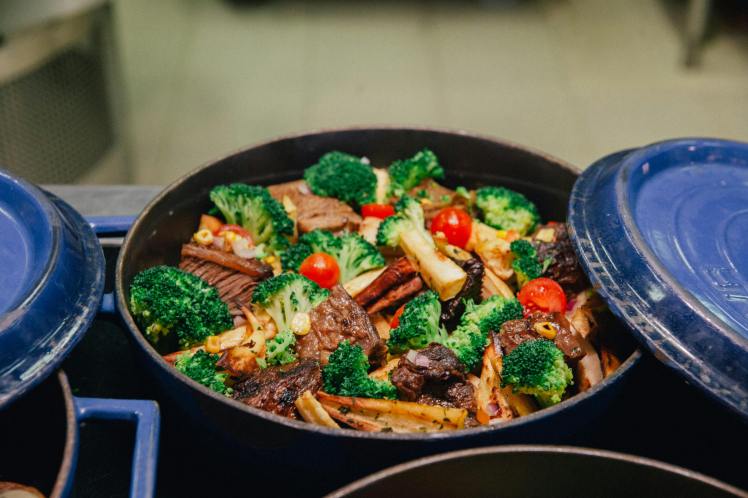
Broccoli and Cauliflower Salad

Broccoli is an edible green plant belonging to the cabbage family. It has large flower heads, known as floret that branch out from a thick stalk.

Broccoli is nutrient dense and is considered a superfood. Cooking methods are steamed, boiled,or sauteed. Broccoli is a low calorie food with a glycemic index of 15. The vegetable can also be eaten raw with dips or dressings.

Broccoli Casserole

Broccoli Nutritional Profile

  • Vitamins A, C and K
  • Folate
  • Potassium
  • Magnesium
  • Iron
  • Antioxidants Lutein and Sulforaphane
  • Fiber

Broccoli Health Benefits

  • Reduces risk of cancer
  • Helps to manage blood sugar
  • Protects the gut
  • Vitamin C boosts immunity
  • Helps heart health

Broccoli Inspired Meals

  • Broccoli and bean salad
  • Broccoli walnut salad
  • Roasted broccoli
  • Broccoli slaw
  • Eggplant and broccoli Parmesan
  • Broccoli tabbouleh salad

Health Benefits of Cauliflower: A Low Glycemic Superfood


Cauliflower

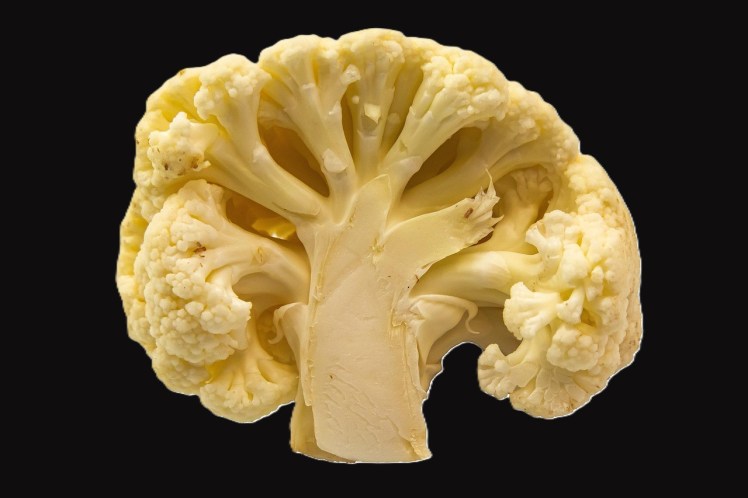
A Beautiful Fresh Head Of Cauliflower


What Is Cauliflower?

Cauliflower is a nutrient dense cruciferous vegetable. Cruciferous vegetables are part of the Brassicaceae family and include a variety of vegetables such as broccoli, cabbage, kale, bok choy, and Brussels sprouts.

Cauliflower has a mild somewhat sweet taste and looks a lot like broccoli. Cauliflower is grown in four varieties: orange, purple, green and white.

Cauliflower varieties arranged in a wooden bowl.

Cauliflower Is A Superfood

A superfood has a high nutritional profile and provides substantial amounts of vitamins, minerals and antioxidants while being low in calories. Cauliflower has a Glycemic Index of 15, which classifies it as a low glycemic food.

Cauliflower Is Nutrient Dense

Cauliflower contains the following nutrients.

  • Vitamin C
  • Vitamin K
  • Vitamin B6
  • Calcium
  • Magnesium
  • Phosphorus
  • Potassium
  • Manganese
  • Choline
  • Folate
  • Pantothenic Acid
  • Antioxidants
  • Fiber

How To Prepare Cauliflower

There are many ways to prepare cauliflower. Here are just a few.

  • Cauliflower Rice
  • Cauliflower Pizza Crust
  • Cauliflower Hummus
  • Mashed Cauliflower
  • Cauliflower Tortillas
  • Cauliflower Mac & Cheese

The Nutritional Benefits of Corn On The Cob


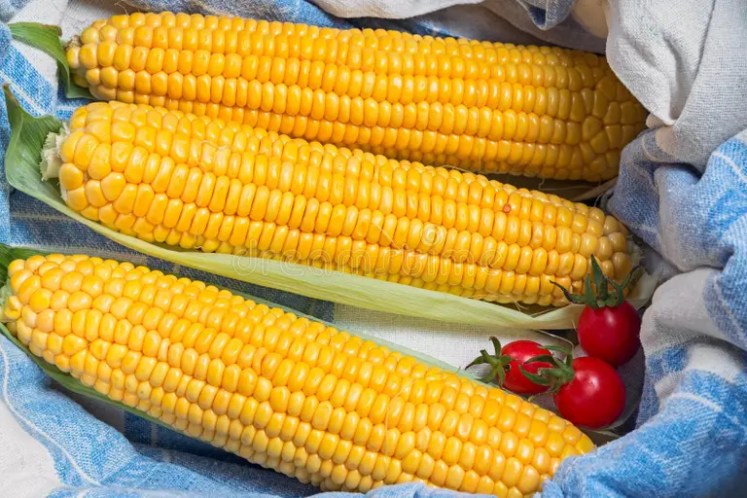
Corn On The Cob


Is Corn On The Cob A Vegetable?

Botanically, corn is a grain. In culinary terms corn is referred to as a vegetable, but it’s also considered a fruit.

Corn is starchy, high in carbs, fiber and vitamins, and low in protein and fat. It ranks 52 on the Glycemic Index , giving it a moderate to low ranking. The fiber content is both soluble and insoluble. One large ear of corn contains 123 calories, about the same as one large banana.

Corn Nutrition

Corn is a part of a healthy diet and contains the following vitamins, and essential minerals.

A Bowl of Corn on the Cob
  • Vitamin C
  • Thiamine
  • Folate
  • Potassium
  • Vitamin A
  • Vitamin B6
  • Manganese
  • Phosphorus
  • Zinc
  • Iron
  • Magnesium
  • Vitamin E
  • Carotenoids