Avocado Nutrition: Why This Superfood is Essential


Sliced Avocado In A Serving Bowl

What Is An Avocado?

An avocado is a fruit that comes from the avocado tree, native to Central and South America. It’s known for its creamy texture and rich, nutty flavor. Some avocados have a green leather-like rough skin , while others are smooth. Once the peel is removed, the inside texture is a creamy pale green with a large center pit.

Avocados are considered a superfood since they are nutrient-dense. They contain 20 vitamins, minerals, fiber and phytonutrients. An avocado provides a quick, healthy snack.

What Is The Nutritional Value of Avocados?

  • High in monounsaturated fats, particularly oleic acid (heart-healthy).
  • Rich in fiber, potassium, and vitamins like K, E, C, and several B vitamins.
  • Low in sugar compared to most fruits.
  • Low Glycemic Index rating of 10.

What Are the Health Benefits of Avocados?

Heart Health

  • Monounsaturated fats, especially oleic acid, can help lower bad LDL cholesterol while raising good HDL cholesterol.
  • Potassium helps regulate blood pressure and supports cardiovascular health.
  • Beta-sitosterol, a plant sterol, may help maintain healthy cholesterol levels.

Brain and Nervous System Support

  • Healthy fats are essential for brain function and may improve cognitive health.
  • High in folate (vitamin B9), which supports brain development and mental health.

Anti-Inflammatory Effects

  • Rich in antioxidants like vitamin E, vitamin C, lutein, and zeaxanthin, which help fight inflammation and oxidative stress.
  • Oleic acid also has anti-inflammatory properties.

Digestive Health

  • High in fiber (~7 grams per half avocado) helps promote regular bowel movements and a healthy gut microbiome.
  • Soluble fiber also supports blood sugar control and satiety.

Eye Health

  • Avocados contain lutein and zeaxanthin, two antioxidants that concentrate in the eyes and help reduce the risk of macular degeneration and cataracts.

Blood Sugar Regulation

  • Low in carbs and sugar, high in fiber and healthy fats, which helps stabilize blood sugar and improve insulin sensitivity.

Skin and Hair Health

  • Rich in vitamin E and C, which support collagen production and skin repair.
  • Healthy fats help keep skin hydrated and supple.

How Are Avocados Used In Recipes?

  • Guacamole mashed with lime, salt, onions, and other ingredients.
  • Sliced or mashed on toast, salads, and sandwiches.
  • Used in smoothies, sushi, salads, soups, mayonnaise substitute, dips, and desserts.

Easy Cilantro Jalapeno Hummus in Minutes


Cilantro Jalapeno Hummus

Cilantro Jalapeno Hummus Recipe

INGREDIENTS

  • 1 (15 ounce) can garbanzo beans, drained
  • 1 cup fresh cilantro, or to taste
  • 1 jalapeno pepper, stemmed and diced – or to taste
  • 2 cloves garlic, diced
  • 1 tablespoon olive oil, or as needed
  • salt and ground black pepper to taste
  • 1 pinch garlic powder, or to taste

DIRECTIONS

  • Blend garbanzo beans, cilantro, jalapeno pepper, garlic, olive oil, salt, black pepper and garlic powder in a blender.
  • Blend until smooth.
  • Serve

Recipe Source: AllRecipes.com

Cilantro: The Flavorful Herb with Health Benefits


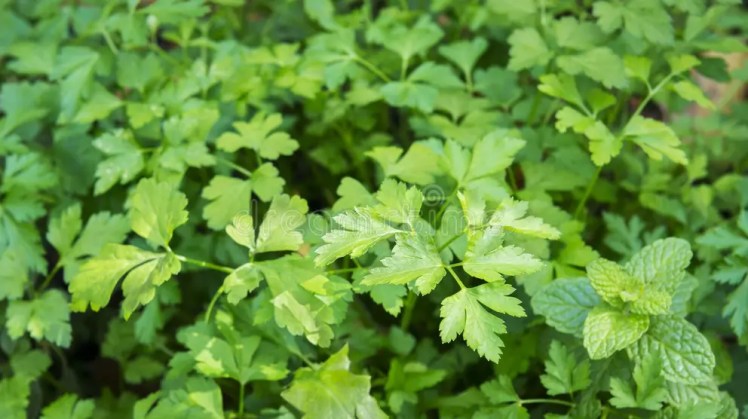
Fresh Cilantro Leaves

What Is Cilantro?

Cilantro, also known as coriander leaves, is a fragrant herb widely used in global cuisine. It has a zesty, bright, spicey flavor that enhances dishes like guacamole, salsa, curries, and stir-fries. It is usually eaten raw, but can be blended into soups, stews, or marinades.

Health Benefits

Cilantro is packed with antioxidants and may help remove heavy metals like mercury and lead from the body. It contains vitamins K, C, and A, along with minerals like iron and magnesium, supporting heart health, digestion, and even sleep quality.

  • Vitamin C: A powerful antioxidant that boosts immunity and skin health.
  • Vitamin K: Essential for blood clotting and bone health.
  • Vitamin A: Supports vision, immune function and skin health.
  • Folate: Important for cell growth and metabolism.
  • Manganese: Supports metabolism and bone health.
  • Iron: Vital for oxygen transport in the blood.
  • Magnesium: Plays a role in muscle and nerve function.
  • Potassium: Helps regulate blood press and muscle function.
  • Kaempferol: Linked to anti-cancer properties.
  • Dodecenal: Has antimicrobial effects, potentially protecting against foodborne illnesses.
  • Quercetin: May help reduce inflammation and support heart health.

Popular Uses In Cooking

  • Indian & Thai Dishes: Used in chutneys, curries, and soups.
  • Mexican Cuisine: Essential ingredient in salsa, guacamole, and tacos.
  • Salads & Dressings: Adds brightness to vinaigrettes and coleslaw.
  • Rice & Stir-Fries: Enhances flavor when mixed with lime or soy sauce.
  • Seafood & Meats: Often paired with shrimp, chicken, or grilled meats.

Storage and Preparation

To keep cilantro fresh, store it in a jar of water covered with a plastic bag in the refrigerator. It should last about a week. When cleaning, gently rinse the leaves under cold water to avoid tearing them.


Source: LiveEatLearn.com, AllRecipes.com, WebMD.com

Why Red Bell Peppers Are Nutrient Powerhouses


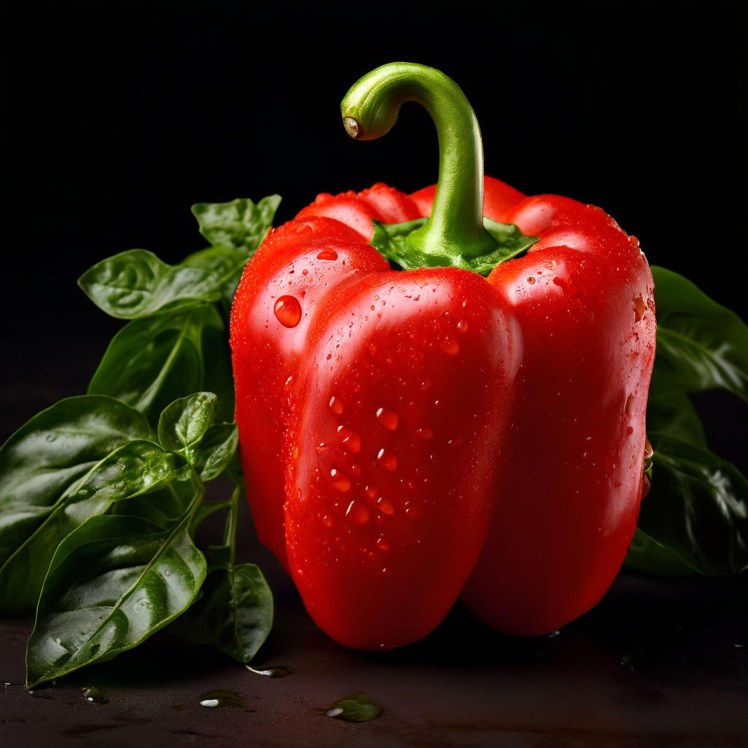
Red Bell Pepper

What Are Red Bell Peppers?

Red bell peppers are vibrant, sweet-tasting vegetables that belong to the Capsicum annuum species. They start out as green bell peppers and gradually turn red as they fully ripen, which makes them sweeter and more nutrient-dense.

What Are The Health Benefits of Red Bell Peppers?

Red bell peppers are packed with nutrients and offer a variety of health benefits.

  • High in water content: Around 92% water.
  • Rich in vitamins:
  • Vitamin C: One medium red bell pepper provides nearly 190% of the daily recommended intake.
  • Vitamin A: Supports eye health and immune function.
  • Vitamin B6: Important for red blood cell formation.
  • Vitamin E & K: Essential for skin, muscle, and bone health.
  • Rich in antioxidants that help fight oxidative stress.
  • Contains carotenoids like capsanthin, lutein, and zeaxanthin, which help protect against blue light damage.
  • Provides fiber, which supports gut health.

How To Prepare Red Peppers?

  • Roasted: Roasting enhances their sweetness—great for soups, sauces, or as a pizza topping.
  • Grilled: Adds a smoky flavor, perfect for fajitas or Mediterranean dishes.
  • Stuffed: Fill them with rice, meat, or veggies for a hearty meal.
  • Sautéed: A quick way to add color and flavor to stir-fries, pasta, or omelets.
  • Pickled: Preserves their flavor for use in sandwiches or antipasto platters.

Creamy Tahini Dressing Recipe for Healthy Meals


Tahini Dressing Recipe

INGREDIENTS

  • 1/4 cup fresh lemon juice
  • 1 teaspoon honey
  • 1 clove garlic, mashed into a paste
  • 1/2 cup well-stirred tahini
  • 1/4 to 1/3 cup cold water
  • 1/4 teaspoon ground cumin
  • Pinch ground cayenne pepper
  • Kosher salt

DIRECTIONS

  • Whisk together the lemon juice, honey and garlic paste in a medium bowl. Gradually whisk in the tahini.
  • Whisk in the water a little at a time until the sauce is smooth, creamy and has the consistency of cold heavy cream.
  • Whisk in the cumin, cayenne and 1/4 teaspoon salt. Taste add more salt if desired.

Cook’s Note

The dressing can be stored in an airtight container in the refrigerator for up to 1 day or freezer for up to 1 month. Bring the dressing to room temperature or whisk in a bit of water as needed to thin it out again before serving.


Recipe Source: Food Network.com

Why Blueberries Are Essential for Your Diet


Blueberries

What Are Blueberries?

Blueberries are a dark blue edible fruit with a sweet and tart flavor. They grow wild and cultivated on shrubs in North America, Europe and Asia. Blueberries are eaten as raw snack, in baked goods, cereal toppings, and in smoothies.

Blueberries are low in calories and have a low glycemic index of 53. This is about the same as bananas, pineapples and mangoes.

Blueberries Are Packed With Nutrition

Blueberries are packed with essential nutrients that make them a powerhouse of health benefits. Here’s a breakdown of their key components:

  • Vitamins: C and K
  • Minerals: Manganese and copper
  • Fiber
  • Antioxidants: Anthocyanins

Health Benefits of Blueberries

Blueberries are tiny but mighty when it comes to nutrition. Here are some of their key benefits.

  • Supports Brain Health. Studies suggest that blueberries can improve memory and cognitive function, thanks to their high levels of flavonoids.
  • Heart-Healthy. They may help lower blood pressure and cholesterol, reducing the risk of heart disease.
  • Good for Digestion. Blueberries are a great source of dietary fiber, which supports gut health and digestion.
  • Low in Calories and High in Nutrients. A cup of blueberries provides vitamin C, vitamin K, and manganese while being low in calories.