Botanically speaking, a cucumber is a fruit because it develops from the flower of the cucumber plant and contains seeds. By that definition, it’s in the same club as tomatoes, peppers, and squash.
But in the culinary world, cucumbers are treated as vegetables—used in salads, savory dishes, and rarely in desserts—so they wear the veggie badge in the kitchen.
So, depending on whether you’re a botanist or a chef, the cucumber plays both roles.
Aging and Cucumbers
Cucumbers may seem humble, but they’ve got some serious superpowers, especially when it comes to aging gracefully. Cucumbers offer a refreshing way to support healthy aging thanks to their unique blend of nutrients and antioxidants. Some of the rejuvenating benefits include Hydration and Skin Health, Bone Support, Antioxidant Effects, Heart and Blood Pressure Benefits, Weight and Digestion.
What Is The Nutritional Profile of Cucumbers?
Cucumbers are 95% water, but they pack a surprising punch of nutrients and beneficial compounds. Here’s a breakdown of what you’ll find in them.
Vitamins
Vitamin K: Supports blood clotting and bone health.
Vitamin C: Antioxidant that boosts immunity and skin health.
Vitamin A: Helps with vision, immunity, and o.rgan function.
B Vitamins: B1 (thiamin), B2 (riboflavin), B3 (niacin), B5 (pantothenic acid), B6, and folate (B9), support energy metabolism and brain function.
Vitamin E: Antioxidant that protects cells from damage.
Minerals
Potassium: Helps regulate blood pressure and fluid balance.
Magnesium: Supports muscle and nerve function.
Calcium: Essential for bones and teeth.
Phosphorus: Works with calcium for bone health.
Iron: Important for oxygen transport in the blood.
Zinc: Supports immune function and wound healing.
Copper, Manganese, Selenium: Trace minerals with various roles in metabolism and antioxidant defense.
Antioxidants & Phytochemicals
Cucurbitacins: Plant compounds with potential anti-cancer properties.
Fisetin: A flavonoid with anti-inflammatory and neuroprotective effects.
Lignans: May support heart health and reduce cancer risk.
Beta-carotene, lutein, zeaxanthin: Supports eye health and fight oxidative stress.
Other Benefits
High water content (about 95%): Excellent for hydration.
Low in calories and sugar: Great for weight management.
Dietary fiber: Especially in the peel, helps digestion and gut health.
How To Prepare Cucumbers
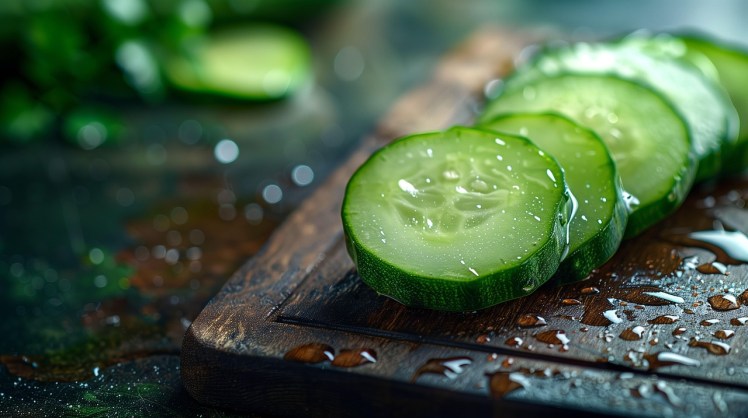
Cucumbers are incredibly versatile in the kitchen. They have a cool, crisp texture and can be combined with just about any flavor profile. Here’s a short list of culinary uses of cucumbers.
The Role of Nutrition In Maintaining Dental Health As We Age
Eating healthy is the foundation of oral health for older adults. It won’t undo decades of damage, but it can prevent further decline, improve gum health, reduce inflammation, support healing, and improve quality of life.
Here’s a breakdown of what can and can’t be reversed through good nutrition after age 50, and where it helps most.
What Good Nutrition Can Improve or Support
Good nutrition supports gum health and prevents gingivitis and mild gum disease. Gum disease may be reversible with proper nutrition, hygiene, and dental professional care.
Nutrients That Help Improve Bone Health and Prevent Tooth Loss
Vitamin C to promote gum healing and reduce inflammation.
Omega 3 fatty acids may reduce periodontal inflammation.
Antioxidants from fruits and vegetables to help repair gum tissue.
Bone loss can be slowed or stabilized but not reversed.
Key Nutrients That Help With Early Signs of Jaw Bone Loss
Calcium and Vitamin D to strengthen the jawbone.
Magnesium and Phosphorus to help mineralize bone and teeth.
What Good Nutrition Cannot Reverse
Advanced Gum Disease (Periodontitis)
Tooth Loss
Worn or damaged enamel
What Good Nutrition Can Do
Support Dental Treatment
Reduce Inflammation
Slow Progression
Healing After Dental Work
Better nutrition fosters better healing after dental procedures. Protein, zinc, vitamin A, and vitamin C are crucial for tissue repair after extractions, implants, or periodontal treatments.
Online Information Sources: ada.org, nidcr.nih.gov, cdc.gov/oralhealth,eatright.org, hsph.harvard.edu/nutritionsource, nutrition.gov, nia.nih.gov, mayoclinic.org
Botanically, tomatoes are classified as a fruit since they contain seeds and grow from flowers. In cooking, tomatoes are treated as a vegetable. Tomatoes grow on vines and are native to South America. They were domesticated in Mexico.
What Are The Health Benefits of Eating Tomatoes?
Tomatoes are loaded with health supporting vitamins and nutrients. Here is a list of the benefits you get when including tomatoes in your diet.
Cancer Prevention: Lycopene and beta-carotene may reduce the risk of prostate, lung, and stomach cancers.
Eye Protection: Lutein and zeaxanthin help shield eyes from blue light and reduce macular degeneration risk.
Skin Defense: Lycopene may offer mild protection against UV damage from the inside out.
Anti-Inflammatory: Vitamin C and other antioxidants help reduce inflammation and support immune function.
Cognitive Support: Carotenoids in tomatoes may help protect against dementia and cognitive decline.
What Are The Nutritional Benefits of Tomatoes?
Tomatoes are considered a low glycemic food, with a low index of 30. They are also very low in calories. A medium tomato contains about 32 calories.
Vitamins: A, E, B6, B3 Niacin, B1 Thiamine, B2 Riboflavin, B9 Folate, C, K1, and Choline.
A strawberry is a small, heart-shaped fruit known for its vibrant red color, juicy texture, and sweet-tart flavor. It’s covered in tiny seed-like specks called achenes, which are actually the fruit’s true seeds. Strawberries are beloved for their aroma and are enjoyed fresh, cooked, or preserved in countless dishes.
Strawberries are considered a superfood due to their abundant nutrient profile. They’re packed with vitamin C, fiber, and antioxidants like anthocyanins and ellagic acid, which help fight inflammation, support heart health, and may even reduce the risk of chronic diseases like cancer and diabetes.
What makes them especially “super” is that they deliver all these benefits while being low in calories and sugar, making them a smart choice for nearly any diet. They have a low Glycemic Index of 40.
What Are the Health Benefits of Strawberries?
Strawberries are a nutritional powerhouse with a wide range of benefits:
Heart Health: Rich in anthocyanins and potassium, which help lower blood pressure and cholesterol.
Immune Support: One cup provides more than 100% of your daily vitamin C needs.
Anti-inflammatory: High in antioxidants like ellagic acid and flavonoids that reduce inflammation and oxidative stress.
Brain Function: May help slow cognitive decline and reduce risk of Alzheimer’s.
Blood Sugar Control: Low glycemic index and high fiber content help regulate glucose levels.
Nutrients and Antioxidants In Strawberries
N U T R I E N T
B E N E F I T
Vitamin C
Immune health, skin repair, antioxidant
Manganese
Bone health, metabolism support
Folate (B9)
Cell growth, especially important in pregnancy
Potassium
Blood pressure regulation
Fiber
Digestive health, satiety
Anthocyanins
Heart health, anti-aging
Ellagic Acid
Anti-cancer, anti-inflammatory
Procyanidins
Vascular health, antioxidant
How To Use Strawberries In Cooking
Strawberries are incredibly versatile! Here are some delicious ways to enjoy them.
Fresh: Toss into salads, yogurt, or cereal.
Baked: Use in cakes, muffins, cobblers, and pies (like strawberry shortcake or bundt cake).
Frozen: Blend into smoothies or daiquiris.
Sauces & Jams: Make compotes, syrups, or classic strawberry jam.
Savory Pairings: Combine with balsamic vinegar, goat cheese, or avocado in salads.
Breakfast: Add to pancakes, French toast bakes, or oatmeal.




 Irene Pastore Fitness.com