
Relaxing Music For Stressful Times
September 11, 2025

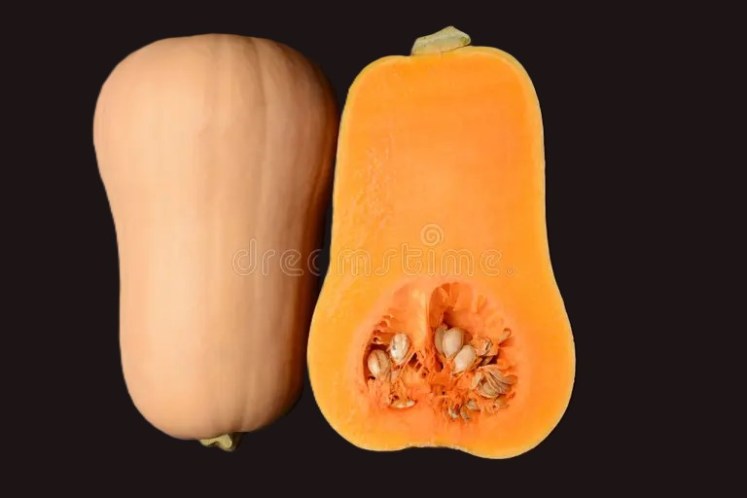
Butternut squash is a type of winter squash known for its sweet, nutty flavor and smooth, creamy texture when cooked. It has a distinctive bell or pear shape, with pale beige skin and deep orange flesh inside. Native to the Americas, it’s part of the gourd family, which also includes pumpkins and zucchinis.
Butternut squash is not just delicious, it’s also fantastic for supporting healthy aging. Here’s a breakdown of the key benefits of butternut squash as it relates to aging.
Butternut Squash Is Rich in Antioxidants
Butternut squash is high in beta-carotene, which the body converts to vitamin A, a powerful antioxidant that helps neutralize free radicals. These free radicals can damage cells and accelerate aging, especially in the skin, eyes, and brain. Antioxidants like beta-carotene support:
Butternut Squash Supports Brain Health
Butternut Squash contains important nutrients like vitamin B6, folate, and vitamin E, all of which are associated with better cognitive function and a lower risk of age-related cognitive decline, including conditions like dementia or Alzheimer’s.
Butternut Squash Is Heart-Healthy
Aging increases the risk of heart disease, and butternut squash is a heart helper. It’s rich in the following heart-healthy nutrients.
Butternut Squash Supports Bones
Butternut squash contains manganese, vitamin C, and magnesium, which are all essential for maintaining strong bones and preventing conditions like osteoporosis as we age.
Butternut Squash Protects Eye Health
The beta-carotene (vitamin A) in butternut squash also plays a key role in preventing macular degeneration and other age-related eye diseases. Plus, it contains lutein and zeaxanthin, which are specifically linked to eye protection.
Butternut Squash Supports Digestion
With good fiber content, butternut squash helps maintain a healthy digestive system, which can often slow down with age. It supports regularity and a healthy gut microbiome, both essential for aging well.
Butternut Squash Is Low In Calories and High In Nutrition
As metabolism slows with age, nutrient-dense and lower-calorie foods become more important. Butternut squash provides a lot of nutrition without excess calories or unhealthy fats.
Butternut squash is incredibly versatile. It can be used in dozens of ways across savory and sweet dishes. While there’s no exact number, here’s a breakdown of the many ways it can be used in recipes.
Butternut Squash blends well, roasts beautifully, sweetens naturally, and adapts across cuisines from Italian to Thai to American comfort food.
Common Cooking Methods
Recipe Categories
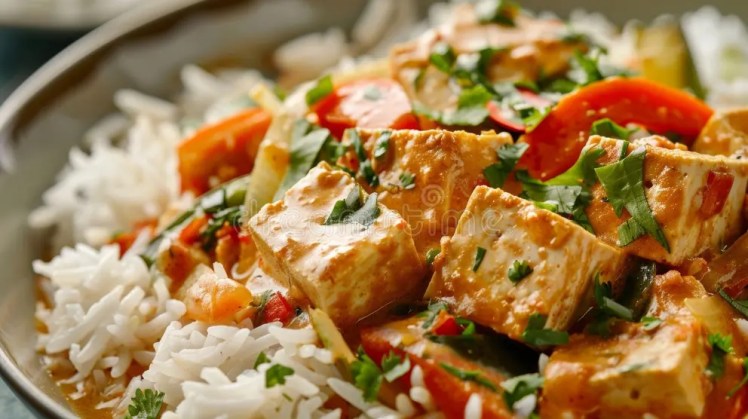
INGREDIENTS
DIRECTIONS
Recipe Source: AllRecipes.com

A coconut is the large, hard fruit of the coconut palm tree , which grows in tropical and subtropical regions. It’s a very versatile fruit used for food, drink, oil, and many household or industrial products.
The coconut fruit has several parts: an outer husk, an inner shell, coconut water, coconut meat, and coconut oil. While coconut fruit offers several health benefits, keep in mind that coconut products are high in calories, and coconut oil is high in saturated fat.
Coconuts offer several nutritional and functional benefits that support healthy aging. Here are the key ones.
Supports brain health
Provides healthy fats for energy
Promotes digestive health
Hydration and electrolyte balance
Antioxidant protection
Supports skin health
Bone and muscle support
Coconut is one of the most versatile foods in the kitchen. It can be used in many different ways depending on which part of the fruit you’re using. Here’s a list.
Fresh coconut meat
Dried coconut
Coconut milk and cream
Coconut water
Coconut oil
Coconut sugar
Coconut vinegar

INGREDIENTS
DIRECTIONS
Recipe Source: Food.com
 Irene Pastore Fitness.com