Preheat the oven to 350 degrees F (175 degrees C). Lightly grease an 8×4-inch loaf pan, or line with parchment paper.
Mix almond flour, flaxseed meal, eggs, almond milk, olive oil, baking powder, and salt together in a bowl until a soft dough forms.
Transfer to the prepared loaf pan.
Bake in the preheated oven until golden brown on top, about 40 minutes. Cool in the loaf pan for 10 minutes before transferring to a wire rack to cool completely.
1 Tbsp. vegetable bouillon base (we used Better Than Bouillon
1 medium butternut squash (about 2 1/2 lbs.), peeled (seeds reserved), cut into 1″ pieces
2 medium carrots, cut into 1″ pieces
21/4 tsp. turmeric
21/4 tsp. black pepper
2 Tbsp. light coconut milk
DIRECTIONS
Heat 2 tablespoons oil in a large Dutch oven over medium heat. Add the onion and cook, covered, stirring occasionally, until tender, 6 to 8 minutes.
Meanwhile, combine the bouillon base with 6 cups boiling water, stirring to dissolve.
Add the squash, carrots, 2 teaspoon turmeric and 1/2 teaspoon pepper to the Dutch oven and cook, stirring, 1 minute. Add the broth, bring to a boil, then reduce heat and simmer until the vegetables are very tender, 18 to 22 minutes.
Meanwhile, heat oven to 375°F. Toss the reserved seeds (about 1/4 cup with the remaining teaspoon of oil, 1/4 teaspoon turmeric and 1/4 teaspoon pepper and roast until golden brown and crispy, 9 to 11 minutes.
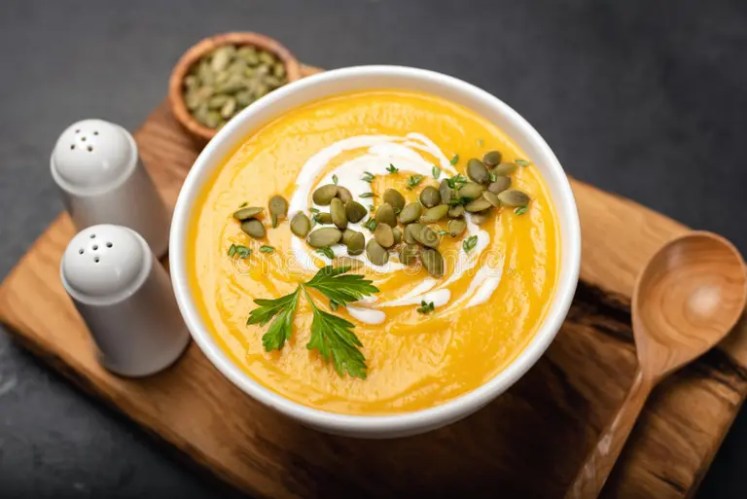
Using an immersion blender (or standard blender, working in batches) purée the soup. Sprinkle with the toasted seeds and swirl in the coconut milk.
Remove white parts of green onions, and finely chop. Chop greens into 2 inch pieces.
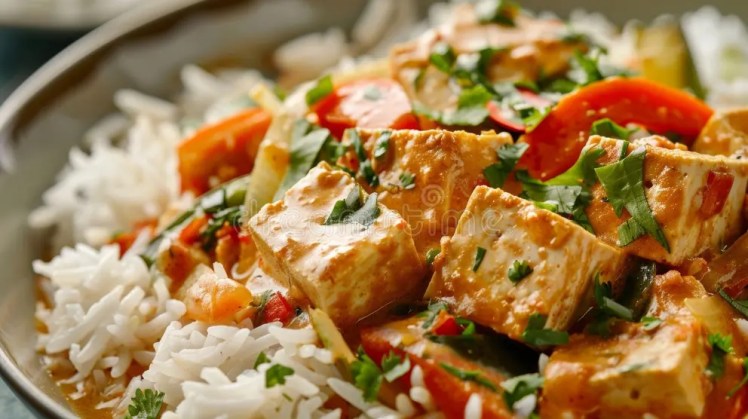
In a large heavy skillet over medium heat, mix coconut milk, 3 tablespoons soy sauce, brown sugar, curry powder, ginger, and chile paste. Bring to a boil.
Stir tofu, tomatoes, yellow pepper, mushrooms, and finely chopped green onions into the skillet. Cover, and cook 5 minutes, stirring occasionally. Mix in basil and bok choy. Season with salt and remaining soy sauce. Continue cooking 5 minutes, or until vegetables are tender but crisp. Garnish with remaining green onion.
Baby spinach is the young, tender leaves of the spinach plant. It is harvested earlier than mature spinach, typically within 15 to 35 days after planting. This results in smaller, more delicate leaves with a milder, slightly sweet flavor.
How Does Baby Spinach Differ From Regular Spinach?
Baby Spinach requires less cooking time or none at all. It is softer and better suited to raw dishes than regular spinach. It is less bitter than mature spinach.
Key Characteristics of Baby Spinach
Texture: Soft and tender
Flavor: Milder and less bitter than mature spinach
Color: Bright to dark green
Size: Small leaves, often no bigger than a few inches
How Does Spinach Support Healthy Aging?
Baby spinach supports healthy aging in several powerful ways, thanks to its rich nutrient profile and antioxidant content. Here’s a breakdown of how it helps.
Supports Brain Health
Folate, vitamin K, and lutein found in baby spinach are linked to slower cognitive decline.
Lutein accumulates in the brain and may help protect against age-related memory loss.
Protects Eye Health
Contains the antioxidants lutein and zeaxanthin, that reduce the risk of age-related macular degeneration, and cataracts.
Promotes Heart Health
Nitrates in spinach help improve blood flow and lower blood pressure.
Folate and potassium support heart function and help maintain healthy cholesterol levels.
Strengthens Bones
High in vitamin K, which is essential for bone mineralization.
Contains calcium and magnesium, both crucial for maintaining bone density and preventing osteoporosis.
Reduces Inflammation and Oxidative Stress
Packed with antioxidants vitamin C, beta-carotene, and flavonoids, that combat free radicals, which contribute to cell damage and age-related diseases.
Supports Healthy Weight and Digestion
Low in calories, high in fiber helping to maintain healthy weight, and gut health. Both are linked to immune function and longevity.
May Help Protect Against Chronic Diseases
Regular consumption may lower the risk of the following diseases.
Heart disease
Type 2 diabetes
Certain cancers
How To Prepare Baby Spinach
Baby spinach is incredibly versatile. There are many ways to use it in recipes. Because it’s mild, tender, and nutrient-rich, it works well in raw, cooked, blended, or baked dishes.
Here’s a breakdown of key categories and examples to show just how many ways baby spinach can be used.
Raw in Cold Dishes
Salad base or mixed with other greens
Wraps and sandwiches
Grain bowls with quinoa, rice, or farro
Cold pasta or orzo salads
Lettuce cups and taco fillings
Lightly Cooked
Sautéed with garlic and olive oil
Wilted into scrambled eggs or omelets
Stirred into risottos or pastas at the end of cooking
Bring water and quinoa to a boil in a saucepan. Reduce heat to medium-low, cover, and simmer until quinoa is tender, 15 to 20 minutes. Set aside to cool.
Combine chickpeas, tomatoes, cucumber, green onions, and parsley in a large bowl. Stir in cooled quinoa.
Mix lemon juice, olive oil, garlic, mint, salt, and pepper together in a separate small bowl. Pour over quinoa mixture; toss to combine.
COOK’S NOTES
You can make this salad with lentils, barley, or rice instead of quinoa.
Speed cooling time by refrigerating quinoa after cooking, or make it the day before and refrigerate until needed.




 Irene Pastore Fitness.com