Papaya is an edible, highly nutritious tropical fruit, grown in the Caribbean , Hawaii, and Asia.
Hawaiian papayas are smaller and pear-shaped.
The Caribbean and Asian papayas are long and large with green skin, and small spicy black seeds.
HOW TO BUY PAPAYAS
Buy papayas when the green skin starts to turn yellow, and the skin is soft to the touch, but not mushy.
While papayas can grow as much as 20 inches, the average length of papayas sold in supermarkets are around 7 inches long, and weigh about one pound.
WHY SHOULD YOU EAT PAPAYAS?
Papayas contain papain, an enzyme that helps digest proteins. Eating this tropical fruit is a great way to improve your digestion, get your antioxidant vitamins C, E and A, and boost your immune system. Papayas prevent the development of prostate cancer, colon cancer, rheumatoid arthritis, and macular degeneration.
WHAT DOES A PAPAYA TASTE LIKE?
Ripe papayas taste very sweet, and have a soft, buttery consistency. They make a great tropical smoothie. To prepare a papaya for eating, just slice it in half, scoop out and discard the seeds. The papaya is now ready to eat. Ripe papayas are so soft, all you’ll need is a spoon to enjoy the fruit.
Copyright 2013 Irene Pastore and Blue Moon Personal Training
Shopping in Whole Foods Market last week, I came across a vendor offering free samples of home-made Mu Mu Meusli. This product is made without added sugar, in upstate Sharon Springs, New York.
There are 8 ingredients, and it tastes great. It’s made with oats, cranberries, wheat flakes, coconut, raisins, dates, flax, and almonds.
Mu Mu Meusli is sold online, and in health food stores, including several in New York City. If you’re a meusli fan, and prefer avoiding added sugar in your breakfast cereal, check it out.
Meusli cereal originated around 1900 in Switzerland, by a doctor who wanted to offer his patients a healthy diet.
While there are variations, basic ingredients are rolled oats, dried fruits, nuts and seeds.
Other varieties of meusli may contain wheat or rye flakes, honey, spices, such as cinnamon, or chocolate. Yogurt, fruit juice or fresh fruit, and nut milks may be added to meusli.
Meusli provides a nutritious, quick breakfast, or a healthy snack.
Copyright 2013 Irene Pastore and Blue Moon Personal Training
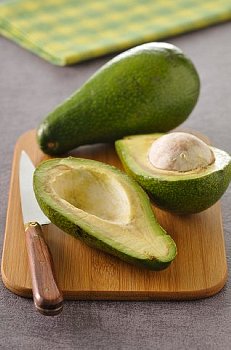
Bored with beets? Try combining them with avocados. The combo is well worth a try, because beets and avocados are a health blockbuster.
Cut your prep and clean-up time, with this simple veggie combo.
If you’re in a hurry, or don’t like spending alot of time in the kitchen, this is for you.
Beet Preparation Methods
Cooked: remove tails, leave skins intact, slice and steam the beets. Serve.
Raw: remove tails, peel the skins, grate and serve.
Raw: remove tails, peel the skins, and crank them through a Veggie Spiralizer. Serve.
For added zest, squeeze a fresh lemon over the beets, add salt and serve. Or, use apple cider vinegar instead of lemon juice.
Avocado Preparation Methods
Peel, remove seed, slice avocados and serve alongside beets.
Peel, remove seed, and mash avocados just as you would prepare mashed potatoes.
Raw Avocados – Omega 3
For added flavor, squeeze a fresh lemon over the avocados, add salt and serve.
Health Benefits
Beetscontain potassium, magnesium, iron, calcium, fiber, and B Vitamins. Avocadoscontain Omega 3 fatty acids (Oleic), antioxidants, carotenoids (antiinflammatory). Lemonsare anti-biotic, anti-cancer, and an excellent source of Vitamin C. More about beet nutrition here, avocado nutrition here, and lemon here.
Copyright 2013 Irene Pastore, and Blue Moon Personal Training
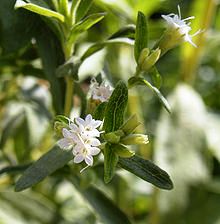
Stevia is a tropical plant bearing leaves that are very sweet. Growing primarily in Paraguay and Brazil, stevia is a wild herb in the chrysanthemum family. Stevia has been used in South America for hundreds of years as a natural sweetener.
STEVIA PLANT
WHY USE STEVIA INSTEAD OF SUCROSE?
There are no calories in stevia, and yet, it is much sweeter than sucrose (white sugar). Stevia doesn’t raise blood sugar. It provides an alternative to people on low carbohydrate diets, diabetics, and as a weight-loss aide. Current research indicates that stevia does not harm teeth.
If you’re a diabetic, and are in doubt about using stevia, check with your health-care practitioner. If your doctor is unfamiliar with stevia, do your own research, and bring it to their attention.
HOW DO I USE STEVIA?
Stevia is used just like sucrose (white sugar). Since it’s sweeter than white sugar, you’ll need to adjust your recipe, and use less. Go to stevia.com for recipes about breakfast foods, beverages, breads and muffins, desserts, jams and jellies, salads and soups.
WHERE CAN I BUY STEVIA?
STEVIA POWDER
Stevia is sold in powder, liquid, or handy packets. Whole Foods Markets, and most health food stores sell stevia Here are some online stevia shopping websites: Stevia.com,HealthyShoppingNetwork.com, and Amazon.com.
Copyright 2013 Irene Pastore, and Blue Moon Personal Training




 Irene Pastore Fitness.com