Optimize Your Gut Health After 50


Why Your Gut Needs Different Foods After 50

Your digestive system plays a major role in your overall health, especially as you get older. From nutrient absorption to immune defense and even mood regulation, your gut does a lot more than break down food. And with age, its needs change. Fortunately, what you eat can help keep things running smoothly.

In this post, we’ll look at how aging affects your gut—and what foods can help support it.

How Aging Affects Your Digestive System

You might notice that digestion feels a little different in your 50s, 60s, and beyond. That’s because several age-related changes begin to affect how your gut functions:

  • Slower digestion: Your metabolism slows down, which means food moves more slowly through the digestive tract.
  • Reduced stomach acid: This can impact the absorption of important nutrients like vitamin B12, iron, and calcium.
  • Less diverse gut bacteria: The balance of “good” bacteria in your gut can shift, affecting everything from digestion to immunity.
  • More constipation and bloating: Decreased muscle tone in the digestive tract can lead to discomfort and irregularity.

The good news? Food can help address many of these issues—if you give your gut what it needs.

Gut-Friendly Foods For Older Adults

FIBER RICH FOODS

Fiber is crucial for regularity, blood sugar balance, and feeding the good bacteria in your gut.

  • Best sources: beans, lentils, oats, chia seeds, berries, leafy greens, broccoli.
  • Tip: Increase fiber gradually and drink more water to avoid gas or bloating.

FERMENTED FOODS

Fermented foods naturally contain probiotics—live bacteria that support a healthy microbiome.

  • Try live culture yogurt, kefir, kimchi, sauerkraut, miso, tempeh
  • Look for “live and active cultures” on food labels.

HYDRATION IS KEY

Dehydration is common in older adults and often contributes to constipation.

  • Drink enough water to stay hydrated. The amount varies depending on age, health, climate and activity level.
  • Food and beverages, such as soup, fruit and tea also count as hydration.

HEALTHY FATS

Good fats support nutrient absorption and reduce inflammation in the gut lining.

  • Add: olive oil, avocado, nuts, seeds, and fatty fish like salmon.

EASY WAYS TO IMPROVE DIGESTION

Changing how you eat can be just as important as what you eat:

  • Eat smaller, more frequent meals if large meals make you feel sluggish or bloated.
  • Chew your food thoroughly to give digestion a head start.
  • Avoid heavy meals before bed, which can disrupt sleep and slow digestion.
  • Consider digestive enzymes or probiotics.

Ths article is for educational purposes only. It does not replace the advice of your healthcare practitioner.
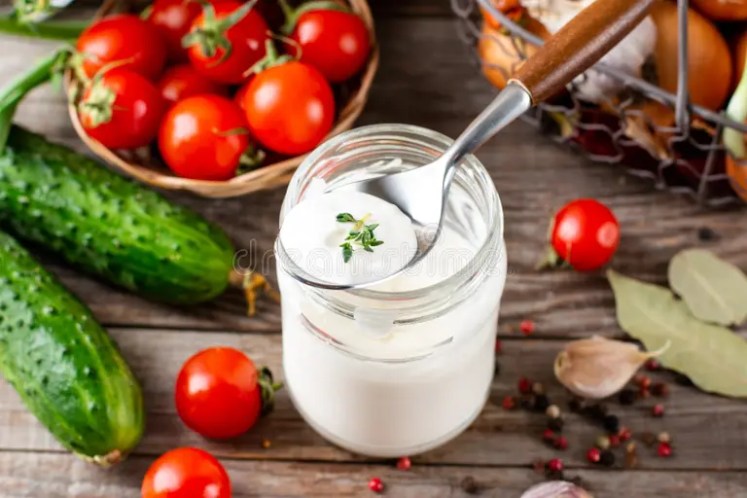
Creamy Cucumber Dressing


Cucumber Yogurt Salad Dressing

Creamy Cucumber Dressing Recipe

INGREDIENTS

  • 1 cup plain yogurt
  • ½ cucumber, peeled and finely chopped
  • 1 teaspoon fresh lemon juice
  • 1 clove garlic, minced
  • ½ teaspoon salt
  • ½ teaspoon ground white pepper

DIRECTIONS

  • Blend yogurt, cucumber, lemon juice, garlic, salt, and pepper in a blender until smooth. Refrigerate until chilled.

Recipe Source: AllRecipes.com

Cucumber Health Benefits for Aging


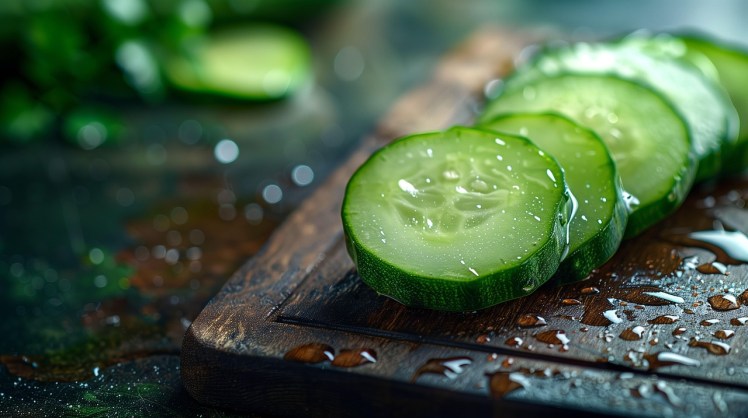
Sliced Cucumbers

What Is A Cucumber?

Botanically speaking, a cucumber is a fruit because it develops from the flower of the cucumber plant and contains seeds. By that definition, it’s in the same club as tomatoes, peppers, and squash.

But in the culinary world, cucumbers are treated as vegetables—used in salads, savory dishes, and rarely in desserts—so they wear the veggie badge in the kitchen.

So, depending on whether you’re a botanist or a chef, the cucumber plays both roles.

Aging and Cucumbers

Cucumbers may seem humble, but they’ve got some serious superpowers, especially when it comes to aging gracefully. Cucumbers offer a refreshing way to support healthy aging thanks to their unique blend of nutrients and antioxidants. Some of the rejuvenating benefits include Hydration and Skin Health, Bone Support, Antioxidant Effects, Heart and Blood Pressure Benefits, Weight and Digestion.

What Is The Nutritional Profile of Cucumbers?

Cucumbers are 95% water, but they pack a surprising punch of nutrients and beneficial compounds. Here’s a breakdown of what you’ll find in them.

Vitamins

  • Vitamin K: Supports blood clotting and bone health.
  • Vitamin C: Antioxidant that boosts immunity and skin health.
  • Vitamin A: Helps with vision, immunity, and o.rgan function.
  • B Vitamins: B1 (thiamin), B2 (riboflavin), B3 (niacin), B5 (pantothenic acid), B6, and folate (B9), support energy metabolism and brain function.
  • Vitamin E: Antioxidant that protects cells from damage.

Minerals

  • Potassium: Helps regulate blood pressure and fluid balance.
  • Magnesium: Supports muscle and nerve function.
  • Calcium: Essential for bones and teeth.
  • Phosphorus: Works with calcium for bone health.
  • Iron: Important for oxygen transport in the blood.
  • Zinc: Supports immune function and wound healing.
  • Copper, Manganese, Selenium: Trace minerals with various roles in metabolism and antioxidant defense.

Antioxidants & Phytochemicals

  • Cucurbitacins: Plant compounds with potential anti-cancer properties.
  • Fisetin: A flavonoid with anti-inflammatory and neuroprotective effects.
  • Lignans: May support heart health and reduce cancer risk.
  • Beta-carotene, lutein, zeaxanthin: Supports eye health and fight oxidative stress.

Other Benefits

  • High water content (about 95%): Excellent for hydration.
  • Low in calories and sugar: Great for weight management.
  • Dietary fiber: Especially in the peel, helps digestion and gut health.

How To Prepare Cucumbers

Cucumbers are incredibly versatile in the kitchen. They have a cool, crisp texture and can be combined with just about any flavor profile. Here’s a short list of culinary uses of cucumbers.

  • Salads
  • Sandwiches and Wraps
  • Salsas and Slaws
  • Pickled
  • Roasted or Grilled
  • Sauteed or Stir-Fried
  • Baked
  • Smoothies
  • Salad Dressing
  • Raw Snack
  • Dipped in Hummus

Quick and Delicious Tomato Soup in 30 Minutes


Simple Tomato Soup Recipe

INGREDIENTS

  • 1 tablespoon unsalted butter
  • 1 tablespoon olive oil
  • 1 onion, thinly sliced
  • 2 large garlic cloves, peeled and crushed
  • 2 (28 ounce) cans whole peeled tomatoes
  • 1 cup water
  • 1 tablespoon sugar
  • ¼ teaspoon celery seed
  • ¼ teaspoon dried oregano
  • 1 pinch red pepper flakes

DIRECTIONS

  • Gather all ingredients.
  • Heat butter and olive oil in a large saucepan over medium-low heat. Cook onion and garlic until onion is soft and translucent, about 5 minutes.
  • Add tomatoes, water, sugar, celery seed, oregano, red pepper flakes, salt, and pepper. Bring to a boil. Reduce heat, cover, and simmer for 15 minutes.
  • Remove from heat and purée with an immersion blender. Reheat soup until warm and season with salt and pepper.

Recipe Source AllRecipes.com

Nutritional Value of Tomatoes: What You Need to Know


Tomatoes

What Are Tomatoes?

Botanically, tomatoes are classified as a fruit since they contain seeds and grow from flowers. In cooking, tomatoes are treated as a vegetable. Tomatoes grow on vines and are native to South America. They were domesticated in Mexico.

What Are The Health Benefits of Eating Tomatoes?

Tomatoes are loaded with health supporting vitamins and nutrients. Here is a list of the benefits you get when including tomatoes in your diet.

  • Cancer Prevention: Lycopene and beta-carotene may reduce the risk of prostate, lung, and stomach cancers.
  • Eye Protection: Lutein and zeaxanthin help shield eyes from blue light and reduce macular degeneration risk.
  • Skin Defense: Lycopene may offer mild protection against UV damage from the inside out.
  • Anti-Inflammatory: Vitamin C and other antioxidants help reduce inflammation and support immune function.
  • Cognitive Support: Carotenoids in tomatoes may help protect against dementia and cognitive decline.

What Are The Nutritional Benefits of Tomatoes?

Tomatoes are considered a low glycemic food, with a low index of 30. They are also very low in calories. A medium tomato contains about 32 calories.

  • Vitamins: A, E, B6, B3 Niacin, B1 Thiamine, B2 Riboflavin, B9 Folate, C, K1, and Choline.
  • Minerals: Potassium, Copper, Manganese, Magnesium, Phosphorus, Iron, Zinc, Calcium and Sodium.
  • Antioxidants: Lycopene, Beta-carotene, Naringenin, Chlorogenic Acid, Lutein and Zeaxanthin.

Methods of Preparing and Eating Tomatoes

Eaten raw or cooked, tomatoes are a versatile ingredient in your meal planning.

  • Sliced in salads with mozzarella and basil.
  • Tomato sandwiches with a sprinkle of salt and olive oil.
  • Salsa or pico de gallo for a zesty kick.
  • Cooked
  • Roasted or grilled for a smoky flavor.
  • Tomato sauces for pasta or pizza.
  • Soups like gazpacho or creamy tomato bisque.
  • Preserved
  • Sun-dried
  • Canned or stewed for year-round use.
  • Stuffed with grains, herbs or cheese.
  • Tomato paste or purée as a cooking base.

Delicious No Bake Sugar Free Strawberry Cheesecake Recipe


Strawberry Cheesecake

Strawberry Cheesecake With Graham Cracker Crust


No Bake Sugar Free Strawberry Cheesecake Recipe

INGREDIENTS

  • ¾ cup graham cracker crumbs
  • 3 tablespoons butter, melted
  • ¼ teaspoon ground cinnamon
  • ¼ teaspoon ground nutmeg
  • 1 (8 ounce) package cream cheese, softened
  • 1 ½ cups milk
  • 1 (1 ounce) package cheesecake flavor sugar-free instant pudding mix
  • 2 pints fresh strawberries, sliced

DIRECTIONS

  • Gather all ingredients.
  • Combine graham cracker crumbs, melted butter, cinnamon, and nutmeg in a bowl.
  • Press the mixture into an 8-inch pie dish; refrigerate while making the filling.
  • Beat cream cheese in a mixing bowl with an electric mixer on medium speed until softened.
  • Reduce speed to slow; gradually beat in milk (the mixture will be watery).
  • Use a rubber spatula to scrape cream cheese from the sides of the bowl, if necessary. Beat in pudding mix until the filling is thick and smooth.
  • Spoon 1/2 of the cream cheese filling onto the bottom of prepared crust. Spread 1/2 of the strawberries over the filling; repeat with remaining filling and strawberries.
  • Chill pie in refrigerator until filling is set, at least 1 hour.

Recipe Source: AllRecipes.com