Preheat the oven to 350 degrees F (175 degrees C). Lightly grease an 8×4-inch loaf pan, or line with parchment paper.
Mix almond flour, flaxseed meal, eggs, almond milk, olive oil, baking powder, and salt together in a bowl until a soft dough forms.
Transfer to the prepared loaf pan.
Bake in the preheated oven until golden brown on top, about 40 minutes. Cool in the loaf pan for 10 minutes before transferring to a wire rack to cool completely.
Baking with almond flour isn’t just a trendy alternative. It’s a smart, health-conscious choice that can transform your diet while delivering delicious results.
Almond flour gives bread a moist, tender texture with a subtle nutty flavor that pairs well with both sweet and savory ingredients. Perfect for everyday baking or a special treat.
How Almond Flour Supports Health Aging
Baking bread with almond flour isn’t just good for the moment, it’s a long-term investment in your health. Here’s how it benefits healthy aging.
1. Supports Brain Health Almond flour is rich in vitamin E, an antioxidant that may protect against cognitive decline and support long-term brain function.
2. Maintains Bone Strength Almonds contain calcium, magnesium, and phosphorus. All vital for preserving bone density as we age.
3. Fights Inflammation Chronic inflammation is a major factor in age-related diseases. The anti-inflammatory fats and antioxidants in almonds can help combat this.
4. Heart Health Monounsaturated fats and magnesium in almond flour help lower LDL cholesterol and support healthy blood pressure. Critical for cardiovascular health as we age.
5. Skin & Cellular Health Vitamin E also promotes skin elasticity and cell repair, helping to slow the appearance of aging and protect skin from oxidative stress.
6. Muscle Maintenance The protein in almond flour helps preserve lean muscle mass, which naturally declines with age but is crucial for strength and mobility.
1 Tbsp. vegetable bouillon base (we used Better Than Bouillon
1 medium butternut squash (about 2 1/2 lbs.), peeled (seeds reserved), cut into 1″ pieces
2 medium carrots, cut into 1″ pieces
21/4 tsp. turmeric
21/4 tsp. black pepper
2 Tbsp. light coconut milk
DIRECTIONS
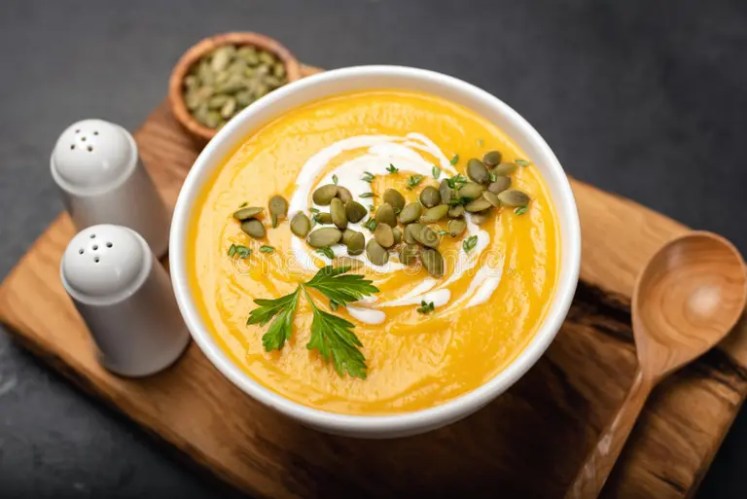
Heat 2 tablespoons oil in a large Dutch oven over medium heat. Add the onion and cook, covered, stirring occasionally, until tender, 6 to 8 minutes.
Meanwhile, combine the bouillon base with 6 cups boiling water, stirring to dissolve.
Add the squash, carrots, 2 teaspoon turmeric and 1/2 teaspoon pepper to the Dutch oven and cook, stirring, 1 minute. Add the broth, bring to a boil, then reduce heat and simmer until the vegetables are very tender, 18 to 22 minutes.
Meanwhile, heat oven to 375°F. Toss the reserved seeds (about 1/4 cup with the remaining teaspoon of oil, 1/4 teaspoon turmeric and 1/4 teaspoon pepper and roast until golden brown and crispy, 9 to 11 minutes.
Using an immersion blender (or standard blender, working in batches) purée the soup. Sprinkle with the toasted seeds and swirl in the coconut milk.
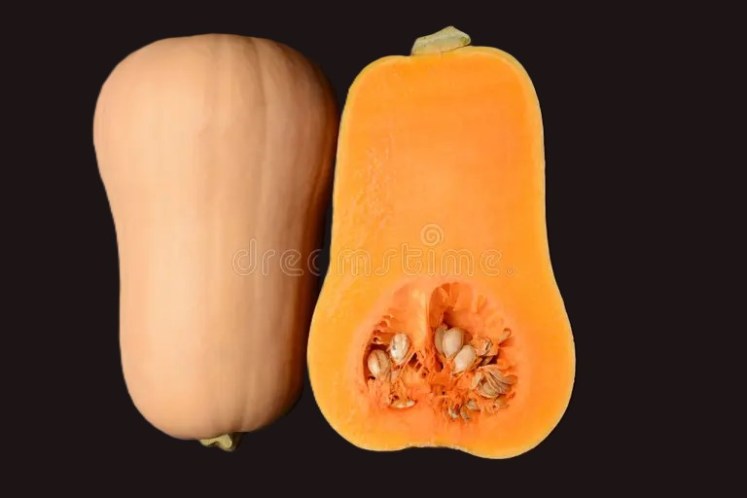
Butternut squash is a type of winter squash known for its sweet, nutty flavor and smooth, creamy texture when cooked. It has a distinctive bell or pear shape, with pale beige skin and deep orange flesh inside. Native to the Americas, it’s part of the gourd family, which also includes pumpkins and zucchinis.
How Does Butternut Squash Benefit Aging
Butternut squash is not just delicious, it’s also fantastic for supporting healthy aging. Here’s a breakdown of the key benefits of butternut squash as it relates to aging.
Butternut Squash Is Rich in Antioxidants
Butternut squash is high in beta-carotene, which the body converts to vitamin A, a powerful antioxidant that helps neutralize free radicals. These free radicals can damage cells and accelerate aging, especially in the skin, eyes, and brain. Antioxidants like beta-carotene support:
Healthier, more resilient skin
Stronger immune function
Reduced risk of age-related chronic diseases
Butternut Squash Supports Brain Health
Butternut Squash contains important nutrients like vitamin B6, folate, and vitamin E, all of which are associated with better cognitive function and a lower risk of age-related cognitive decline, including conditions like dementia or Alzheimer’s.
Butternut Squash Is Heart-Healthy
Aging increases the risk of heart disease, and butternut squash is a heart helper. It’s rich in the following heart-healthy nutrients.
Potassium, which helps regulate blood pressure
Fiber, which helps manage cholesterol levels
Magnesium, which supports cardiovascular health
Butternut Squash Supports Bones
Butternut squash contains manganese, vitamin C, and magnesium, which are all essential for maintaining strong bones and preventing conditions like osteoporosis as we age.
Butternut Squash Protects Eye Health
The beta-carotene (vitamin A) in butternut squash also plays a key role in preventing macular degeneration and other age-related eye diseases. Plus, it contains lutein and zeaxanthin, which are specifically linked to eye protection.
Butternut Squash Supports Digestion
With good fiber content, butternut squash helps maintain a healthy digestive system, which can often slow down with age. It supports regularity and a healthy gut microbiome, both essential for aging well.
Butternut Squash Is Low In Calories and High In Nutrition
As metabolism slows with age, nutrient-dense and lower-calorie foods become more important. Butternut squash provides a lot of nutrition without excess calories or unhealthy fats.
How To Prepare Butternut Squash
Butternut squash is incredibly versatile. It can be used in dozens of ways across savory and sweet dishes. While there’s no exact number, here’s a breakdown of the many ways it can be used in recipes.
Butternut Squash blends well, roasts beautifully, sweetens naturally, and adapts across cuisines from Italian to Thai to American comfort food.
Remove white parts of green onions, and finely chop. Chop greens into 2 inch pieces.
In a large heavy skillet over medium heat, mix coconut milk, 3 tablespoons soy sauce, brown sugar, curry powder, ginger, and chile paste. Bring to a boil.
Stir tofu, tomatoes, yellow pepper, mushrooms, and finely chopped green onions into the skillet. Cover, and cook 5 minutes, stirring occasionally. Mix in basil and bok choy. Season with salt and remaining soy sauce. Continue cooking 5 minutes, or until vegetables are tender but crisp. Garnish with remaining green onion.




 Irene Pastore Fitness.com