Olive Oil Over Butter: A Smart Swap For Healthy Aging


🥄 Olive Oil vs. Butter: A Smart Swap for Healthy Aging

As we age, every food choice can support, or slow down our health goals. Swapping butter for extra virgin olive oil is one of the simplest changes you can make for long-term wellness. Here are the many reasons why.

💓 Heart Health Boost
Olive oil is rich in monounsaturated fats that help lower LDL cholesterol and raise HDL cholesterol, keeping your arteries clear and your heart strong. On the other hand, the saturated fat in butter may raise LDL, which can contribute to plaque buildup over time.

🧠 Brain Protection
The antioxidants and healthy fats in olive oil support brain function, memory, and may lower the risk of cognitive decline. An important benefit for keeping your mind sharp in later years.

🔥 Anti-Inflammatory Power
Olive oil contains polyphenols, plant compounds that fight chronic inflammation, a key driver of age-related conditions like arthritis, heart disease, and even some cancers.

💪 Joint & Skin Support
Healthy fats in olive oil help maintain skin elasticity, reduce dryness, and support nutrient absorption, all key for a youthful glow and flexible joints.

🥗 Easy Ways to Use It

  • Drizzle over vegetables instead of butter.
  • Use in salad dressings.
  • Sauté fish, chicken, or greens at moderate heat.

The Bottom Line

For healthy aging, make olive oil your kitchen staple. Butter can still be enjoyed, but your heart, brain, and skin will thank you for choosing extra virgin olive oil.


How to Improve Floor Mobility and Boost Longevity—Starting Today


The Sit and Rise Test – A Powerful Predictor of Longevity

Yesterday, we introduced the Sit and Rise Test, a powerful predictor of longevity. But what if you struggled with the test , or couldn’t do it at all?

The good news? You can train for floor mobility, even in your 50s, 60s, and beyond. The key is building strength, balance, and flexibility through functional movements you can practice daily.

Why This Matters For Pre-Retirees

  • Prevents loss of independence.
  • Reduces the risk of falls and injuries.
  • Builds confidence for staying active in later years.

Basic Mobility Home Exercises

Squat Exercise Using Support

Supported Squat

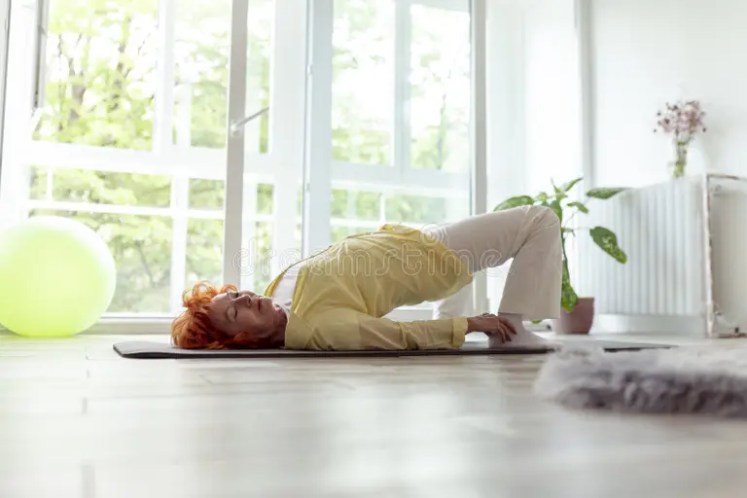
Bridge Exercise

Bridge

Middle Aged Woman Practicing A Squat Exercise from A Chair

Chair Squat To Stand

Supported Squat

  • Build thigh, glute, and leg strength.
  • Start in a standing position.
  • Hold onto a sturdy object.
  • Slowly lower to a mid squat.
  • Slowly return to standing position.
  • Repeat 3 to 5 repetitions or to tolerance.

Bridges

  • Use an exercise mat.
  • Build thigh, glute, and leg strength.
  • Lie on your back with feet hip width apart.
  • Arms at your sides. Palms down.
  • Slowly lift your back off the mat until knees are higher than shoulders.
  • Slowly lower your back to the start position.
  • Repeat 3 to 5 repetitions or to tolerance.

Chair Squat To Stand

  • Use a sturdy chair that won’t move during exercise.
  • Build thigh, glute, and leg strength.
  • Sit down in the chair with arms in front of you.
  • Slowy get up from the chair with arms in front of you.
  • Slowly sit down in the chair with arms in front of you.
  • Repeat 3 to 5 repetitions or to tolerance.

Quick Tip

Start small. Even doing just 5 to 10 minutes a day can make a real difference over time, especially for pre-retirees aiming to stay active and independent for the long haul.

Closing Thought

Don’t wait until you lose the ability to get off the floor. Train for it now. Your future self will thank you.
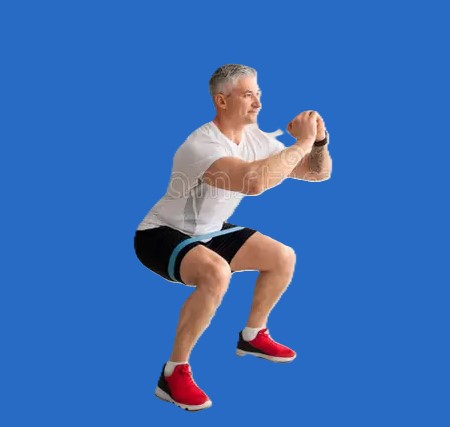

Aging Well Starts On The Floor: The Mobility Test That Predicts Longevity


What Is Floor Mobility?

Floor mobility is an essential skill for healthy aging. It is the ability to get up from the floor without assistance. Research shows that this ability is linked to longer life and better overall health.*

Why Floor Mobility Matters

  • It’s a powerful health predictor.
  • It keeps you independent.
  • It’s a sign of physical decline or strength.
  • It’s easier to maintain than regain.

Why It Works As A Predictor

The ability to sit and rise without assistance reflects a combination of the following.

  • Muscle strength
  • Joint mobility
  • Balance and coordination
  • Neuromuscular integration
  • Flexibility and core control

All of these functions are critical to daily function. They tend to decline with age if not actively maintained.

Quick At-Home Test

Use a padded floor or exercise mat. You can do this wearing sneakers or barefoot.

  1. Sit down on the floor without using your hands or leaning on anything.
  2. Now try to stand back up, without using your hands, knees, or nearby furniture.
  3. Subtract one point for each hand, arm, or knee used for support.
  4. Maximum score is 10.

If you don’t have the strength to attempt the mobility test, begin an exercise program as outlined below. Always check with your physician beforehand.

Tips To Improve Floor Mobility

  • Practice squats without equipment.
  • Strengthen your core and glutes with planks, bridges, and step-ups.
  • Improve balance with single-leg exercises.
  • Practice Yoga balance poses or Tai Chi .

*Study Title: Ability to sit and rise from the floor as a predictor of all-cause mortality
Published: December 2012
Journal: European Journal of Preventive Cardiology
Lead Author: Dr. Claudio Gil Araújo (Brazilian researcher and sports medicine specialist)

Avocado Nutrition: Why This Superfood is Essential


Sliced Avocado In A Serving Bowl

What Is An Avocado?

An avocado is a fruit that comes from the avocado tree, native to Central and South America. It’s known for its creamy texture and rich, nutty flavor. Some avocados have a green leather-like rough skin , while others are smooth. Once the peel is removed, the inside texture is a creamy pale green with a large center pit.

Avocados are considered a superfood since they are nutrient-dense. They contain 20 vitamins, minerals, fiber and phytonutrients. An avocado provides a quick, healthy snack.

What Is The Nutritional Value of Avocados?

  • High in monounsaturated fats, particularly oleic acid (heart-healthy).
  • Rich in fiber, potassium, and vitamins like K, E, C, and several B vitamins.
  • Low in sugar compared to most fruits.
  • Low Glycemic Index rating of 10.

What Are the Health Benefits of Avocados?

Heart Health

  • Monounsaturated fats, especially oleic acid, can help lower bad LDL cholesterol while raising good HDL cholesterol.
  • Potassium helps regulate blood pressure and supports cardiovascular health.
  • Beta-sitosterol, a plant sterol, may help maintain healthy cholesterol levels.

Brain and Nervous System Support

  • Healthy fats are essential for brain function and may improve cognitive health.
  • High in folate (vitamin B9), which supports brain development and mental health.

Anti-Inflammatory Effects

  • Rich in antioxidants like vitamin E, vitamin C, lutein, and zeaxanthin, which help fight inflammation and oxidative stress.
  • Oleic acid also has anti-inflammatory properties.

Digestive Health

  • High in fiber (~7 grams per half avocado) helps promote regular bowel movements and a healthy gut microbiome.
  • Soluble fiber also supports blood sugar control and satiety.

Eye Health

  • Avocados contain lutein and zeaxanthin, two antioxidants that concentrate in the eyes and help reduce the risk of macular degeneration and cataracts.

Blood Sugar Regulation

  • Low in carbs and sugar, high in fiber and healthy fats, which helps stabilize blood sugar and improve insulin sensitivity.

Skin and Hair Health

  • Rich in vitamin E and C, which support collagen production and skin repair.
  • Healthy fats help keep skin hydrated and supple.

How Are Avocados Used In Recipes?

  • Guacamole mashed with lime, salt, onions, and other ingredients.
  • Sliced or mashed on toast, salads, and sandwiches.
  • Used in smoothies, sushi, salads, soups, mayonnaise substitute, dips, and desserts.

Empowering Older Women Through Strength Training


Here Are Some Key Insights

  • Muscle loss begins around age 35. Women tend to reach critical levels of strength loss earlier than men due to lower peak muscle mass.
  • Strength training can reverse or slow declines in bone density, muscle mass, and metabolic health. Benefits that cardio alone can’t match.
  • Despite these benefits, adherence is a major challenge. Many women don’t stick with programs long enough to see results, or they don’t know how to modify workouts safely for their age or fitness level.
  • For women who were less active earlier in life, starting strength training later is still incredibly beneficial, though it may require more personalized guidance.

Information Source: Now.tufts.edu, Flippingfifty.com, and Girlsgonestrong.com