Dietary Prevention of Osteoporosis


What Is Osteoporosis

Normal and Osteoporotic Bones

Osteoporosis is a bone disease characterized by decreased bone mineral density and mass. As the disease progresses bones become weak and brittle leading to increased risk of fractures.

Symptoms of Osteoporosis

Osteoporosis is called the ‘silent disease’ since there are no symptoms until fractures start to occur. As the disease progresses symptoms may include back pain, loss of height, a stooped posture, and bone that breaks more easily than expected.

Dietary Prevention of Osteoporosis

Build strong bones by eating a diet rich in calcium. 98 percent of bodily calcium is stored in your bones. Men and women between the ages of 18 and 50 need 1,000 milligrams of calcium a day. This daily amount increases to 1,200 milligrams when women turn 50 and men turn 70.

Sources of Dietary Calcium

  • Kale
  • Yogurt
  • Bok Choy
  • Kefir
  • Broccoli
  • Canned Seafood: Sardines, Anchovies and Salmon
  • Hard Cheese: Parmesan, Romano
  • Turnip Greens
  • Cottage Cheese
  • Oranges and Orange Juice
  • Collard Greens
  • Almonds
  • Tofu
  • Almond Milk
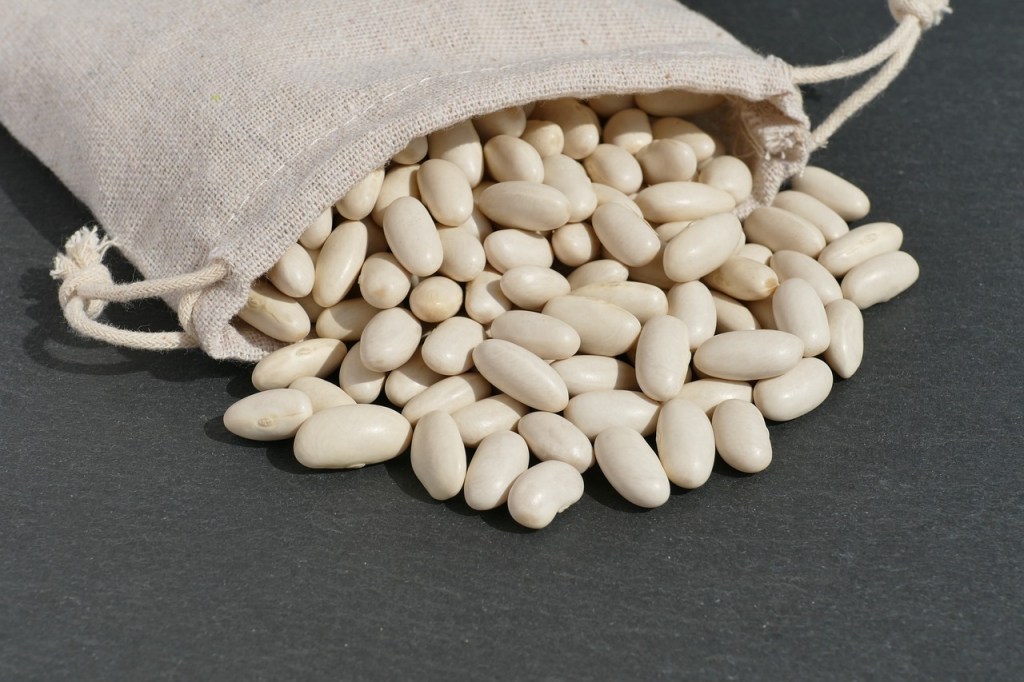
  • Great Northern Beans
  • Ricotta Cheese
  • Rhubarb
  • Figs
  • Soy Milk
  • Black Beans
  • Butternut Squash
  • Okra
  • Chickpeas
  • Unsweetened Rice Milk
  • Amaranth
  • Edamame
  • Powdered Milk

Medications That May Increase Osteoporosis Risk


This is a brief list of medications that may increase your risk of developing osteoporosis. For the complete article visit www.GoodRX.com.

Medications That May Increase Your Risk of Osteoporosis

Normal Bone Vs. Osteoporotic Bone
  • Corticosteroids: Prenisone, Medrol, Flovent.
  • SSRIs (selective serotonin re-uptake inhibitors) medications that treat depression: Prozac, Lexapro.
  • Proton pump inhibitors (PPIs) taken for chronic acid reflux.
  • Certain Type 2 Diabetes medications: Actos, Invokana.
  • Anti-androgen medications used to treat prostate cancer
    such as Casodex or Xtandi.
  • Certain seizure medications such as Tegretol, Dilantin, and Depakote.
  • Loop diuretics (water pills) such as Lasix, and Bumex.
  • Anti-estrogen medications used to treat or prevent certain
    types of breast cancer. Estrogen blockers: Soltamox,
    Femara, Arimidex, Aromasin.
  • Tramadol is an opioid pain medication.
  • Certain transplant medications such as Sandimmune,
    Neoral, Prograf, Astagraf S and Envarsus XR.

Health Video: Sarcopenia – Taking Charge of Your Muscles As You Age

Shop Our Health & Fitness Store


EXERCISE DOs and DONTs – As with all exercise programs, when using exercise videos that appear on this site, you need to use common sense. If your muscles are weak, either do the modifications, or don’t attempt this exercise if it’s too difficult for you. When starting an exercise program, be sure to discuss your plans with your healthcare provider