Stay Safe: Non-Slip Ice Grippers for Winter Walks


Ice Covered Pavement Is Dangerous

Icy winter pavement presents a dilemma for older adults. They need to get out on local errands, but are stranded at home, waiting for the ice to melt.

When sidewalks and driveways are as slick as an ice rink, even a short trip to the driveway is problematic.

While a strong core prevents falls under normal conditions, ice can override your strength and cause a bad fall.

How Non-Slip Ice and Snow Grippers Prevent Falls
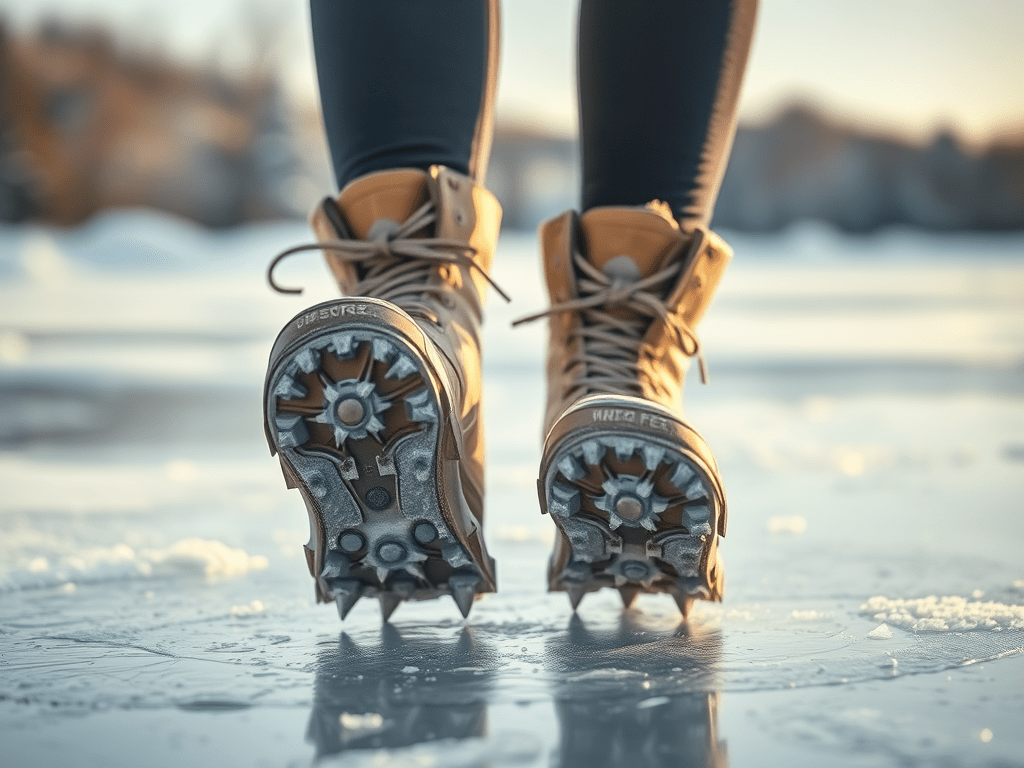
Non-slip ice grippers fit over shoes and boots. They are sold in sizes for men, women and children. Grippers are made with a series of stainless steel spikes that grip the ice, allowing you to walk without fear of falling.

Amazon has a wide array of these devices at various price points. Use the keywords ice grippers, ice cleats, or full foot traction in your search.
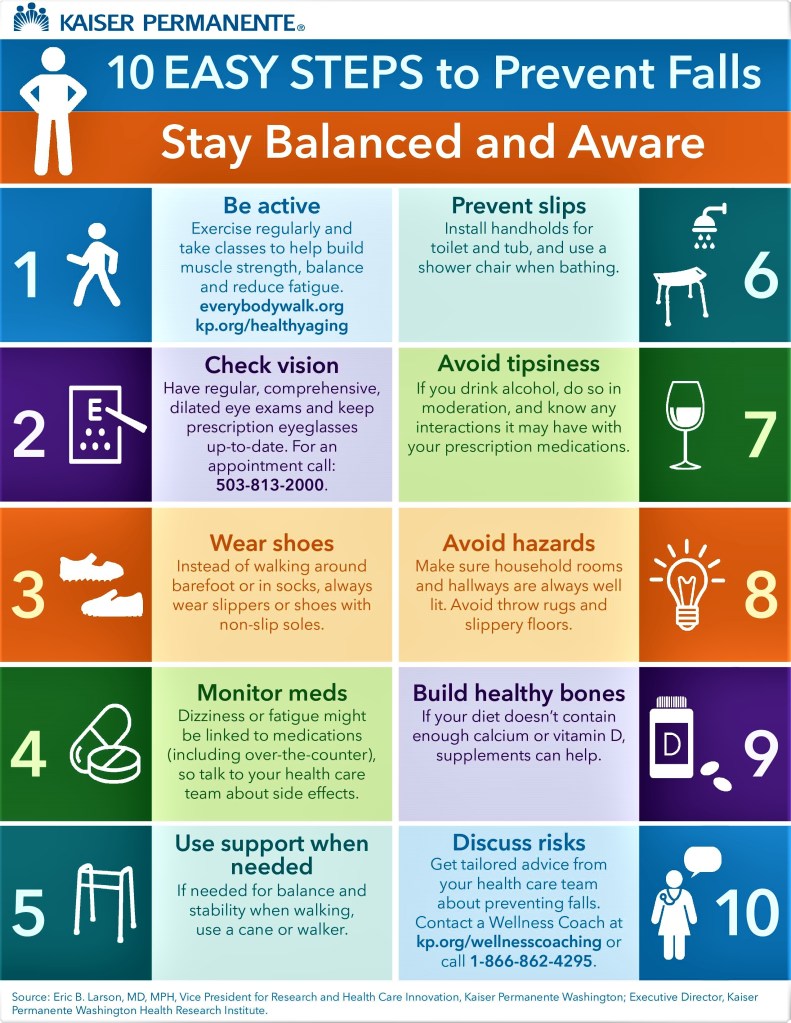

Strength Training for Older Adults: NIA Research Findings


“NIA (National Institutes On Aging) -supported researchers have been studying the effects of strength training for more than 40 years and have identified multiple ways it can benefit older adults, including maintaining muscle mass, improving mobility, and increasing the healthy years of life.”

“A big culprit for losing our physical abilities as we grow older is the age-related loss of muscle mass and strength, which is called sarcopenia. “


Read the full article from NIA.NIH.Gov

Longevity Advice for Older Adults From A Geriatric Specialist


Keys To Longevity for Older Adults: How To Age Well is an article appearing in UCHealth.org that discusses important medical advice not only useful for people over 50, but every adult who wants to attain healthy longevity.

Dr. Thomas Johnson, a specialist in geriatric medicine at the University of Colorado Seniors Clinic, encourages his patients to focus on the greatest quality of life during the years they have left.

Many of his patients want to live to one hundred. Dr. Johnson advises them to think of aging in a healthy and active way. He recommends exercise, fitness and the Mediterranean diet.

The article covers topics such as Blue Zones, the use of alcohol, nutritional supplements, and longevity drugs.


Read the entire August 1, 2024, article from UC Health.org.

Core Strength: A Key to Fall Prevention in Older Adults


Injuries From Falls Are Rising

Falls in older adults are becoming more common. Seniors who fall, may suffer serious injury, or death.

Falling down isn’t a natural part of aging.  It doesn’t have to happen. Prevention can go a long way to protect you.

Once injured from a fall, many older adults develop a fear of falling again. They may limit their activities, hoping to prevent another fall.

Latest Information from the Centers For Disease Control

  • Every year 1 out of 4 adults 65 and over falls.
  • 20 to 30 percent of people who fall, suffer moderate to severe injuries, such as cuts and bruises, fractured hips, and head trauma.
  • The most common areas subject to breaks, are the pelvis, spine, forearm, leg, hip, upper arm, and hand.
  • Most fatal falls occur at home.

How Core Strength Helps Older Adults

  • A stronger core means you’re more steady on your feet while going about your daily activities. 
  • Strengthening core muscles helps to maintain your independence.
  • Core strength improves your balance. You’re going to stop falling.
  • Life becomes more pleasant when you lose your fear of taking a fall.
  • You’ll be able to participate in recreational activities without fear of falling.

Questions about Core Strength Training For Active Agers are answered on my FAQ page.

Strengthening The Front of the Leg Helps To Prevent Tripping and Falling

This simple seated strengthening exercise works the anterior tibialis muscle located at the front of your leg. A strong anterior tibialis reduces the risk of injury to your calves and feet, reduces the chances of developing anterior tibialis tendonitis, and reduces the chances of tripping, or developing stress fractures and shin splints

Instructions

  • Connect tubing to a stationary object.
  • Sit in a chair with back support, and place a supporting object under extended leg. Or use equipment as shown in the video.
  • Place tubing around foot. Other foot rests on floor.
  • Slowly flex ankle toward you, and then release.
  • Repeat for desired repetitions.
  • Change sides and repeat exercise on the opposite leg.