Yogurt with Live Cultures: A Digestive Ally for Adults 55+


A Bowl of Fresh Plain Yogurt

What Is Yogurt?

What Are The Health Benefits for Older Adults

  • Supports Digestive Health: The probiotics in live-culture yogurt can help maintain a balanced gut microbiome, aiding digestion and nutrient absorption.
  • Boosts Immune Function: Regular consumption may enhance the immune system, reducing the risk of infections.
  • Improves Bone Health: Yogurt is a good source of calcium and vitamin D, essential for maintaining strong bones.
  • Enhances Nutrient Intake: It’s rich in protein, B vitamins, and other nutrients that are vital for overall health.

What Are The Nutritional Benefits of Yogurt?

  • Calcium: Supports strong bones and teeth; one cup provides approximately 30% of the daily recommended intake.
  • Vitamin D: Often fortified in yogurt, it enhances calcium absorption and supports immune function.
  • B Vitamins: Rich in B12 and riboflavin, which may protect against heart disease and certain neural tube birth defects.
  • Phosphorus & Magnesium: Essential for bone health and energy production.
  • Probiotics: Live cultures like Lactobacillus and Bifidobacterium promote a balanced gut microbiome, aiding digestion and immune health.

How To Incorporate Yogurt Into Your Diet

  • Smoothies: Blend yogurt wi th fruits and a splash of water or juice for a nutritious drink.
  • Salad Dressings: Mix yogurt with herbs and spices to create a creamy dressing.*
  • Marinades: Use yogurt to tenderize meats and add flavor.
  • Dips: Combine yogurt with cucumbers, garlic, and herbs for a refreshing dip.
  • Baking: Substitute yogurt for sour cream or butter in recipes to reduce fat content.

Sources: BonAppetit.com, Healthline, Medical Advocacy & Outreach

Why Yellow Squash is Great for Healthy Aging


Yellow Squash

What Is Yellow Squash?

Yellow squash is a type of summer squash that belongs to the Cucurbitaceae family, which also includes cucumbers, pumpkins, and melons. It’s typically harvested while still immature, which gives it a tender texture and mild, slightly sweet flavor. Yellow squash is commonly used in a variety of dishes, both cooked and raw.

Botanically, yellow squash is actually a fruit since it comes from a flower and contains seeds. Foods such as tomatoes, cucumbers, and bell peppers are also considered fruits by botanists, but treated as vegetables in the kitchen.

What Are The Nutritional Benefits of Yellow Squash?

Yellow Squash is a nutritious vegetable, rich in vitamin C, fiber, vitamin B6, folate, beta-carotene, potassium, fiber, lutein, manganese, antioxidants, and low in saturated fat and cholesterol. Yellow squash is low in calories and has a low glycemic index of about 15. These factors makes it a popular choice for healthy cooking.

Nutritional Support and Healthy Aging

Yellow squash offers several nutritional benefits that support healthy aging, thanks to its content of vitamins, minerals, fiber, and antioxidants. Here’s how it contributes to aging well.

  • Brain and cognitive health
  • Heart health
  • Eye health
  • Bone health
  • Muscle maintenance and metabolism
  • Immune support and cellular protection
  • Digestive health

How To Prepare Yellow Squash

  • Sautéed, grilled, roasted, or steamed.
  • Added to stir-fries, casseroles, soups, or salads.
  • Spiralized as a low-carb pasta alternative.

Optimize Your Gut Health After 50


Why Your Gut Needs Different Foods After 50

Your digestive system plays a major role in your overall health, especially as you get older. From nutrient absorption to immune defense and even mood regulation, your gut does a lot more than break down food. And with age, its needs change. Fortunately, what you eat can help keep things running smoothly.

In this post, we’ll look at how aging affects your gut—and what foods can help support it.

How Aging Affects Your Digestive System

You might notice that digestion feels a little different in your 50s, 60s, and beyond. That’s because several age-related changes begin to affect how your gut functions:

  • Slower digestion: Your metabolism slows down, which means food moves more slowly through the digestive tract.
  • Reduced stomach acid: This can impact the absorption of important nutrients like vitamin B12, iron, and calcium.
  • Less diverse gut bacteria: The balance of “good” bacteria in your gut can shift, affecting everything from digestion to immunity.
  • More constipation and bloating: Decreased muscle tone in the digestive tract can lead to discomfort and irregularity.

The good news? Food can help address many of these issues—if you give your gut what it needs.

Gut-Friendly Foods For Older Adults

FIBER RICH FOODS

Fiber is crucial for regularity, blood sugar balance, and feeding the good bacteria in your gut.

  • Best sources: beans, lentils, oats, chia seeds, berries, leafy greens, broccoli.
  • Tip: Increase fiber gradually and drink more water to avoid gas or bloating.

FERMENTED FOODS

Fermented foods naturally contain probiotics—live bacteria that support a healthy microbiome.

  • Try live culture yogurt, kefir, kimchi, sauerkraut, miso, tempeh
  • Look for “live and active cultures” on food labels.

HYDRATION IS KEY

Dehydration is common in older adults and often contributes to constipation.

  • Drink enough water to stay hydrated. The amount varies depending on age, health, climate and activity level.
  • Food and beverages, such as soup, fruit and tea also count as hydration.

HEALTHY FATS

Good fats support nutrient absorption and reduce inflammation in the gut lining.

  • Add: olive oil, avocado, nuts, seeds, and fatty fish like salmon.

EASY WAYS TO IMPROVE DIGESTION

Changing how you eat can be just as important as what you eat:

  • Eat smaller, more frequent meals if large meals make you feel sluggish or bloated.
  • Chew your food thoroughly to give digestion a head start.
  • Avoid heavy meals before bed, which can disrupt sleep and slow digestion.
  • Consider digestive enzymes or probiotics.

Ths article is for educational purposes only. It does not replace the advice of your healthcare practitioner.

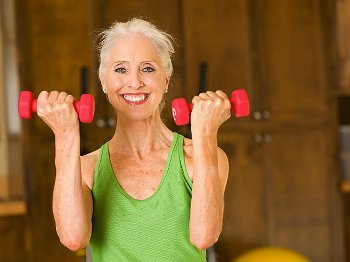
Empowering Older Women Through Strength Training


Here Are Some Key Insights

  • Muscle loss begins around age 35. Women tend to reach critical levels of strength loss earlier than men due to lower peak muscle mass.
  • Strength training can reverse or slow declines in bone density, muscle mass, and metabolic health. Benefits that cardio alone can’t match.
  • Despite these benefits, adherence is a major challenge. Many women don’t stick with programs long enough to see results, or they don’t know how to modify workouts safely for their age or fitness level.
  • For women who were less active earlier in life, starting strength training later is still incredibly beneficial, though it may require more personalized guidance.

Information Source: Now.tufts.edu, Flippingfifty.com, and Girlsgonestrong.com

Legendary Musicians Still Performing: Willie Nelson 92


Willie Nelson the legendary country singer, songwriter and guitarist, was born in Texas in 1933. He’s considered one of country music’s most influential artists. His career spans seven decades, and even in his 90s, he continues to tour and record new music. Beyond music, he has acted in over 30 films, written several books, and is a vocal advocate for biofuels and marijuana legalization.


Understanding the Mental Health Impact of Romance Scams