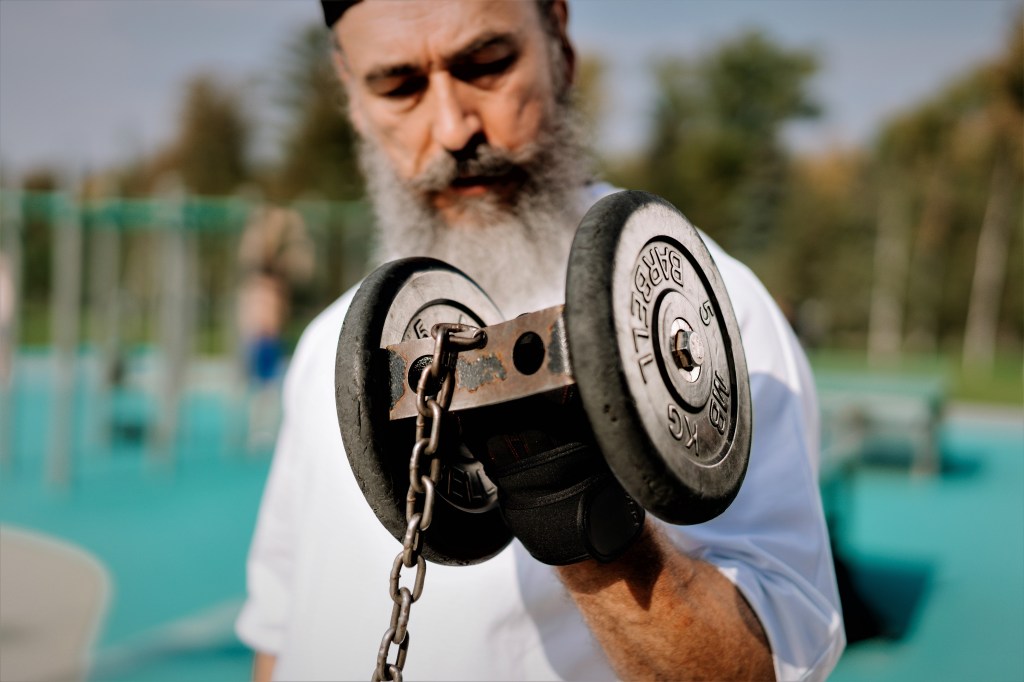
Feel Down? Get Up – Emotional Benefits of Exercise

Research has shown that the benefits of exercise go beyond just physical well-being. Exercise helps support emotional and mental health. So next time you’re feeling down, anxious, or stressed, try to get up and start moving!

Physical Activity Can Help
  • Reduce feelings of depression and stress, while improving your mood and overall emotional well-being.
  • Increase your energy level.
  • Improve sleep.
  • Empower you to feel more in control.

In addition, exercise and physical activity may possibly improve or maintain some aspects of cognitive function, such as your ability to shift quickly between tasks, plan an activity, and ignore irrelevant information.

Exercise ideas to help lift your mood
  • Walking, bicycling, or dancing. Endurance activities increase your breathing, get your heart pumping, and also boost chemicals in your body that may improve mood.
  • Yoga. A mind and body practice that typically combines physical postures, breathing exercises, and relaxation.
  • Tai Chi. A “moving meditation” that involves shifting the body slowly, gently, and precisely, while breathing deeply.
  • Activities you enjoy. Whether it’s gardening, playing tennis, kicking around a soccer ball with your grandchildren, or something else, choose an activity you want to do, not have to do.
Quick Tip

Exercise with a friend and get the added benefit of emotional support.

Download the Tip Sheet

Feel Down? Get Up – Emotional Benefits of Exercise (PDF. 492.86 KB)

Syndicated Content Details:
Source URL: https://go4life.nia.nih.gov/tip-sheets/feel-down-get-emotional-benefits-exercise
Source Agency: National Institute on Aging (NIA)
Captured Date: 2016-07-15 19:01:00.0

Healthy Living In Your 70s

Preventive Health Care Guidelines From The U.S. Preventive Services Task Force


You’re in your 70s! What can you do to be as healthy as possible? Your yearly wellness visit is a good time to talk about your personalized prevention plan. This plan helps keep you well and healthy. If your doctor or nurse accepts Medicare, you will not pay anything for your yearly wellness visit. The yearly wellness visit is not the same as an annual exam or physical. Learn more at Medicare.gov. Get the conversation started at your next wellness visit with this list.

Every day, I will try to:


  • Eat healthy — use the Eat MyPlate Plan to get started
  • Get at least 30 minutes of physical activity. Each week I will do aerobic activity and exercises to improve my balance and strengthen my muscles. I will talk to my doctor about any conditions that limit my ability to do regular physical activity.
  • Get at least 7 to 8 hours of sleep
  • Reach and maintain a healthy weight
  • Get help to quit or not start smoking
  • Limit alcohol use to 1 drink or less
  • Wear a helmet when riding a bike and wear protective gear for sports
  • Not use illegal drugs or misuse prescription drugs
  • Wear a seat belt in cars and not text and drive

I will talk to my doctor at least once a year about:


  • My weight, height, diet, and physical activity level
  • Whether I use tobacco, alcohol, or drugs
  • Any violence in my life
  • Depression and any other mental health concerns
  • Who will make health care decisions for me if I am unable to

I will ask my doctor whether I am at higher risk of or need tests, medicines, or vaccines this year for:


  • Blood pressure
  • Breast cancer prevention medicines
  • Cholesterol
  • Colorectal cancer
  • Diabetes
  • Flu
  • Hepatitis A, B, and C
  • HIV
  • Lung cancer (if I smoke now or have quit within the last 15 years)
  • Mammogram
  • Meningitis
  • Osteoporosis
  • Pneumonia
  • Shingles
  • Sexually transmitted infections
  • Tetanus, diphtheria, and whooping cough
  • Tuberculosis
  • Urinary incontinence


Download/Print this checklist (PDF, 256 KB)

Bookmark this checklist

The decision to get any medical test or procedure, at any age, is a personal one between you and your doctor. These age ranges may not apply to every person.

These guidelines are based on recommendations from the U.S. Preventive Services Task Force  (link is external), the Advisory Committee on Immunization Practices, the Women’s Preventive Services Guidelines, the 2015–2020 Dietary Guidelines for Americans, and the 2018 Physical Activity Guidelines for Americans.

All material contained on these pages are free of copyright restrictions and maybe copied, reproduced, or duplicated without permission of the Office on Women’s Health in the U.S. Department of Health and Human Services. Citation of the source is appreciated.

Page last updated: February 25, 2021

Healthy Living In Your 90s

You’re in your 90s! What can you do to be as healthy as possible? Your yearly wellness visit is a good time to talk about your personalized prevention plan. This plan helps keep you well and healthy. If your doctor or nurse accepts Medicare, you will not pay anything for your yearly wellness visit. The yearly wellness visit is not the same as an annual exam or physical. Learn more at Medicare.gov. Get the conversation started at your next wellness visit with this list.

Every day, I will try to:
  • Eat healthy — use the MyPlate Plan to get started
  • Get at least 30 minutes of physical activity. Each week I will do aerobic activity and exercises to improve my balance and strengthen my muscles. I will talk to my doctor about any conditions that limit my ability to do regular physical activity.
  • Get at least 7 to 8 hours of sleep
  • Reach and maintain a healthy weight
  • Get help to quit or not start smoking
  • Limit alcohol use to 1 drink or less
  • Not use illegal drugs or misuse prescription drugs
  • Wear a helmet when riding a bike and wear protective gear for sports
  • Wear a seat belt in cars and not text and drive
I will talk to my doctor at least once a year about:
  • My weight, height, diet, and physical activity level
  • Whether I use tobacco, alcohol, or drugs
  • Any violence in my life
  • Depression and any other mental health concerns
  • Who will make health care decisions for me if I am unable to
I will ask my doctor whether I am at higher risk of or need tests, medicines, or vaccines this year for:
  • Blood pressure
  • Breast cancer prevention medicines
  • Flu
  • Hepatitis A, B, and C
  • HIV
  • Osteoporosis
  • Pneumonia
  • Shingles
  • Sexually transmitted infections
  • Tetanus, diphtheria, and whooping cough
  • Tuberculosis
  • Urinary incontinence

Download/Print this checklist (PDF, 250 KB)

Bookmark this checklist

The decision to get any medical test or procedure, at any age, is a personal one between you and your doctor. These age ranges may not apply to every person.

These guidelines are based on recommendations from the U.S. Preventive Services Task Force  (link is external), the Advisory Committee on Immunization Practices, the Women’s Preventive Services Guidelines, the 2015–2020 Dietary Guidelines for Americans, and the 2018 Physical Activity Guidelines for Americans.

All material contained on these pages are free of copyright restrictions and maybe copied, reproduced, or duplicated without permission of the Office on Women’s Health in the U.S. Department of Health and Human Services. Citation of the source is appreciated.

Page last updated: February 25, 2021