Health Benefits of Strawberries You Need to Know


Fresh Strawberries

Fresh Strawberries


What Are Strawberries?

A strawberry is a small, heart-shaped fruit known for its vibrant red color, juicy texture, and sweet-tart flavor. It’s covered in tiny seed-like specks called achenes, which are actually the fruit’s true seeds. Strawberries are beloved for their aroma and are enjoyed fresh, cooked, or preserved in countless dishes.

Strawberries are considered a superfood due to their abundant nutrient profile. They’re packed with vitamin C, fiber, and antioxidants like anthocyanins and ellagic acid, which help fight inflammation, support heart health, and may even reduce the risk of chronic diseases like cancer and diabetes.

What makes them especially “super” is that they deliver all these benefits while being low in calories and sugar, making them a smart choice for nearly any diet. They have a low Glycemic Index of 40.

What Are the Health Benefits of Strawberries?

Strawberries are a nutritional powerhouse with a wide range of benefits:

  • Heart Health: Rich in anthocyanins and potassium, which help lower blood pressure and cholesterol.
  • Immune Support: One cup provides more than 100% of your daily vitamin C needs.
  • Anti-inflammatory: High in antioxidants like ellagic acid and flavonoids that reduce inflammation and oxidative stress.
  • Brain Function: May help slow cognitive decline and reduce risk of Alzheimer’s.
  • Blood Sugar Control: Low glycemic index and high fiber content help regulate glucose levels.

Nutrients and Antioxidants In Strawberries

N U T R I E N TB E N E F I T
Vitamin CImmune health, skin repair, antioxidant
ManganeseBone health, metabolism support
Folate (B9)Cell growth, especially important in pregnancy
PotassiumBlood pressure regulation
FiberDigestive health, satiety
AnthocyaninsHeart health, anti-aging
Ellagic AcidAnti-cancer, anti-inflammatory
ProcyanidinsVascular health, antioxidant

How To Use Strawberries In Cooking

Strawberries are incredibly versatile! Here are some delicious ways to enjoy them.

  • Fresh: Toss into salads, yogurt, or cereal.
  • Baked: Use in cakes, muffins, cobblers, and pies (like strawberry shortcake or bundt cake).
  • Frozen: Blend into smoothies or daiquiris.
  • Sauces & Jams: Make compotes, syrups, or classic strawberry jam.
  • Savory Pairings: Combine with balsamic vinegar, goat cheese, or avocado in salads.
  • Breakfast: Add to pancakes, French toast bakes, or oatmeal.
Avocado Nutrition: Why This Superfood is Essential


Sliced Avocado In A Serving Bowl

What Is An Avocado?

An avocado is a fruit that comes from the avocado tree, native to Central and South America. It’s known for its creamy texture and rich, nutty flavor. Some avocados have a green leather-like rough skin , while others are smooth. Once the peel is removed, the inside texture is a creamy pale green with a large center pit.

Avocados are considered a superfood since they are nutrient-dense. They contain 20 vitamins, minerals, fiber and phytonutrients. An avocado provides a quick, healthy snack.

What Is The Nutritional Value of Avocados?

  • High in monounsaturated fats, particularly oleic acid (heart-healthy).
  • Rich in fiber, potassium, and vitamins like K, E, C, and several B vitamins.
  • Low in sugar compared to most fruits.
  • Low Glycemic Index rating of 10.

What Are the Health Benefits of Avocados?

Heart Health

  • Monounsaturated fats, especially oleic acid, can help lower bad LDL cholesterol while raising good HDL cholesterol.
  • Potassium helps regulate blood pressure and supports cardiovascular health.
  • Beta-sitosterol, a plant sterol, may help maintain healthy cholesterol levels.

Brain and Nervous System Support

  • Healthy fats are essential for brain function and may improve cognitive health.
  • High in folate (vitamin B9), which supports brain development and mental health.

Anti-Inflammatory Effects

  • Rich in antioxidants like vitamin E, vitamin C, lutein, and zeaxanthin, which help fight inflammation and oxidative stress.
  • Oleic acid also has anti-inflammatory properties.

Digestive Health

  • High in fiber (~7 grams per half avocado) helps promote regular bowel movements and a healthy gut microbiome.
  • Soluble fiber also supports blood sugar control and satiety.

Eye Health

  • Avocados contain lutein and zeaxanthin, two antioxidants that concentrate in the eyes and help reduce the risk of macular degeneration and cataracts.

Blood Sugar Regulation

  • Low in carbs and sugar, high in fiber and healthy fats, which helps stabilize blood sugar and improve insulin sensitivity.

Skin and Hair Health

  • Rich in vitamin E and C, which support collagen production and skin repair.
  • Healthy fats help keep skin hydrated and supple.

How Are Avocados Used In Recipes?

  • Guacamole mashed with lime, salt, onions, and other ingredients.
  • Sliced or mashed on toast, salads, and sandwiches.
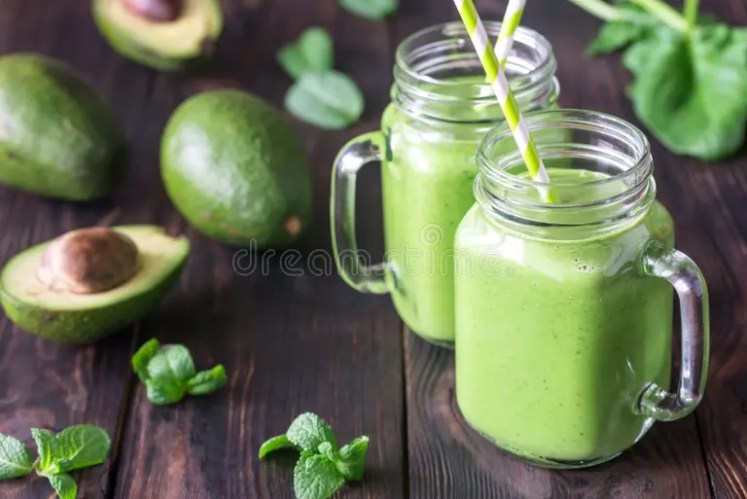
  • Used in smoothies, sushi, salads, soups, mayonnaise substitute, dips, and desserts.

Empowering Older Women Through Strength Training


Here Are Some Key Insights

  • Muscle loss begins around age 35. Women tend to reach critical levels of strength loss earlier than men due to lower peak muscle mass.
  • Strength training can reverse or slow declines in bone density, muscle mass, and metabolic health. Benefits that cardio alone can’t match.
  • Despite these benefits, adherence is a major challenge. Many women don’t stick with programs long enough to see results, or they don’t know how to modify workouts safely for their age or fitness level.
  • For women who were less active earlier in life, starting strength training later is still incredibly beneficial, though it may require more personalized guidance.

Information Source: Now.tufts.edu, Flippingfifty.com, and Girlsgonestrong.com