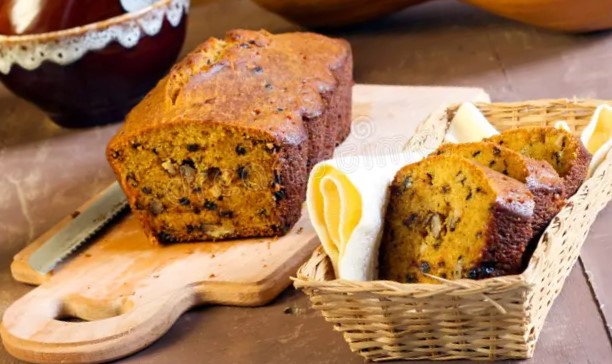
Delicious Butternut Squash Bread Recipe


Butternut Squash Loaf Bread

Butternut Squash Bread Recipe

INGREDIENTS

  • 2 ⅔ cups white sugar
  • ⅔ cup butter
  • 2 cups pureed cooked butternut squash
  • 4 large eggs
  • ⅔ cup water
  • 3 ⅓ cups all-purpose flour
  • 2 teaspoons baking soda
  • 2 teaspoons baking powder
  • 1 ½ teaspoons salt
  • 1 teaspoon ground cinnamon
  • 1 teaspoon ground cloves or to taste
  • ⅔ cup chopped walnuts (Optional)
  • ⅔ cup raisins (Optional)

INSTRUCTIONS

  • Preheat the oven to 350 degrees F (175 degrees C). Grease two 9×5-inch loaf pans.
  • Beat sugar and butter together in a bowl until fluffy. Stir butternut squash, eggs, and water into sugar mixture.
  • Mix flour, baking soda, baking powder, salt, cinnamon, and ground cloves in another bowl; stir into sugar mixture. Add walnuts and raisins; stir until batter is just blended. Pour batter into prepared loaf pans.
  • Bake in the preheated oven until a toothpick inserted into the center comes out clean, about 1 hour. Cool in the pans briefly before removing to cool completely on a wire rack.

Recipe Source: AllRecipes.com

Health Benefits of Butternut Squash


Butternut Squash

What Is Butternut Squash?

Butternut Squash Cross Section

Butternut Squash is commonly used as a vegetable. Botanically it’s actually a fruit. The skin is tan to yellow with an bright orange fleshy pulp that contains seeds. Butternut Squash a carbohydrate food. It is related to pumpkin, zucchini and calabaza squash.

Butternut Squash has a low glycemic index of 51. It is also low in calories measuring out at 80 calories in one cup. Eating low glycemic helps you manage blood sugar and weight. It is rich in vitamins, minerals and disease-fighting antioxidants.

Health Benefits

Butternut Squash Loaf Bread
  • Protects against heart disease
  • Supports immune system
  • Excellent for eye health
  • Hydration
  • Helps to manage blood pressure
  • Balances blood sugar

Butternut Squash Nutrition

  • Vitamin A, C, E, B1, B3, B6, B9
  • Vitamin C
  • Magnesium
  • Potassium
  • Calcium
  • Fiber
  • Carotenoids

How To Prepare Butternut Squash

  • Cut into cubes and boil in water.
  • Cut into cubes and oven roast.
  • Cut into cubes, boil in water and mash with a fork.
  • Cut cooked squash into pieces and puree in a food processor.
  • Puree cooked squash and use it in soups, sauces and dips.
  • Grate raw over a salad.
  • Cut raw strips and dip into hummus.

Obesity in Older Adults: Alarming Statistics and Health Risks


Health Policy Institute’s Grim Report On Aging and Obesity

” Some 15 million older adults — people over the age of 51 — are obese. This represents nearly one in four older adults. While obesity itself is not a chronic condition, it is a risk factor for many chronic conditions, including four of the ten leading causes of death in the U.S. — coronary heart disease, type II diabetes, stroke and several forms of cancer.”

Did You Know That

  • Disability rates are higher among adults who are obese.
  • Obese older adults are more likely to be severely disabled than those who are not obese.
  • Older adults who are obese are more likely to suffer from persistent and chronic symptoms of illness.
  • 22 percent of obese adults age 51 to 69 say they frequently feel severely fatigued or exhausted.
  • Older obese adults are more likely than older non-obese adults to have difficulty or be unable to participate in activities such as walking any distance, going shopping, or attending movies, parties, or other social events.

Source: Georgetown University Health Policy Institute


Read the full report here: Obesity Among Older Americans

Break Free from the Fat Gene: Weight Loss Success


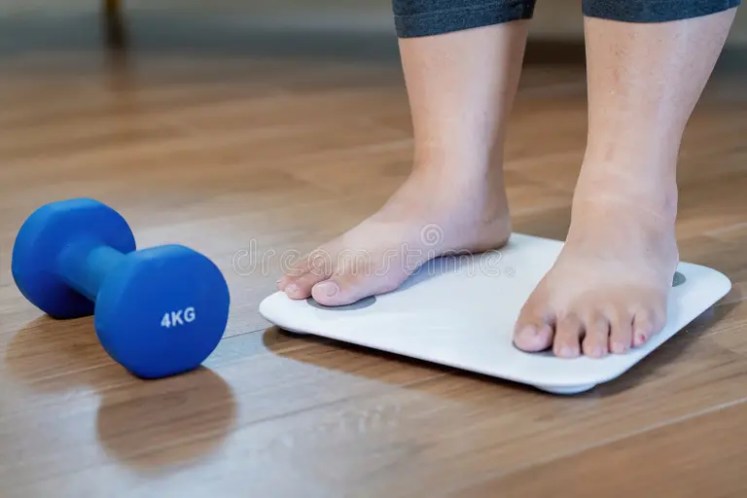
Overweight Woman Weighing Herself On A Scale.

Research shows that even if you’re likely to be obese because of your genes, you can change course by breaking a sweat regularly.

A informative article from WebMD gives hope to those who want to lose excess weight while having obesity in their family. You don’t have to accept obesity as your fate and you can lose with diet and exercise.

What You’ll Learn About Obesity and Weight Loss

  • The Fat Gene may cause you to naturally store more fat.
  • Many factors contribute to obesity including genetics, behavior and environment.
  • The increase in worldwide obesity can’t be explained by genetics.
  • Genetic predisposition to obesity can be overcome with lifestyle.
  • Family history alone doesn’t make you obese.

Your Road Map Toward Destination Weight Loss

  • Get Active with walking and weight training.
  • Eat Less by cutting calories to lose 1-2 pounds weekly.
  • Choose Good-For-You Foods by eating more fruits and veggies, fat-free dairy, whole grains, fish, lean meats, beans, eggs and nuts.

Read the full article here: Are You Fated To Be Fat?

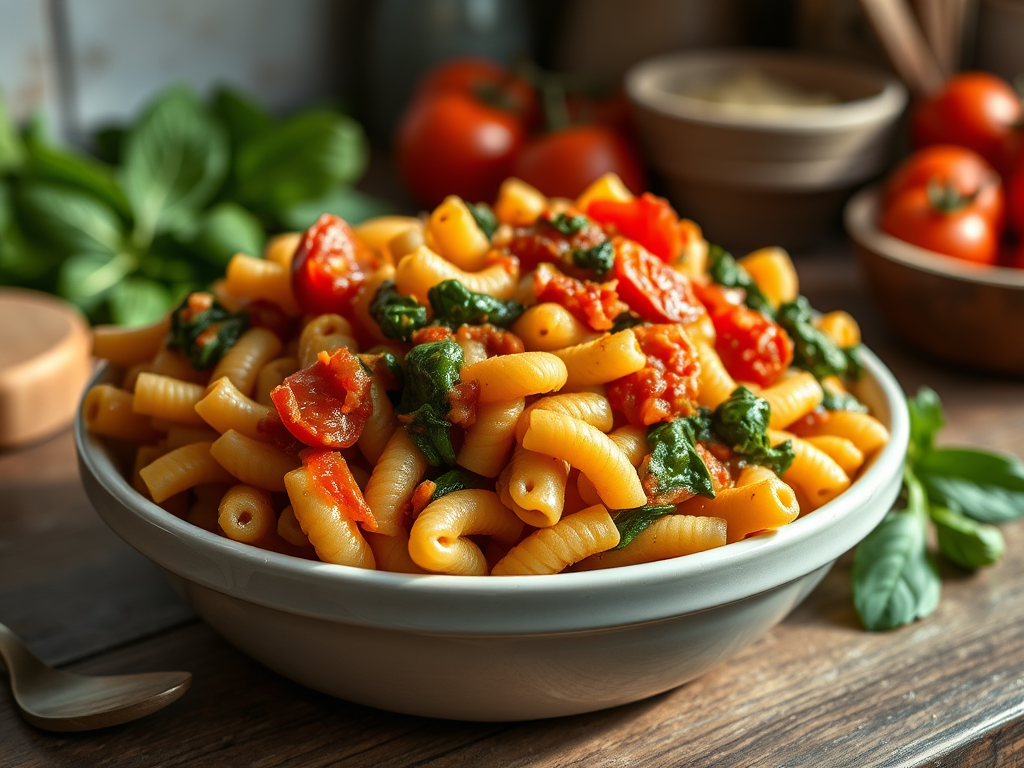
Healthy Pasta Dish with Swiss Chard and Tomatoes


Pasta With Swiss Chard Recipe

INGREDIENTS

  • 8 ounces Penne, Rotelle, Rigatoni, or Gomiti (elbows) cooked and drained
  • 1/4 cup pasta cooking water
  • 1 tablespoons olive oil
  • 1/2 chopped onion
  • 1 clove garlic, finely chopped or thinly sliced
  • 1 pound Swiss chard, washed, stems removed and coarsely chopped
  • 1/2 cup red or white wine or chicken stock
  • 1 cup crushed red tomatoes
  • 1 tablespoon toasted pine nuts (optional)
  • Salt and pepper
  • 1 teaspoon red pepper flakes

INSTRUCTIONS

  • In a large skillet heat the oil and stir in the onion.
  • Cook for 2 minutes and stir in the garlic.
  • Add the chopped Swiss chard and toss to coat.
  • Pour in the wine or stock and stir to coat.
  • When the chard begins to wilt, stir in the tomatoes, red pepper flakes and pine nuts.
  • Bring to a simmer and stir in the reserved pasta cooking water.
  • Remember: Do Not over cook the chard. It is ready to serve just after it has wilted.
  • Add the cooked pasta and toss to coat. Serve immediately.

Yield: 2 Servings


Recipe Source: FoodNetwork.com