

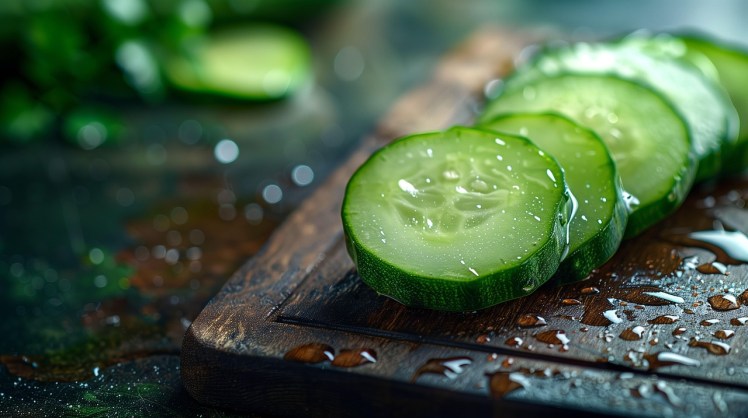
What Is A Cucumber?
Botanically speaking, a cucumber is a fruit because it develops from the flower of the cucumber plant and contains seeds. By that definition, it’s in the same club as tomatoes, peppers, and squash.
But in the culinary world, cucumbers are treated as vegetables—used in salads, savory dishes, and rarely in desserts—so they wear the veggie badge in the kitchen.
So, depending on whether you’re a botanist or a chef, the cucumber plays both roles.
Aging and Cucumbers
Cucumbers may seem humble, but they’ve got some serious superpowers, especially when it comes to aging gracefully. Cucumbers offer a refreshing way to support healthy aging thanks to their unique blend of nutrients and antioxidants. Some of the rejuvenating benefits include Hydration and Skin Health, Bone Support, Antioxidant Effects, Heart and Blood Pressure Benefits, Weight and Digestion.
What Is The Nutritional Profile of Cucumbers?
Cucumbers are 95% water, but they pack a surprising punch of nutrients and beneficial compounds. Here’s a breakdown of what you’ll find in them.
Vitamins
- Vitamin K: Supports blood clotting and bone health.
- Vitamin C: Antioxidant that boosts immunity and skin health.
- Vitamin A: Helps with vision, immunity, and o.rgan function.
- B Vitamins: B1 (thiamin), B2 (riboflavin), B3 (niacin), B5 (pantothenic acid), B6, and folate (B9), support energy metabolism and brain function.
- Vitamin E: Antioxidant that protects cells from damage.
Minerals
- Potassium: Helps regulate blood pressure and fluid balance.
- Magnesium: Supports muscle and nerve function.
- Calcium: Essential for bones and teeth.
- Phosphorus: Works with calcium for bone health.
- Iron: Important for oxygen transport in the blood.
- Zinc: Supports immune function and wound healing.
- Copper, Manganese, Selenium: Trace minerals with various roles in metabolism and antioxidant defense.
Antioxidants & Phytochemicals
- Cucurbitacins: Plant compounds with potential anti-cancer properties.
- Fisetin: A flavonoid with anti-inflammatory and neuroprotective effects.
- Lignans: May support heart health and reduce cancer risk.
- Beta-carotene, lutein, zeaxanthin: Supports eye health and fight oxidative stress.
Other Benefits
- High water content (about 95%): Excellent for hydration.
- Low in calories and sugar: Great for weight management.
- Dietary fiber: Especially in the peel, helps digestion and gut health.
How To Prepare Cucumbers
Cucumbers are incredibly versatile in the kitchen. They have a cool, crisp texture and can be combined with just about any flavor profile. Here’s a short list of culinary uses of cucumbers.
- Salads
- Sandwiches and Wraps
- Salsas and Slaws
- Pickled
- Roasted or Grilled
- Sauteed or Stir-Fried
- Baked
- Smoothies
- Salad Dressing
- Raw Snack
- Dipped in Hummus
 Irene Pastore Fitness.com