

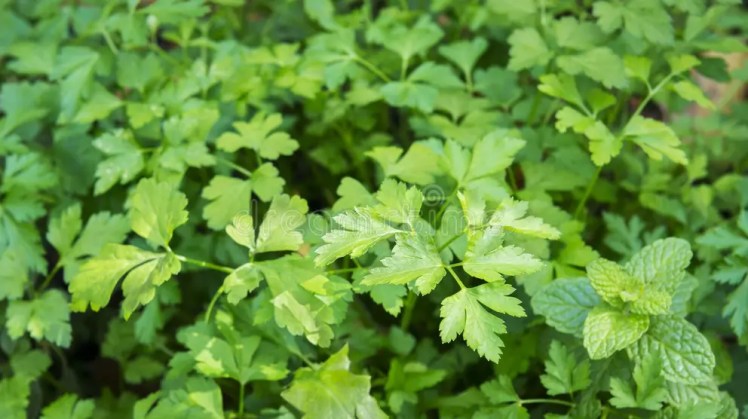
What Is Cilantro?
Cilantro, also known as coriander leaves, is a fragrant herb widely used in global cuisine. It has a zesty, bright, spicey flavor that enhances dishes like guacamole, salsa, curries, and stir-fries. It is usually eaten raw, but can be blended into soups, stews, or marinades.
Health Benefits
Cilantro is packed with antioxidants and may help remove heavy metals like mercury and lead from the body. It contains vitamins K, C, and A, along with minerals like iron and magnesium, supporting heart health, digestion, and even sleep quality.
- Vitamin C: A powerful antioxidant that boosts immunity and skin health.
- Vitamin K: Essential for blood clotting and bone health.
- Vitamin A: Supports vision, immune function and skin health.
- Folate: Important for cell growth and metabolism.
- Manganese: Supports metabolism and bone health.
- Iron: Vital for oxygen transport in the blood.
- Magnesium: Plays a role in muscle and nerve function.
- Potassium: Helps regulate blood press and muscle function.
- Kaempferol: Linked to anti-cancer properties.
- Dodecenal: Has antimicrobial effects, potentially protecting against foodborne illnesses.
- Quercetin: May help reduce inflammation and support heart health.
Popular Uses In Cooking
- Indian & Thai Dishes: Used in chutneys, curries, and soups.
- Mexican Cuisine: Essential ingredient in salsa, guacamole, and tacos.
- Salads & Dressings: Adds brightness to vinaigrettes and coleslaw.
- Rice & Stir-Fries: Enhances flavor when mixed with lime or soy sauce.
- Seafood & Meats: Often paired with shrimp, chicken, or grilled meats.
Storage and Preparation
To keep cilantro fresh, store it in a jar of water covered with a plastic bag in the refrigerator. It should last about a week. When cleaning, gently rinse the leaves under cold water to avoid tearing them.
Source: LiveEatLearn.com, AllRecipes.com, WebMD.com
 Irene Pastore Fitness.com