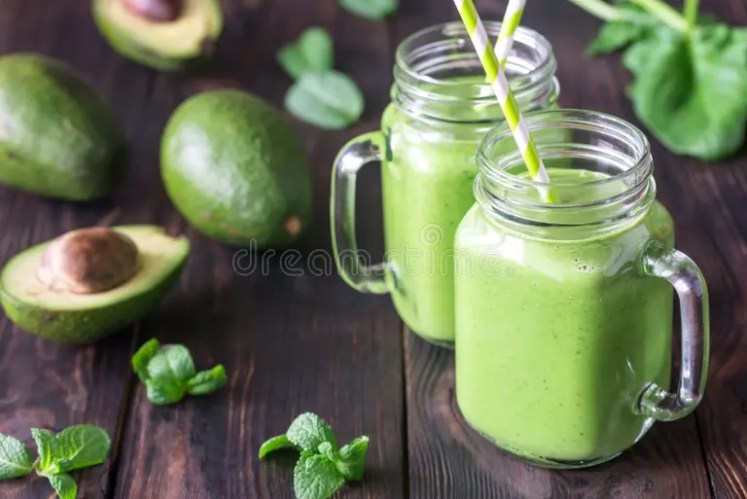
Avocado Nutrition: Why This Superfood is Essential


Sliced Avocado In A Serving Bowl

What Is An Avocado?

An avocado is a fruit that comes from the avocado tree, native to Central and South America. It’s known for its creamy texture and rich, nutty flavor. Some avocados have a green leather-like rough skin , while others are smooth. Once the peel is removed, the inside texture is a creamy pale green with a large center pit.

Avocados are considered a superfood since they are nutrient-dense. They contain 20 vitamins, minerals, fiber and phytonutrients. An avocado provides a quick, healthy snack.

What Is The Nutritional Value of Avocados?

  • High in monounsaturated fats, particularly oleic acid (heart-healthy).
  • Rich in fiber, potassium, and vitamins like K, E, C, and several B vitamins.
  • Low in sugar compared to most fruits.
  • Low Glycemic Index rating of 10.

What Are the Health Benefits of Avocados?

Heart Health

  • Monounsaturated fats, especially oleic acid, can help lower bad LDL cholesterol while raising good HDL cholesterol.
  • Potassium helps regulate blood pressure and supports cardiovascular health.
  • Beta-sitosterol, a plant sterol, may help maintain healthy cholesterol levels.

Brain and Nervous System Support

  • Healthy fats are essential for brain function and may improve cognitive health.
  • High in folate (vitamin B9), which supports brain development and mental health.

Anti-Inflammatory Effects

  • Rich in antioxidants like vitamin E, vitamin C, lutein, and zeaxanthin, which help fight inflammation and oxidative stress.
  • Oleic acid also has anti-inflammatory properties.

Digestive Health

  • High in fiber (~7 grams per half avocado) helps promote regular bowel movements and a healthy gut microbiome.
  • Soluble fiber also supports blood sugar control and satiety.

Eye Health

  • Avocados contain lutein and zeaxanthin, two antioxidants that concentrate in the eyes and help reduce the risk of macular degeneration and cataracts.

Blood Sugar Regulation

  • Low in carbs and sugar, high in fiber and healthy fats, which helps stabilize blood sugar and improve insulin sensitivity.

Skin and Hair Health

  • Rich in vitamin E and C, which support collagen production and skin repair.
  • Healthy fats help keep skin hydrated and supple.

How Are Avocados Used In Recipes?

  • Guacamole mashed with lime, salt, onions, and other ingredients.
  • Sliced or mashed on toast, salads, and sandwiches.
  • Used in smoothies, sushi, salads, soups, mayonnaise substitute, dips, and desserts.

Empowering Older Women Through Strength Training


Here Are Some Key Insights

  • Muscle loss begins around age 35. Women tend to reach critical levels of strength loss earlier than men due to lower peak muscle mass.
  • Strength training can reverse or slow declines in bone density, muscle mass, and metabolic health. Benefits that cardio alone can’t match.
  • Despite these benefits, adherence is a major challenge. Many women don’t stick with programs long enough to see results, or they don’t know how to modify workouts safely for their age or fitness level.
  • For women who were less active earlier in life, starting strength training later is still incredibly beneficial, though it may require more personalized guidance.

Information Source: Now.tufts.edu, Flippingfifty.com, and Girlsgonestrong.com

Easy Cilantro Jalapeno Hummus in Minutes


Cilantro Jalapeno Hummus

Cilantro Jalapeno Hummus Recipe

INGREDIENTS

  • 1 (15 ounce) can garbanzo beans, drained
  • 1 cup fresh cilantro, or to taste
  • 1 jalapeno pepper, stemmed and diced – or to taste
  • 2 cloves garlic, diced
  • 1 tablespoon olive oil, or as needed
  • salt and ground black pepper to taste
  • 1 pinch garlic powder, or to taste

DIRECTIONS

  • Blend garbanzo beans, cilantro, jalapeno pepper, garlic, olive oil, salt, black pepper and garlic powder in a blender.
  • Blend until smooth.
  • Serve

Recipe Source: AllRecipes.com