Quick Tip: How To Buy A Bicycle

Getting on a bicycle is a fun way to get exercise, rather than riding a stationary bike at the gym.
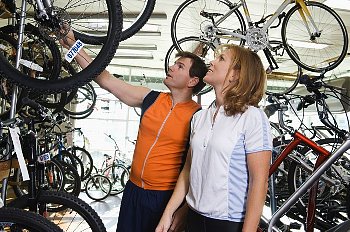
Riding a bike improves heart health, burns calories, and gives your legs a good workout.

A bike will take you to work, help you do errands, bring home groceries, tour new places on your vacation, while improving your health.

Bicycles are designed to be used on different terrain, and for different purposes.  Buying a bicycle doesn’t have to be confusing, if you do your research.

BICYCLE TYPES

Road Bike – lightweight, designed for speed.

Touring Bike – good for long distance. Stronger than road bikes. Good for carrying cargo.

Mountain Bike – wide tires.  Good for rugged terrain. Comfortable.  Not as fast as road bikes.

Cruisers – good for everyday use.

Recumbent: your body is in a comfortable, reclining position so that your weight is distributed on your glutes and back.

Electric Bike: powered by an electric motor, making pedaling easier.  Good for commuters.

Folding Bike –  bike-lovers can take this model with them on vacation.  A  good choice if you lack storage space.

Tandem Bike – an extended frame allows two people to ride one bicycle.  Good for families who enjoy touring.

Cargo Bicycle – sturdy frames, wide tires, heavy-duty racks for carrying cargo such as groceries, sports equipment, or boxes.

BUYING TIPS

  • Rent before you buy.  Renting a bicycle gives you the opportunity to test drive, prior to making a purchase.
  • Buy a used bike.
  • Do online research.  Decide on the type of bicycle you need, and then do a google search to learn more.  Amazon.com sells all types of bicycles.  Check out that site as well.  Choosing The Right Bicycle, is a handy article from about.com.

HOW MUCH SHOULD YOU PAY?

Like everything else, you get what you pay for.  Your safety is very important when riding, after all you’ll be out in traffic.  Buy a bike that won’t fall apart, or let you down.

Copyright 2013 Irene Pastore and Blue Moon Personal Training

Quick Tip: How To Stay Active With A Disability

Whether you have a mobility, hearing or visually impairment, you need to get regular physical activity.

Leading an active lifestyle strengthens your heart, builds strong muscles and bones, improves coördination, relieves stress, improves your mood, reduces fatigue, and raises your self-esteem.

How To Begin

Aerobic Exercise

Aim for 20-30 minutes daily of moderate aerobic exercise, such as brisk walking, water exercise, dancing, stationary bike, raking leaves, seated rowing machine, or chair aerobics.

Strengthening exercisee

Do strengthening activities 2 days per week, such as lifting and pulling weights, elastic bands, or bodyweight exercises such as push-ups, squats, or wall push-aways.

Do’s and Don’ts

  • Get guidance from your doctor.
  • Don’t be in a hurry.  Getting stronger and more flexible takes time.
  • Don’t compare yourself to others.  Do exercises according to your ability and what you enjoy.
  • Join a support organization according to your disability.
  • Don’t give up.

Exercise Support Organizations For Disabled Persons

Copyright 2013 Irene Pastore and Blue Moon Personal Training.

Expert Recommends Soda Pop To Clean Toilet

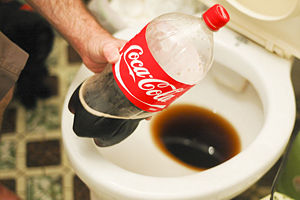
COKE AS A TOILET CLEANER

(A 15 second commercial appears before this segment begins).

Here’s a clip from a household cleaning expert on AOL News.  He recommends using Coca Cola to clean toilets.  If Coca Cola is that effective cleaning the bowl, then is it safe to drink?

EMPTY CALORIES

Wholistic health advocate, Dr. Joseph Mercola doesn’t recommend drinking soda pop because it contains high amounts of sugar, calories, harmful additives, and has no nutritional value.

According to U.S. News, a recent study by Harvard University concluded that every year, there are 180,000 preventable deaths worldwide due to the consumption of soda and other sugar-sweetened drinks.

SIDE EFFECTS AND SUGAR FREE DRINKS

Thinking of replacing regular soda pop with a diet drink?  You’d better read the label to find out what type of artificial sweetener is in your drink.  Aspartame is a chemical sweetener found in soda pop.  It’s sold under the brand name Equal, and NutraSweet.

According to Dr. Mercola, there are over 92 different health side effects associated with ingesting aspartame.  Read more about The Real Dangers of Soda To You And Your Children on his website.

Soda consumption is associated with pancreatic cancer, diabetes, and heart disease.

Copyright 2013 Irene Pastore and Blue Moon Personal Training
Mu Mu Meusli: No Added Sugar

Shopping in Whole Foods Market last week, I came across a vendor offering free samples of  home-made Mu Mu Meusli.  This product is made without added sugar, in upstate Sharon Springs, New York.

There are 8 ingredients, and it tastes great. It’s made with oats,  cranberries, wheat flakes, coconut, raisins, dates, flax, and almonds.

Mu Mu Meusli is sold online, and in health food stores, including several in New York City.  If you’re a meusli fan, and prefer avoiding added sugar in your breakfast cereal, check it out.

Meusli cereal originated around 1900 in Switzerland, by a doctor who wanted to offer his patients a healthy diet.

While there are variations, basic  ingredients are rolled oats, dried fruits, nuts and seeds.

Other varieties of meusli  may contain wheat or rye flakes, honey, spices, such as cinnamon, or chocolate. Yogurt, fruit juice or fresh fruit, and nut milks may be added to meusli.

Meusli provides a nutritious, quick breakfast, or a healthy snack.

Copyright 2013 Irene Pastore and Blue Moon Personal Training

Weight Loss Motivation


Americans Are Over Fed

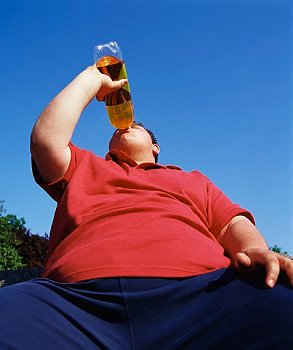
If you’re a typical American, you don’t have a problem with starvation.  You have problem with eating too much, and overdosing on calories.

Before you know it, you don’t want to look in the mirror.  Just buy another XXL tee shirt and baggy pants, to cover up the excess fat.

Excess Fat Is A Walking Time Bomb

You know that the excess fat is making you into a walking time bomb for heart disease, diabetes, cancer, low backache, hip, knee and lumbar dysfunction.

There are hundreds of people like you who don’t want to carry around excess fat, but don’t know how to start losing unwanted pounds, or just can’t find the motivation to get started.

Hundreds Of People Have Lost Weight

When you click on this link, it will take you to a website where you can read hundreds of weight loss success stories from real people, like yourself.  All the stories are different.

Breaking Points

On this list are typical reasons people begin a weight loss program in earnest.  Read through the breaking points, to help yourself find the motivation to drop excess fat.

  • Tired all the time.  No energy to care for children.
  • At 24, my doctor told me I had liver disease, and that I’d need a liver transplant.
  • At 30 I was taking blood pressure medication, and dealing with alot of anxiety and stress.  I wanted to feel better, and was terrified of developing heart disease and diabetes.
  • At 54, I weighed 315 pounds, and sleeping 18 hours a day.
  • My business failed because of the way I looked.
  • I knew I was a high risk for diabetes.  I didn’t want it to happen to me.
  • I took full responsibility for weighing 500 pounds, and decided it was time to take it off.
  • After looking at photographs of myself, I decided to make changes in my weight.
  • I suffered from backaches, had problems walking up stairs, and reaching down to tie my shoe laces.
  • I got out-of-breath trying to reach down to put on my socks.  It was time for a change.
  • I weighed more than 475 pounds from compulsive eating at all-you-can-eat fast food restaurants, and no exercise.   I wanted to live to see my grandson grow up.
  • At 34 I weighed 433 pounds.  I took a pool exercise class with 60 year-old women, and couldn’t keep up.  I could barely move.  I was considering using a mobility chair.
  • I was obese when I got married, and was embarrassed by the photographs.
  • I was inspired by co-workers who lost weight.
  • Photographs of myself made me cringe.
  • In the Christmas party photos, I looked like I had 15 chins.
  • I was made fun of in high school because of my obesity.

Get Motivated

Read about 382 Weight Loss Storiesand get inspired.

Copyright 2013 Irene Pastore and Blue Moon Personal Training

Stuffing Your Feet Into Sky High Shoes

My grandma’s sister was a fashion maven, who admitted that she disfigured her feet by wearing high heels.  When I was old enough to notice, I asked her why her feet came to a point, her big toe lay on top of her second toe, and why she walked funny.  She said her feet were messed up and ugly, from squeezing them into tight fitting high heels.

BUNIONS IN PROGRESS

She made me promise I wouldn’t wear bad shoes, unless I wanted my feet to look just like hers.

The Cruel Shoes

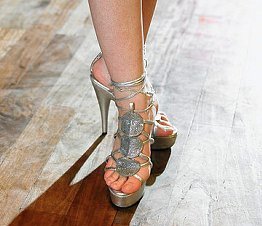
Fashion heels don’t have much to do with common sense.  Steve Martin’s, “The Cruel Shoes,” is the story of Anna, who visits a shoe store, and gladly buys a pair of foot nightmares, that make her feet bleed.  The premise isn’t really exaggerated.  Most women buy heels based on emotional appeal, rather than foot health.

The Worst Shoes For Your Feet

While it may not overcome the powerful effects of advertising, WebMD, has a slide show to educate women. It’s called, “The Worst Shoes For Your Feet.”  Incase you’re considering reconstructing your shoe wardrobe, here’s some inspiration to help you downsize the height of your heels.

High Heel Health Conditions & Injuries

  • Hammer toes
  • Corns
  • Ingrown toenails
  • Driving accidents
  • Calluses
  • Low back pain
  • Numbness
  • Achilles tendon damage (Morton’s Neuroma)
  • Bunions
  • Pump Bump (enlargement of the heel bone)
  • Sciatica
  • Blisters
  • Ankle injury
  • Leg pain
  • Osteoarthritis of the knee
  • Trip and fall accidents

The Armadillo Shoe

While I’m at it, I may as well comment on the Armadillo Shoe, because things like this have a way of influencing street wear.  The late fashion designer, Alexander McQueen, came up with a risky 10 inch runway shoe, called the Armadillo.  Some models refused to wear them.

THE ARMADILLO SHOE

The phrase, “to die for”, would be apt, when wearing shoes like this, or a facsimile.  Toppling over, and hitting your head isn’t too far fetched. Fanciful shoes are the realm of art, rather than practical footwear.

Be kind to your feet.  They affect the way you walk, and feel.  Fashion shoes are beautiful in the box, but aren’t doing your two feet any favors.  Corns, bunions, hammertoes, and ingrown toe nails aren’t lovely to look at. Healthy feet won’t embarrass you, when removing your shoes.  You’ll never have to apologize for your corns.

Copyright 2013 Irene Pastore, and Blue Moon Personal Training.