Kayak Fatalities

Killing Yourself In a Kayak Isn’t Difficult

I had planned to write a post on the subject of kayak sporting accidents.  In researching the net for information, I found a thorough, well written article on Squidoo, titled, “How To Kill Yourself In A Kayak.” Just click on the link to get there.  I couldn’t have done a better job. Based on recent news stories, the author chronicles deadly kayaking mistakes, due to poor judgement.
Nature Doesn’t Forgive

I’ve written posts on the increase in hiking fatalities, and sports injuries.  The wilderness doesn’t forgive ignorance.   Before setting out, you must know about weather conditions, what to bring with you, what to wear,  local wildlife, and what to do during emergencies.  You have to be fit enough to handle your kayak, or whatever your chosen sport might be.

Shannon Christy, 23 Dies In Overturned Kayak

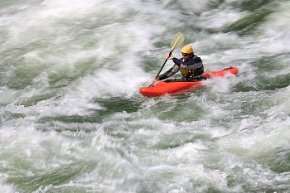
This is a sad story of a kayaker who died on the Potomac River in July 2013, when her kayak overturned, as she went down the rapids.  She became entrapped, and subsequently drowned.  ABC 7 covered the incident.

A Strong Core Means Better Paddling, Less Fatigue, Fewer Accidents

To take on sports, or recreational activities, you have to be fit.  In kayaking, you need a resilient core for effective paddling, as well as strong shoulders, and arms.  Your core stabilizes your spine and gives you the upper edge in your chosen sport, or recreational activity, because you’re able to produce more efficient force without hurting yourself.

When your core is weak, it makes other parts of your body take on roles they weren’t meant for. For example,  you might wind up with fatigue in your shoulders, or arms.  Worse yet, core weakness may result in overuse shoulder, and arm injuries associated with paddling.

An Excellent Core Exercise

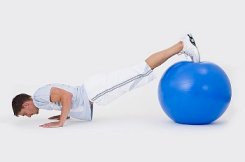
Planks are one of the best, and least complicated exercises to strengthen your core.  Planks are performed on an exercise mat from several positions.

Click the links for instructions on how to do each exercise.
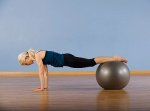
Abs on the ball   Downward Plank Abs On The Ball


  Pilates Upward Plank


Advanced side plank  Advanced Side Plank


Pilates For Kayakers CRISS CROSS

Click the link to read my post on specific Pilates exercises for kayakers.

Copyright 2014 Irene Pastore and TourDeCore.com
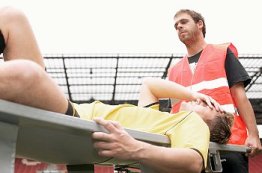
20 Sports With High Risk of Head Injuries

HIGH RISK SPORTS AND RECREATIONAL ACTIVITIES 

The American Association of Neurological Surgeons (www.aans.org), published an online article covering the statistics on brain injuries and sports. These statistics were compiled between 2008-2009 based on U.S. hospital emergency room visits.
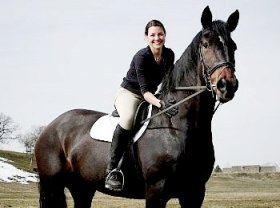
According to the Brain Injury Association of New York State (www.bianys.org), brain injuries cause more death than any other sports injury.

2009 Estimated head injuries in U.S. Hospital Emergency Rooms 

  • Cycling: 85,389
  • Football: 46,948
  • Baseball and Softball: 38,394
  • Basketball: 34,692
  • Water Sports (Diving, Scuba Diving, Surfing, Swimming, Water Polo,   Water Skiing, Water Tubing): 28,716
  • Powered Recreational Vehicles (ATVs, Dune Buggies, Go-Carts, Mini bikes, Off-road): 26,606
  • Soccer: 24,184
  • Skateboards/Scooters: 23,114
  • Fitness/Exercise/Health Club: 18,012
  • Winter Sports (Skiing, Sledding, Snowboarding, Snowmobiling): 16,948
  • Horseback Riding: 14,466
  • Gymnastics/Dance/Cheerleading: 10,223
  • Golf: 10,035
  • Hockey: 8,145
  • Other Ball Sports and Balls, Unspecified: 6,883
  • Trampolines: 5,919
  • Rugby/Lacrosse: 5,794
  • Roller and Inline Skating: 3,320
  • Ice Skating: 4,608

Copyright 2014 Irene Pastore and TourDeCore.com

Back Care for Equestrians

THE EQUESTRIAN AND BACK PAIN

Riding is a strenuous sport that requires the equestrian to maintain a neutral spine, while sitting in the English or Western saddle.

The saddle, is literally a backless chair, offering no support for the spine.  The rider must generate support using strong core muscles.

Little needs to be said about the debilitating effects of back pain for equestrians.  No one wants to, or should ride, when in pain.  The more uncomfortable you are, the less you’ll be able to enjoy being with your horse. He’ll miss you too.

Learning what causes back pain, and taking preventive measures, will bring many happy riding years.  The easiest, and most cost-effective solution, is exercise.

PREVENTION THROUGH CORE TRAINING EXERCISE

Regular exercise is highly recommended for prevention of back pain, and maintaining a healthy back.

Pilates and Yoga keeps riders both strong and flexible. Pilates strengthens your back and abs, Yoga stretches critical areas important for riding, as well as developing tranquility.

Fitness-derived core exercises are an excellent method to strengthen and stretch muscles that are vital for riders.

COMMON CAUSES OF BACK PAIN

  • Muscle spasm
  • Awkward twisting, or bending motions
  • Incorrect lifting a heavy object
  • Spinal trauma
  • Bending down and abrupt turning around
  • Muscle imbalance
  • Coughing or sneezing
  • Prolonged sitting
  • Sports injuries
  • Aging
  • Overweight and obesity
  • Poor sitting or standing posture
  • Arthritis

FACTS ABOUT BACK PAIN

  • Back Pain is one of the most common causes of doctor’s visits in the United States
  • Back Pain affects most people at least once during their lifetime.
  • Untreated back pain can make daily activities difficult or impossible.
  • Back pain affects about 60 to 80 percent of American adults,
  • More than 26 million Americans between the ages of 20-64 experience frequent back pain.
  • Back pain is one of the most common reasons for missed work.
  • Low back pain is the single leading cause of disability worldwide.
  • Americans spend at least $50 billion yearly on back pain.

From the American Chiropractic Association and The American Academy of Pain Medicine

STANDARD MEDICAL SOLUTIONS

  • Over-the counter pain relievers
  • Hot or cold packs
  • Exercise
  • Medication
  • Physical therapy
  • Complementary or alternative treatments
  • Injections
  • Surgery

Copyright 2014 Irene Pastore and Tour De Core Personal Training

Ten Reasons To Strengthen Your Core

What does the core do? Why is it so important?
A strong core stabilizes, and protects your spine. Professional, and recreational athletes with weak core muscles don’t perform optimally, and are more susceptible to injury.

People with physically demanding jobs that require lifting, moving, pushing or pulling, depend on a strong core to stabilize and protect their spine from eventual dysfunction, and subsequent injury, or chronic back pain.  Over 80 percent of all Americans have had, or will have, at least one episode of low back pain during their lifetime.

Where is the core located?
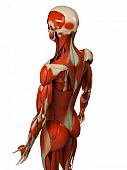
The human torso is where the core muscles and bones are found, right between your shoulders and hips.

The Core Region Covers Half Your Body 
The core region contains muscles and bones.  If you map it out, you’ll find your core muscles, on your abdomen, low back, pelvis and hips.  Core bones consist of your spinal column, pelvis and hip joints.

Ten Good Reasons To Strengthen Your Core

  1. To save a trip to the emergency room.
  2. To save time, and money on doctor’s fees, rehab, or surgery.
  3. To avoid chronic low back pain.
  4. To prevent, or rehabilitate an injury.
  5. To improve your ability to generate force and movement during sports.
  6. To avoid on-the-job injury.
  7. To acquire more efficient movement, spinal flexibility and strength.
  8. To improve balance.
  9. To improve physical fitness.
  10. To prevent an overuse injury.

Copyright 2014 Irene Pastore and Tour De Core Personal Training

Prenatal Pilates for Low Back Pain

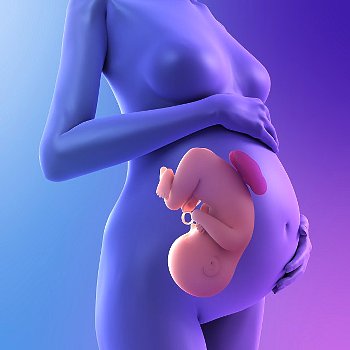
Your spine is shaped like the letter S, forming  four normal curves.  The low back portion curves inward.  As your uterus grows bigger, the inward curve becomes more pronounced, causing more strain on your low back.

One of the most common complaints during pregnancy is low back pain.

Classical Pilates exercises are performed while lying on your back, abdomen, or side. Prone positions are uncomfortable for pregnant women, and back lying shouldn’t be done after the fourth month. Side and standing Pilates are safer alternatives.

THE STANDING PELVIC TILT

The Standing Pelvic Tilt is an excellent Pilates exercise to help relieve low back pain.  It’s easy and safe, for most pregnant women.

  1. Stand with your back, shoulders and head against a wall.
  2. Bend knees slightly, arms at your sides.
  3. Slowly press lower back against the wall.  Hold for 10 to 20 seconds.  Do 8 to 10 rounds.

The Standing Pelvic Tilt can be done throughout the day to stretch low back muscles.

Copyright 2013 Irene Pastore, and Blue Moon Personal Training