
Exercise Motivation
April 25, 2025

Hello! I am a Personal Trainer, Yoga and Pilates Instructor who specializes in fitness after 50. My service is Live Streaming. Connect with me from anywhere in the world. I look forward to helping you achieve your health and fitness goals.

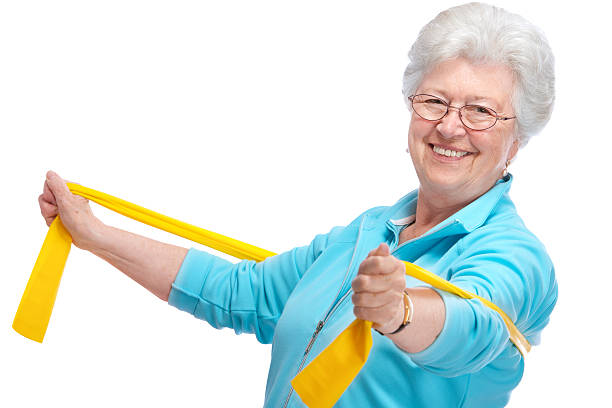
This is completely false. Age does not play a role in your ability to exercise. Research on healthy aging shows that exercise for aging adults is not only safe but beneficial. People can safely begin to exercise in their 70s, 80s, and beyond. It’s never too late to get started, and it does not matter if you’ve never exercised before.
No matter what your current age or fitness level, your body benefits from exercise. In fact, exercise is such an important part of healthy aging that the World Health Organization (WHO) recommends 150-300 minutes of physical activity each week for all ages, stretching its former recommendation of 150 minutes per week. However, any amount of exercise is beneficial, from formal exercise to “exercise snacks”—just moving around a little whenever you can.
Source: Psychology Today 5/20/21
“From the highest mountains to the deepest rivers, this blockbuster series takes you on an unforgettable journey through the daily struggle for survival in Earth’s most extreme habitats. Planet Earth takes you to places you have never seen before, to experience sights you may never experience anywhere else”.

INGREDIENTS
INSTRUCTIONS
Recipe Source: AllRecipes.com


Butternut Squash is commonly used as a vegetable. Botanically it’s actually a fruit. The skin is tan to yellow with an bright orange fleshy pulp that contains seeds. Butternut Squash a carbohydrate food. It is related to pumpkin, zucchini and calabaza squash.
Butternut Squash has a low glycemic index of 51. It is also low in calories measuring out at 80 calories in one cup. Eating low glycemic helps you manage blood sugar and weight. It is rich in vitamins, minerals and disease-fighting antioxidants.

” Some 15 million older adults — people over the age of 51 — are obese. This represents nearly one in four older adults. While obesity itself is not a chronic condition, it is a risk factor for many chronic conditions, including four of the ten leading causes of death in the U.S. — coronary heart disease, type II diabetes, stroke and several forms of cancer.”
Source: Georgetown University Health Policy Institute
Read the full report here: Obesity Among Older Americans
 Irene Pastore Fitness.com