Nutritional Value of Tomatoes: What You Need to Know


Tomatoes

What Are Tomatoes?

Botanically, tomatoes are classified as a fruit since they contain seeds and grow from flowers. In cooking, tomatoes are treated as a vegetable. Tomatoes grow on vines and are native to South America. They were domesticated in Mexico.

What Are The Health Benefits of Eating Tomatoes?

Tomatoes are loaded with health supporting vitamins and nutrients. Here is a list of the benefits you get when including tomatoes in your diet.

  • Cancer Prevention: Lycopene and beta-carotene may reduce the risk of prostate, lung, and stomach cancers.
  • Eye Protection: Lutein and zeaxanthin help shield eyes from blue light and reduce macular degeneration risk.
  • Skin Defense: Lycopene may offer mild protection against UV damage from the inside out.
  • Anti-Inflammatory: Vitamin C and other antioxidants help reduce inflammation and support immune function.
  • Cognitive Support: Carotenoids in tomatoes may help protect against dementia and cognitive decline.

What Are The Nutritional Benefits of Tomatoes?

Tomatoes are considered a low glycemic food, with a low index of 30. They are also very low in calories. A medium tomato contains about 32 calories.

  • Vitamins: A, E, B6, B3 Niacin, B1 Thiamine, B2 Riboflavin, B9 Folate, C, K1, and Choline.
  • Minerals: Potassium, Copper, Manganese, Magnesium, Phosphorus, Iron, Zinc, Calcium and Sodium.
  • Antioxidants: Lycopene, Beta-carotene, Naringenin, Chlorogenic Acid, Lutein and Zeaxanthin.

Methods of Preparing and Eating Tomatoes

Eaten raw or cooked, tomatoes are a versatile ingredient in your meal planning.

  • Sliced in salads with mozzarella and basil.
  • Tomato sandwiches with a sprinkle of salt and olive oil.
  • Salsa or pico de gallo for a zesty kick.
  • Cooked
  • Roasted or grilled for a smoky flavor.
  • Tomato sauces for pasta or pizza.
  • Soups like gazpacho or creamy tomato bisque.
  • Preserved
  • Sun-dried
  • Canned or stewed for year-round use.
  • Stuffed with grains, herbs or cheese.
  • Tomato paste or purée as a cooking base.

Delicious No Bake Sugar Free Strawberry Cheesecake Recipe


Strawberry Cheesecake

Strawberry Cheesecake With Graham Cracker Crust


No Bake Sugar Free Strawberry Cheesecake Recipe

INGREDIENTS

  • ¾ cup graham cracker crumbs
  • 3 tablespoons butter, melted
  • ¼ teaspoon ground cinnamon
  • ¼ teaspoon ground nutmeg
  • 1 (8 ounce) package cream cheese, softened
  • 1 ½ cups milk
  • 1 (1 ounce) package cheesecake flavor sugar-free instant pudding mix
  • 2 pints fresh strawberries, sliced

DIRECTIONS

  • Gather all ingredients.
  • Combine graham cracker crumbs, melted butter, cinnamon, and nutmeg in a bowl.
  • Press the mixture into an 8-inch pie dish; refrigerate while making the filling.
  • Beat cream cheese in a mixing bowl with an electric mixer on medium speed until softened.
  • Reduce speed to slow; gradually beat in milk (the mixture will be watery).
  • Use a rubber spatula to scrape cream cheese from the sides of the bowl, if necessary. Beat in pudding mix until the filling is thick and smooth.
  • Spoon 1/2 of the cream cheese filling onto the bottom of prepared crust. Spread 1/2 of the strawberries over the filling; repeat with remaining filling and strawberries.
  • Chill pie in refrigerator until filling is set, at least 1 hour.

Recipe Source: AllRecipes.com

Health Benefits of Strawberries You Need to Know


Fresh Strawberries

Fresh Strawberries


What Are Strawberries?

A strawberry is a small, heart-shaped fruit known for its vibrant red color, juicy texture, and sweet-tart flavor. It’s covered in tiny seed-like specks called achenes, which are actually the fruit’s true seeds. Strawberries are beloved for their aroma and are enjoyed fresh, cooked, or preserved in countless dishes.

Strawberries are considered a superfood due to their abundant nutrient profile. They’re packed with vitamin C, fiber, and antioxidants like anthocyanins and ellagic acid, which help fight inflammation, support heart health, and may even reduce the risk of chronic diseases like cancer and diabetes.

What makes them especially “super” is that they deliver all these benefits while being low in calories and sugar, making them a smart choice for nearly any diet. They have a low Glycemic Index of 40.

What Are the Health Benefits of Strawberries?

Strawberries are a nutritional powerhouse with a wide range of benefits:

  • Heart Health: Rich in anthocyanins and potassium, which help lower blood pressure and cholesterol.
  • Immune Support: One cup provides more than 100% of your daily vitamin C needs.
  • Anti-inflammatory: High in antioxidants like ellagic acid and flavonoids that reduce inflammation and oxidative stress.
  • Brain Function: May help slow cognitive decline and reduce risk of Alzheimer’s.
  • Blood Sugar Control: Low glycemic index and high fiber content help regulate glucose levels.

Nutrients and Antioxidants In Strawberries

N U T R I E N TB E N E F I T
Vitamin CImmune health, skin repair, antioxidant
ManganeseBone health, metabolism support
Folate (B9)Cell growth, especially important in pregnancy
PotassiumBlood pressure regulation
FiberDigestive health, satiety
AnthocyaninsHeart health, anti-aging
Ellagic AcidAnti-cancer, anti-inflammatory
ProcyanidinsVascular health, antioxidant

How To Use Strawberries In Cooking

Strawberries are incredibly versatile! Here are some delicious ways to enjoy them.

  • Fresh: Toss into salads, yogurt, or cereal.
  • Baked: Use in cakes, muffins, cobblers, and pies (like strawberry shortcake or bundt cake).
  • Frozen: Blend into smoothies or daiquiris.
  • Sauces & Jams: Make compotes, syrups, or classic strawberry jam.
  • Savory Pairings: Combine with balsamic vinegar, goat cheese, or avocado in salads.
  • Breakfast: Add to pancakes, French toast bakes, or oatmeal.

Avocado Nutrition: Why This Superfood is Essential


Sliced Avocado In A Serving Bowl

What Is An Avocado?

An avocado is a fruit that comes from the avocado tree, native to Central and South America. It’s known for its creamy texture and rich, nutty flavor. Some avocados have a green leather-like rough skin , while others are smooth. Once the peel is removed, the inside texture is a creamy pale green with a large center pit.

Avocados are considered a superfood since they are nutrient-dense. They contain 20 vitamins, minerals, fiber and phytonutrients. An avocado provides a quick, healthy snack.

What Is The Nutritional Value of Avocados?

  • High in monounsaturated fats, particularly oleic acid (heart-healthy).
  • Rich in fiber, potassium, and vitamins like K, E, C, and several B vitamins.
  • Low in sugar compared to most fruits.
  • Low Glycemic Index rating of 10.

What Are the Health Benefits of Avocados?

Heart Health

  • Monounsaturated fats, especially oleic acid, can help lower bad LDL cholesterol while raising good HDL cholesterol.
  • Potassium helps regulate blood pressure and supports cardiovascular health.
  • Beta-sitosterol, a plant sterol, may help maintain healthy cholesterol levels.

Brain and Nervous System Support

  • Healthy fats are essential for brain function and may improve cognitive health.
  • High in folate (vitamin B9), which supports brain development and mental health.

Anti-Inflammatory Effects

  • Rich in antioxidants like vitamin E, vitamin C, lutein, and zeaxanthin, which help fight inflammation and oxidative stress.
  • Oleic acid also has anti-inflammatory properties.

Digestive Health

  • High in fiber (~7 grams per half avocado) helps promote regular bowel movements and a healthy gut microbiome.
  • Soluble fiber also supports blood sugar control and satiety.

Eye Health

  • Avocados contain lutein and zeaxanthin, two antioxidants that concentrate in the eyes and help reduce the risk of macular degeneration and cataracts.

Blood Sugar Regulation

  • Low in carbs and sugar, high in fiber and healthy fats, which helps stabilize blood sugar and improve insulin sensitivity.

Skin and Hair Health

  • Rich in vitamin E and C, which support collagen production and skin repair.
  • Healthy fats help keep skin hydrated and supple.

How Are Avocados Used In Recipes?

  • Guacamole mashed with lime, salt, onions, and other ingredients.
  • Sliced or mashed on toast, salads, and sandwiches.
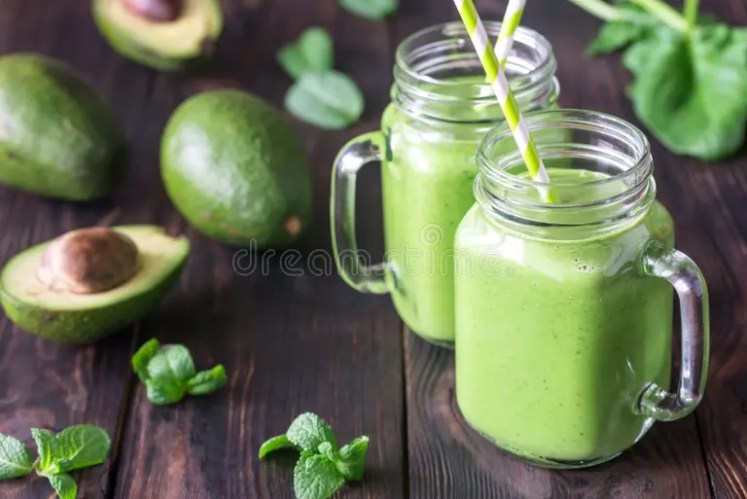
  • Used in smoothies, sushi, salads, soups, mayonnaise substitute, dips, and desserts.