Exploring the Healthy Aging Benefits of Plantains


Yellow Plantains

What Are Plantains?

Plantains are a tropical fruit that look like large bananas. There are several differences between the two. Plantains are starchier and less sweet, and they are usually eaten cooked, rather than raw. Plantains are a staple food in many tropical regions and can be fried, baked, or boiled, much like a potato.

What Are The Nutritional Benefits That Support Healthy Aging?

Plantains have several benefits that support healthy aging.

  • Fiber: Helps maintain healthy digestion, supports gut health, and can help regulate blood sugar and cholesterol levels.
  • Potassium: Supports heart health, helps manage blood pressure, and maintains proper muscle and nerve function.
  • Vitamin C : An antioxidant that helps protect cells from damage, supports immune function, and aids collagen production for skin and joint health.
  • Vitamin B6: Important for brain health, mood regulation, and forming red blood cells.
  • Complex carbohydrates: Provide steady energy without sharp blood sugar spikes, especially when plantains are cooked in a healthy way.
  • Magnesium: Supports bone health, muscle function, and energy metabolism.
  • Antioxidants: Help reduce inflammation and protect against age-related cell damage.

How To Prepare Plantains

Plantains taste different depending on whether they’re green, yellow, or black. Green plantains are not ripe and have a starchy texture. Yellow indicates more ripeness and are mildly sweet. When plantains turn black they’ve reached their peak ripeness and are very sweet.

Here’s a general list of common ways plantains are prepared.

  • Boiled: Peeled, cut into chunks, and boiled until soft. Often served as a side dish.
  • Fried (ripe or green): Sliced and pan-fried or deep-fried. Ripe plantains turn golden and sweet, green ones stay savory and starchy.
  • Baked or roasted: Whole or sliced plantains cooked in the oven for a healthier, less oily option.
  • Mashed: Cooked plantains mashed into a smooth or chunky texture, sometimes with butter, garlic, or herbs.
  • Chips: Thinly sliced green plantains fried or baked for a crispy snack.
  • Grilled: Sliced lengthwise and grilled, giving them a smoky-sweet flavor.
  • Stewed: Added to soups, stews, or curries for extra heartiness.

Plantain Ripeness Guide

Plantain Ripeness Guide

How to Improve Floor Mobility and Boost Longevity—Starting Today


The Sit and Rise Test – A Powerful Predictor of Longevity

Yesterday, we introduced the Sit and Rise Test, a powerful predictor of longevity. But what if you struggled with the test , or couldn’t do it at all?

The good news? You can train for floor mobility, even in your 50s, 60s, and beyond. The key is building strength, balance, and flexibility through functional movements you can practice daily.

Why This Matters For Pre-Retirees

  • Prevents loss of independence.
  • Reduces the risk of falls and injuries.
  • Builds confidence for staying active in later years.

Basic Mobility Home Exercises

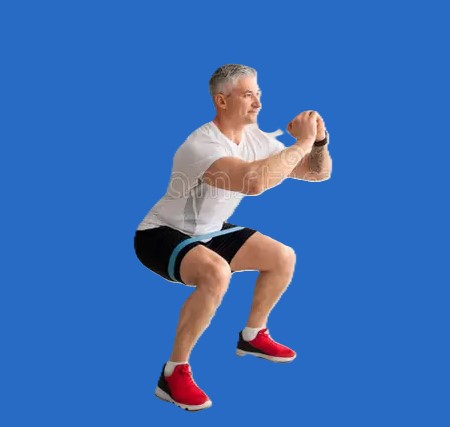
Squat Exercise Using Support

Supported Squat

Bridge Exercise

Bridge

Middle Aged Woman Practicing A Squat Exercise from A Chair

Chair Squat To Stand

Supported Squat

  • Build thigh, glute, and leg strength.
  • Start in a standing position.
  • Hold onto a sturdy object.
  • Slowly lower to a mid squat.
  • Slowly return to standing position.
  • Repeat 3 to 5 repetitions or to tolerance.

Bridges

  • Use an exercise mat.
  • Build thigh, glute, and leg strength.
  • Lie on your back with feet hip width apart.
  • Arms at your sides. Palms down.
  • Slowly lift your back off the mat until knees are higher than shoulders.
  • Slowly lower your back to the start position.
  • Repeat 3 to 5 repetitions or to tolerance.

Chair Squat To Stand

  • Use a sturdy chair that won’t move during exercise.
  • Build thigh, glute, and leg strength.
  • Sit down in the chair with arms in front of you.
  • Slowy get up from the chair with arms in front of you.
  • Slowly sit down in the chair with arms in front of you.
  • Repeat 3 to 5 repetitions or to tolerance.

Quick Tip

Start small. Even doing just 5 to 10 minutes a day can make a real difference over time, especially for pre-retirees aiming to stay active and independent for the long haul.

Closing Thought

Don’t wait until you lose the ability to get off the floor. Train for it now. Your future self will thank you.


Aging Well Starts On The Floor: The Mobility Test That Predicts Longevity


What Is Floor Mobility?

Floor mobility is an essential skill for healthy aging. It is the ability to get up from the floor without assistance. Research shows that this ability is linked to longer life and better overall health.*

Why Floor Mobility Matters

  • It’s a powerful health predictor.
  • It keeps you independent.
  • It’s a sign of physical decline or strength.
  • It’s easier to maintain than regain.

Why It Works As A Predictor

The ability to sit and rise without assistance reflects a combination of the following.

  • Muscle strength
  • Joint mobility
  • Balance and coordination
  • Neuromuscular integration
  • Flexibility and core control

All of these functions are critical to daily function. They tend to decline with age if not actively maintained.

Quick At-Home Test

Use a padded floor or exercise mat. You can do this wearing sneakers or barefoot.

  1. Sit down on the floor without using your hands or leaning on anything.
  2. Now try to stand back up, without using your hands, knees, or nearby furniture.
  3. Subtract one point for each hand, arm, or knee used for support.
  4. Maximum score is 10.

If you don’t have the strength to attempt the mobility test, begin an exercise program as outlined below. Always check with your physician beforehand.

Tips To Improve Floor Mobility

  • Practice squats without equipment.
  • Strengthen your core and glutes with planks, bridges, and step-ups.
  • Improve balance with single-leg exercises.
  • Practice Yoga balance poses or Tai Chi .

*Study Title: Ability to sit and rise from the floor as a predictor of all-cause mortality
Published: December 2012
Journal: European Journal of Preventive Cardiology
Lead Author: Dr. Claudio Gil Araújo (Brazilian researcher and sports medicine specialist)

The Benefits of Mangoes for Health and Aging


Red Mango Whole and Sliced

What Are Mangoes?

A mango is a tropical fruit known for its sweet, juicy flesh and distinctive flavor. There are hundreds of varieties around the world, each having its own texture, flavor, size, color, and harvest season. Mangoes are nutrient-dense and offer significant health benefits. They are easy to add to your diet in lots of delicious ways.

What Is The Nutritional Profile of Mangoes?

  • Vitamin C, A (beta-carotene), E, K, B9 (Folate), B6
  • Minerals: Potassium, Magnesium, Copper, Calcium, Iron
  • Antioxidants: Beta-carotene, Lutein, Zeaxanthin, Mangiferin, Vitamin C

How Do Mangoes Benefit Anti-Aging?

  • Supports eye health: Mangoes contain vitamin A, lutein, and zeaxanthin—nutrients that protect the retina and reduce the risk of age-related macular degeneration (AMD) and cataracts.
  • May support brain function: Vitamin B6, vitamin C, and antioxidants in mangoes support cognitive function, neurotransmitter production, and protect against inflammation-related brain aging. Mangiferin has shown neuroprotective effects in early research.
  • Collagen production and skin health: Vitamin C in mangoes is essential for collagen synthesis, which helps maintain skin elasticity, firmness, and hydration.
  • Antioxidants also help reduce fine lines, wrinkles, and age spots by minimizing UV damage and oxidative stress.
  • Heart health support: Small amounts of vitamin K, magnesium, and vitamin C contribute to bone strength and reduce fracture risk as we age.
  • Vitamin K also supports calcium binding in bones, important for preventing osteoporosis.
  • Improves digestive health: Mangoes provide soluble and insoluble fiber, which helps maintain regular bowel movements and gut microbiome balance—both crucial for healthy aging. They also contain digestive enzymes (like amylases) that aid in carbohydrate breakdown, easing digestion as enzyme production naturally declines with age.
  • Anti-inflammatory: Chronic low-grade inflammation (“inflammaging”) is a key driver of age-related disease. Mangoes contain mangiferin, polyphenols, and vitamin C, which help reduce inflammation throughout the body.

How Many Ways Can You Eat Mangoes?

Mangoes can be eaten in many delicious ways: raw, cooked, blended, or dried. How they’re eaten often depends on the ripeness, variety, and cultural traditions. Here’s a complete look at how mangoes are eaten.

  • Fresh, raw and ripe
  • Smoothies and juices
  • Salads
  • Mango with sticky rice
  • Salsas and chutneys
  • Sorbet, puddings, cheesecake or parfaits
  • Dried mango trail mix

The Different Ways People Age


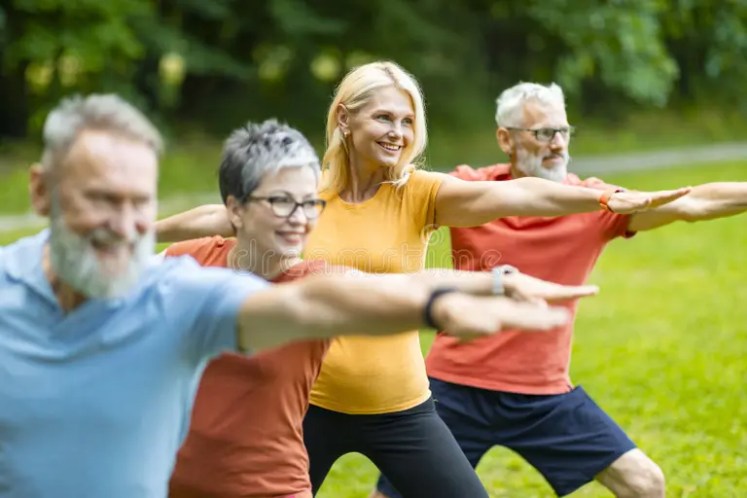
Group of older adults practicing Yoga outdoors.

The Different Ways People Age

Group of mature fit women.

Some age gracefully, embracing wrinkles and silver hair as badges of experience. Others fight the signs of aging with everything from skincare routines to surgery. Emotional aging varies too—some grow more patient and wise, while others become more set in their ways or anxious about change.

There’s no one-size-fits-all way to grow older. Ultimately, how we age is shaped by the lives we lead and the choices we make along the way.