
Happy Thanksgiving
November 25, 2024

Hello! I am a Personal Trainer, Yoga and Pilates Instructor who specializes in fitness after 50. My service is Live Streaming. Connect with me from anywhere in the world. I look forward to helping you achieve your health and fitness goals.
Mark Twain (1870-1910)

What Is Osteoporosis

Osteoporosis is a bone disease characterized by decreased bone mineral density and mass. As the disease progresses bones become weak and brittle leading to increased risk of fractures.
Symptoms of Osteoporosis

Osteoporosis is called the ‘silent disease’ since there are no symptoms until fractures start to occur. As the disease progresses symptoms may include back pain, loss of height, a stooped posture, and bone that breaks more easily than expected.
Dietary Prevention of Osteoporosis
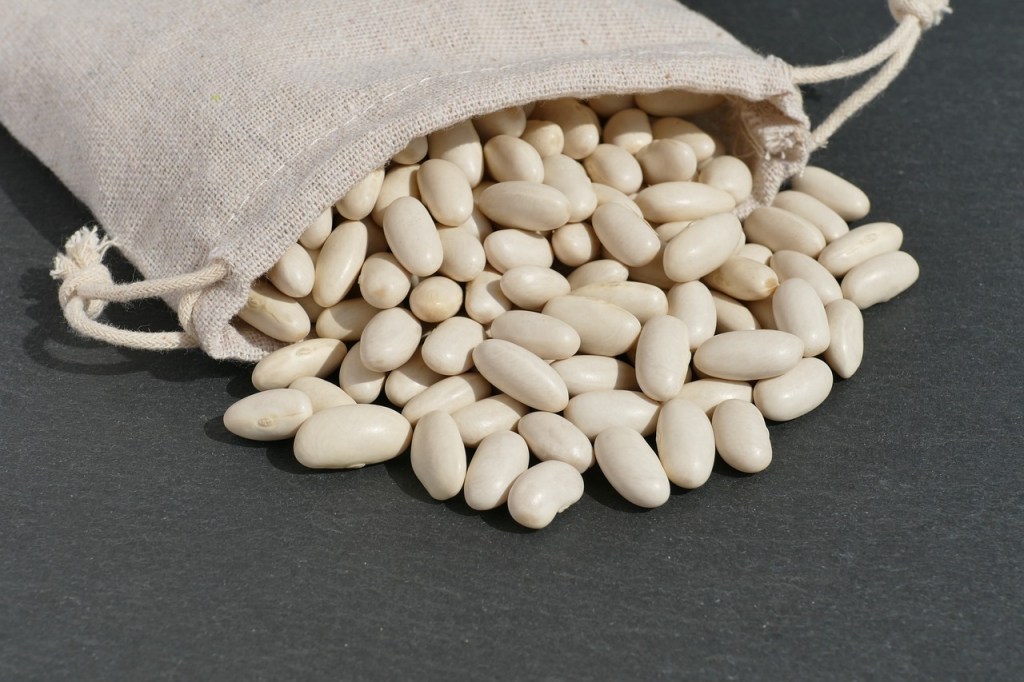
Build strong bones by eating a diet rich in calcium. 98 percent of bodily calcium is stored in your bones. Men and women between the ages of 18 and 50 need 1,000 milligrams of calcium a day. This daily amount increases to 1,200 milligrams when women turn 50 and men turn 70.
Sources of Dietary Calcium









Resistance Exercise is another way of referring to strength training, which is accomplished with or without equipment. Resistance exercise is a necessity for older adults who are planning to live independently.
One of the most common methods is using dumbbells or weighted machines. Yoga and Pilates are two mind/body modalities to accomplish strength goals.


Methotrexate is a prescription medication used to treat cancer, rheumatoid arthritis, and psoriasis. It can cause non threatening as well as life-threatening side effects. Contact your doctor when experiencing medication side effects.
Methotrexate has several brand names: Rheumatrex, Trexall, Xatmep, Jylamvo, Otrexup, and RediTrex.
Methotrexate Side Effects

Proper nourishment is crucial when engaging in regular physical activity. If you’re taking any of these prescription medications, consult your physician to adjust dosage or change medications. Or you may have to adjust your exercise routine.
Prescription Medications That Cause Loss of Appetite

 Irene Pastore Fitness.com